Contamination Control in Fluid Transfers: Best Practices for Laboratory Funnels
25 Sep, 2026
19 Views 0 Like(s)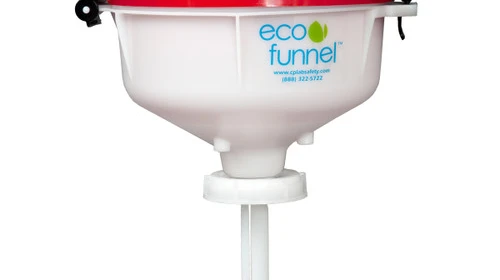
Treating laboratory funnels as critical contamination control points—rather than passive hardware—is a simple step toward protecting data reliability and sample purity.
In trace analytical chemistry, cell culture preparation, and quality assurance workflows, contamination rarely arrives with an alarm. It creeps into samples via shared glassware, airborne dust, and secondary transfer tools. Funnels are, by definition, contact surfaces: every drop of liquid or grain of powder passes across their entire inner face before reaching the storage or reaction vessel. Treating laboratory funnels as critical contamination control points—rather than passive hardware—is a simple step toward protecting data reliability and sample purity.
Cross-Contamination Vectors in Routine Handling
Contamination Sources:
├── Chemical Carryover: Incompletely rinsed organic residues or heavy metals
├── Particulate Settlement: Dust settling in open funnel cones on the benchtop
├── Biological Cross-Transfer: Mycoplasma, spores, or DNA/RNA fragments
└── Polymer Leaching: Plasticizers or mold-release agents entering sensitive solvents
Chemical Residue and Incomplete Rinsing
A quick water rinse between uses leaves thin chemical films behind, especially when working with non-polar reagents or hydrophobic compounds. When the same funnel is used for subsequent media preparation, those residual trace elements leach directly into the new sample, skewing analytical results or stalling sensitive cell cultures.
Airborne Particulate Accumulation
Funnels stored open-mouth on pegboards or bench racks accumulate airborne laboratory particulates, including glove powder, lint, and airborne fungal spores. When placed into a clean media bottle, the first liquid poured sweeps those particulates straight into the media.
Establishing Contamination-Control Workflows
1. Color-Coded and Dedicated Equipment
One of the most effective ways to prevent chemical cross-contamination is dedicating funnels to specific areas or chemical classes. Use colored labeling bands, dedicated bins, or specialized racks:
-
Blue Bins: Aqueous buffer preparation only
-
Red Bins: Acid digestion and inorganic analysis
-
Green Bins: Biological media and sterile cell culture prep
2. Autoclaving in Protective Pouches
When running autoclavable funnels through steam sterilization cycles, seal them inside breathable sterilization pouches with chemical exposure indicator strips. Do not open the pouch until the funnel is at the clean workstation or inside the laminar flow hood. This prevents environmental settling during transit and storage.
3. Rinsing Best Practices: The Three-Stage Wash
For non-sterile analytical setups where funnels are reused between runs:
-
Immediate Solvent Flush: Rinse with the solvent used in the primary solution to wash away bulk residues before they dry onto the walls.
-
Lab Detergent Wash: Scrub with a clean brush and low-residue surfactant.
-
High-Purity Polish: Finish with a triple-rinse of ASTM Type I (Milli-Q) water, followed by an optional rinse with volatile reagent-grade ethanol or acetone if rapid drying is required.
The Role of Funnels in Good Laboratory Practice (GLP)
Under GLP and ISO/IEC 17025 testing environments, equipment cleanliness must be documented and repeatable. Standard Operating Procedures (SOPs) should specify:
-
The exact cleaning agents approved for each funnel material.
-
Autoclave run logs detailing cycle temperature, pressure, and duration.
-
Routine inspection cycles to ensure no warped, scratched, or degrading funnels remain on the bench.
By treating the humble lab funnel with the same rigorous standard applied to pipettes, balances, and spectrophotometers, laboratories eliminate a major source of unexplained sample variation.


Comments
Login to Comment