Can Teeth Whitening Treat Discolored Teeth?
10 Sep, 2026
6 Views 0 Like(s)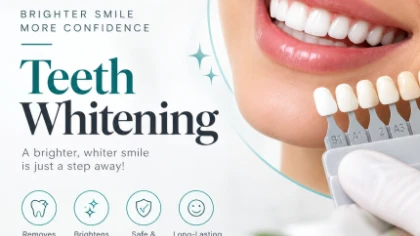
Teeth whitening can improve many types of discoloration. Learn which stains respond to whitening and when other dental treatments may be better.
Discolored teeth are common and can affect the appearance of your smile. Teeth may become darker or develop yellow, brown, or gray shades due to food, drinks, smoking, aging, poor oral hygiene, or certain dental conditions. Teeth whitening can often improve the appearance of stained teeth, but its effectiveness depends on the type and cause of discoloration.
Professional teeth whitening in Islamabad can help remove many common stains and brighten the natural color of your teeth. A dental professional can first examine your teeth and determine whether whitening is appropriate for your particular type of discoloration.
What Causes Discolored Teeth?:
Tooth discoloration can develop for many different reasons. Some stains are found on the outside surface of the teeth, while others occur inside the tooth structure.
Common causes include coffee, tea, soft drinks, tobacco, certain foods, poor oral hygiene, and natural aging. Teeth can also become discolored after dental trauma, certain medications, excessive fluoride exposure, or changes within the tooth.
Understanding the cause of discoloration is important because different stains respond differently to whitening treatment.
Can Whitening Remove Surface Stains?:
Yes, teeth whitening can be particularly effective for many surface stains. These stains are often caused by substances such as coffee, tea, tobacco, red-colored foods, and other strongly pigmented products.
Professional whitening treatments use bleaching agents that break down stain molecules and make the teeth appear lighter. The results can vary depending on the severity and duration of the discoloration.
Good oral hygiene and regular dental cleanings can also help prevent new surface stains from building up.
Does Whitening Work on Yellow Teeth?:
Yellowish teeth can often respond well to whitening treatment. As people age, enamel can gradually become thinner, allowing the naturally darker dentin underneath to become more visible.
Whitening may lighten the overall appearance of yellow teeth, although the final result depends on the individual's natural tooth color and the condition of the enamel.
If you want a brighter smile, professional teeth whitening may provide more noticeable and controlled results than relying only on over-the-counter whitening products.
Can Whitening Treat Gray or Brown Discoloration?:
Gray or brown discoloration can be more difficult to treat. Some internal stains may not respond as effectively to conventional whitening because the discoloration is located deeper within the tooth.
For example, teeth affected by trauma, certain medications, or developmental conditions may require alternative cosmetic treatments. Your dentist can assess the cause of the discoloration and recommend the most appropriate option.
In some cases, treatments such as dental bonding, veneers, or crowns may be considered when whitening cannot produce the desired result.
What About One Discolored Tooth?:
Sometimes only one tooth appears darker than the others. This may happen after an injury, infection, or previous dental treatment.
When a single tooth is significantly darker, ordinary whitening may not provide the same result as it does for naturally stained teeth. A dentist should examine the tooth to determine why it has changed color.
Treating the underlying dental problem is important before considering cosmetic whitening.
Is Professional Whitening Better for Discolored Teeth?:
Professional whitening offers the advantage of being performed under dental supervision. A dentist can evaluate your teeth, identify existing dental problems, and select an appropriate whitening approach.
Professional treatment can also help ensure that the whitening process is performed correctly. This is especially important for people with sensitive teeth, fillings, crowns, gum problems, or different types of discoloration.
For personalized dental care, Dental Aesthetics Studio provides professional guidance to help patients understand their cosmetic treatment options.
How Can You Maintain Whiter Teeth?:
After whitening, maintaining good oral habits can help your results last longer. Brush your teeth twice daily with fluoride toothpaste and clean between your teeth regularly.
Try to limit foods and beverages that commonly cause staining, such as coffee, tea, tobacco products, and strongly colored foods. Drinking water after meals and beverages can also help reduce the buildup of staining substances.
Regular dental checkups and professional cleanings can further support a healthy and brighter smile.
When Is Whitening Not Enough?:
Teeth whitening is not suitable for every type of discoloration. Deep internal stains, damaged teeth, certain medications, and some developmental conditions may respond poorly to traditional whitening.
Whitening also does not change the color of existing fillings, crowns, veneers, or other restorations. If these restorations no longer match your natural teeth, your dentist may discuss other cosmetic options.
A professional examination is the best way to determine whether whitening alone can achieve the result you want.
Final Thoughts:
Teeth whitening can treat many types of discolored teeth, particularly yellow and surface stains caused by aging, foods, drinks, and tobacco. However, deeper or internal discoloration may require other cosmetic or restorative treatments. If you are considering teeth whitening treatment, a dental professional can identify the cause of your discoloration and recommend the safest and most effective approach for a brighter smile.


Comments
Login to Comment