Everything to Know About Sustainable Packaging
10 Sep, 2026
9 Views 0 Like(s)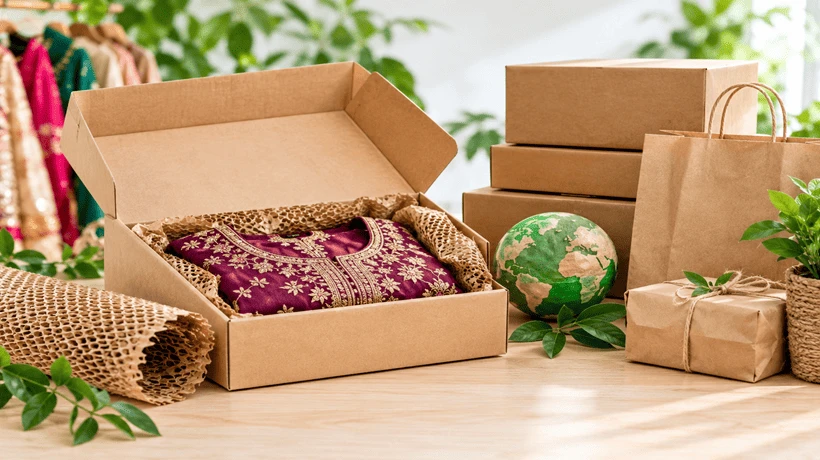
Explore comprehensive insights on sustainable packaging, including materials, benefits, and best practices for businesses aiming to go green and reduce waste.
More and more people are paying attention to how their everyday purchases affect the planet, and packaging has become a big part of that conversation. As awareness around environmental damage keeps growing, businesses and consumers alike are shifting toward eco-friendly packaging materials that don’t leave an indelible imprint. The attached infographic explains exactly what sustainable packaging involves and why it matters.
So, what actually counts as sustainable packaging?
It’s sometimes called green packaging, and the basic idea is to protect the environment while using less energy in the manufacturing process. These materials are typically recyclable, reusable, or biodegradable, and sometimes all three.
When it comes to the actual materials used, there’s more variety than you might expect. Recyclable products top the list, closely followed by biodegradable plastics. Recyclable polythene bags show up too, along with plant-based plastics and various alternative energy resources used in production. Together, these options give companies a way to package products without relying on materials that stick around in landfills for decades.
Conversely, some materials are intentionally excluded due to their detrimental impact on the environment. Styrofoam is a big one, something that essentially needs to be avoided, along with polystyrene and general plastic waste. Non-renewable energy sources and multi-layered packaging materials, which are notoriously difficult to recycle due to their construction, are also avoided.
As for specific types of sustainable packaging, a few stand out. Recycled cardboard packaging boxes are made from reclaimed materials and can be reused repeatedly, making them a genuinely long-lasting option. Biodegradable plastics, built from fully recycled materials, offer another eco-conscious route. Cloth bags work well for a range of uses and hold up better than most disposable alternatives. Then there’s biodegradable bubble wrap, which replaces the traditional plastic version and does a much better job of protecting fragile items without the environmental cost. Additionally, bags made from kraft paper, a strong and durable material, have emerged as one of the more popular substitutes for plastic bags.
Together, these several types of biodegradable options represent some of the most practical packaging materials available right now for anyone trying to cut down on plastic use.
The payoff for switching is worth mentioning too. Sustainable packaging helps keep the environment cleaner, cuts down on energy consumption, and reduces the sheer volume of waste piling up around us. Additionally, it also pushes the wider use of renewable and recycled materials, which offers knock-on benefits well beyond just packaging.
If you are interested in purchasing these types of packaging materials, please refer to the attached infographic, which provides a list of sustainable packaging options available on the website of a well-known packaging supplier in the UK at affordable rates.
Beyond waste reduction, adopting these eco-conscious practices significantly enhances brand reputation and aligns companies with the values of modern, eco-minded consumers. Businesses that embrace sustainability build stronger customer loyalty and lower their long-term operational costs by optimizing resource usage. Furthermore, regulatory bodies worldwide are increasingly penalizing single-use plastics, making green packaging a smart, future-proof business move rather than just a passing trend. By opting for circular economy principles—where materials are continuously reused rather than discarded—the entire supply chain becomes cleaner, less resource-intensive, and far more resilient against future raw material shortages.


Comments
Login to Comment