Can Facial Capillaries Be a Sign of Delicate Facial Skin?
30 Oct, 2026
14 Views 0 Like(s)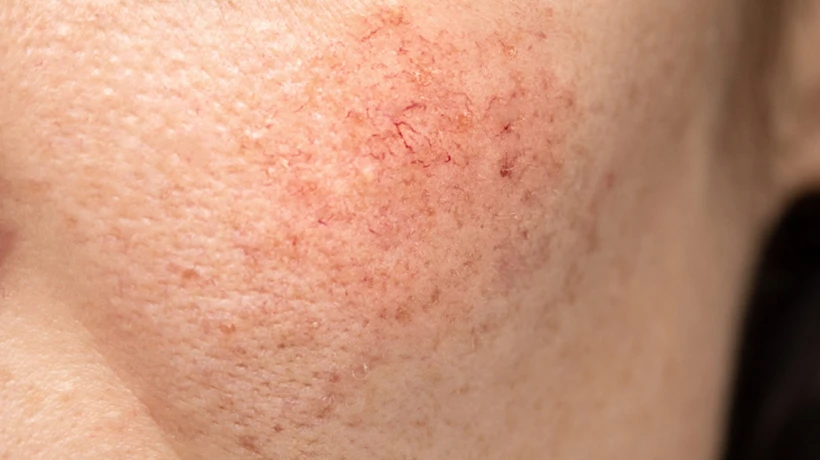
Worried about broken/purple blood vessels on your face? Dynamic Life Clinics offers safe facial capillaries treatment in Dubai. Get a free consultation
Facial capillaries are tiny blood vessels that may become visible near the surface of the skin, creating fine red, pink, or purplish lines across the cheeks, nose, and other facial areas. Their appearance can sometimes indicate that the skin is sensitive, reactive, or easily irritated. Understanding these changes is important for maintaining a comfortable complexion and recognizing potential skin concerns. People exploring Facial Capillaries Treatment in Dubai may also want to understand whether visible vessels are associated with delicate skin, environmental exposure, or underlying skin conditions.
What Makes Facial Skin Delicate?
Delicate facial skin generally describes skin that reacts easily to environmental changes, skincare products, friction, or temperature fluctuations. Common characteristics include:
-
A tendency toward redness or irritation.
-
Dryness, tightness, or increased sensitivity.
-
Discomfort after using strongly fragranced skincare products.
-
Reactions to sudden changes in temperature.
-
A reduced tolerance for harsh exfoliating ingredients.
Is There a Connection Between Delicate Skin and Visible Capillaries?
There can be a connection between delicate facial skin and visible capillaries. Skin that frequently experiences irritation may also develop persistent redness, making small blood vessels more noticeable. Certain individuals naturally have thinner or more translucent skin, allowing underlying vessels to show through more clearly.
Repeated exposure to irritating products, excessive heat, or environmental stress may also contribute to facial redness. Nevertheless, visible capillaries are not a definitive sign of skin sensitivity.
Common Facial Areas Where Capillaries Appear
Visible capillaries tend to develop in areas that experience frequent environmental exposure or have naturally delicate skin. The nose and its surrounding creases are common locations because small vessels can become increasingly noticeable in this region. The cheeks are another frequent area, particularly among people who experience flushing or persistent redness.
Some individuals notice capillaries around the chin or near the lower cheeks. These patterns can vary according to individual skin characteristics, age, and environmental influences.
Everyday Factors That May Increase Facial Redness
Several everyday influences can make facial capillaries more noticeable or aggravate surrounding skin sensitivity. Common influences include:
-
Sun exposure: Ultraviolet radiation can damage skin structures and contribute to visible blood vessels.
-
Extreme temperatures: Hot weather, cold winds, and sudden temperature changes may trigger flushing.
-
Harsh skincare products: Strong exfoliants, alcohol-heavy formulations, and irritating fragrances may aggravate sensitive skin.
-
Frequent rubbing: Vigorous cleansing or repeated friction can increase irritation.
-
Hot beverages and spicy foods: These may trigger temporary facial flushing in some individuals.
Could an Underlying Skin Condition Be Responsible?
Visible capillaries sometimes accompany conditions that cause persistent facial redness. Rosacea is one example, as it can involve flushing, visible blood vessels, and sensitivity across the central face. However, not everyone with visible capillaries has rosacea.
If redness continues, becomes more pronounced, or occurs alongside burning, swelling, or uncomfortable skin changes, professional assessment may help clarify the underlying cause. Sudden, unexplained changes should not automatically be attributed to delicate skin.
How Skincare Habits Affect Delicate Facial Skin
A gentle skincare routine can help support the skin barrier and reduce avoidable irritation. People who experience sensitivity may benefit from selecting products carefully and introducing new ingredients gradually. Helpful habits include:
-
Using a mild cleanser that does not leave the skin feeling tight.
-
Applying a fragrance-free moisturiser suited to individual skin needs.
-
Wearing broad-spectrum sunscreen with SPF 30 or higher.
-
Avoiding aggressive scrubbing and excessive exfoliation.
-
Testing unfamiliar products on a small area before regular use.
Why Sun Protection Matters
Sun exposure is an important consideration for people concerned about delicate skin and visible facial vessels. Ultraviolet radiation contributes to skin damage, premature ageing, and changes in the small blood vessels near the surface.
Daily sunscreen use can help limit further sun-related damage. Wearing a wide-brimmed hat and seeking shade during periods of strong sunlight can provide additional protection. People with sensitive skin may prefer fragrance-free sunscreens formulated for reactive complexions.
When Should Visible Capillaries Be Assessed?
Visible facial capillaries are often harmless, but persistent or changing symptoms deserve attention. Consider seeking an assessment if you notice:
-
Increasing or widespread facial redness.
-
Frequent flushing without an obvious trigger.
-
Persistent burning, stinging, or sensitivity.
-
New vessels accompanied by other unusual skin changes.
-
Redness that interferes with daily comfort.
Final Thoughts
Facial capillaries can sometimes be associated with delicate facial skin, but their presence does not automatically mean that the skin is fragile or unusually sensitive. Genetics, ageing, sun exposure, environmental conditions, and underlying skin concerns can all influence the visibility of small blood vessels. A gentle routine, consistent sun protection, and awareness of personal triggers can support healthier-looking skin and reduce unnecessary irritation.



Comments
Login to Comment