Are Fat Injections Effective for Adding Natural Volume?
09 Oct, 2026
11 Views 0 Like(s)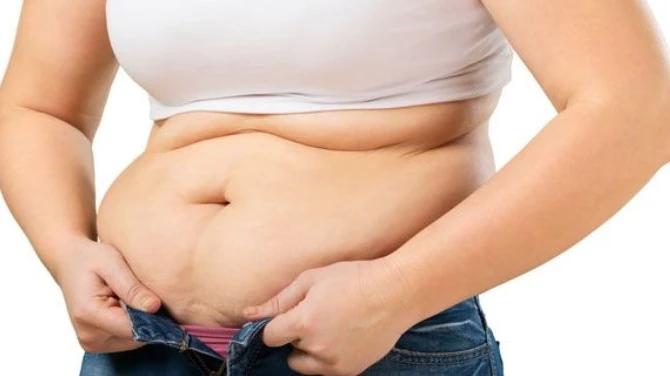
Recovery depends on the amount of fat removed, the treatment area, and the extent of the procedure. Swelling, bruising, tenderness, and temporary discomfort can occur at both the donor and injection sites.
Achieving natural-looking volume without changing your appearance dramatically is a common goal for people exploring modern aesthetic treatments. Whether the aim is to improve facial contours, soften hollow areas, or enhance body proportions, choosing the right approach can make a meaningful difference. Fat Injections in Dubai have become an option for individuals seeking subtle volume enhancement using their own body fat rather than relying entirely on synthetic fillers. But how effective is this procedure, and can it deliver results that look and feel natural? Understanding the process, benefits, limitations, and recovery expectations can help you decide whether fat transfer is suitable for your aesthetic goals.
What Are Fat Injections and How Do They Work?
Fat injections, also known as fat transfer or autologous fat grafting, involve taking fat from one area of the body and transferring it to another area that needs additional volume. Since the treatment uses the patient's own fat, it offers an alternative to certain synthetic injectable materials.
Understanding the Fat Transfer Process
The procedure generally involves three main stages. First, a qualified medical professional removes fat from a suitable donor area, such as the abdomen, thighs, or flanks, using a specialized liposuction technique. The collected fat is then processed to separate suitable fat cells from unwanted fluids and impurities.
Finally, the prepared fat is carefully injected into the target area in small amounts. Precise placement helps create smooth contours and supports the survival of transferred fat cells.
The exact technique depends on the treatment area, the amount of volume required, and the patient's anatomy.
Are Fat Injections Effective for Natural Volume Enhancement?
Fat injections can be effective for adding natural-looking volume, particularly when performed on carefully selected candidates by an experienced medical professional. However, the results vary because not all transferred fat cells survive after injection.
Results That Complement Your Natural Features
One of the main advantages of fat transfer is its potential to create soft, natural-looking contours. Because the treatment uses your own tissue, the added volume can blend with the surrounding area rather than creating an obviously artificial appearance.
Fat transfer may be considered for several purposes, including:
-
Restoring volume in areas affected by age-related changes.
-
Improving selected facial contours.
-
Enhancing body shape and proportions.
-
Softening certain hollows or depressions.
-
Improving contour irregularities in appropriate cases.
The suitability of the procedure depends on the area being treated and the patient's individual needs. Fat injections are not appropriate for every aesthetic concern, and some goals may be better addressed through alternative treatments.
What Factors Influence the Final Results?
Although fat injections can produce satisfying results, their effectiveness depends on more than the injection technique alone.
Fat Cell Survival and Volume Retention
After transfer, the injected fat cells need to establish a blood supply in their new location to survive. Some cells may not survive, meaning the initial volume will usually decrease as swelling settles and the body absorbs some of the transferred fat.
The amount of retained volume varies between individuals. The treatment area, injection technique, tissue condition, and healing process can all influence the outcome.
The Importance of a Suitable Candidate
Good candidates generally have enough available donor fat, realistic expectations, and overall health that supports safe healing. People seeking a modest enhancement may find fat transfer appealing, while those who want a highly predictable or dramatic change may need to consider other options.
A medical assessment is essential before proceeding. Your practitioner should review your medical history, discuss possible complications, and explain whether the expected results align with your goals.
What Are the Main Benefits of Fat Injections?
Fat transfer offers several potential advantages for people seeking volume enhancement.
Uses Your Own Body Fat
Using your own tissue reduces concerns associated with introducing a different material into the body, although it does not eliminate the risks of an aesthetic procedure.
Can Provide Long-Lasting Results
Fat cells that successfully establish themselves may remain in the treated area for years. However, the final volume is not guaranteed, and changes in body weight, aging, and natural tissue changes can affect the appearance over time.
Allows Personalized Contouring
Fat can be harvested from one area and transferred to another, potentially supporting improvements in overall body proportions. The procedure can therefore address more than one aesthetic concern in selected cases.
What Should You Expect During Recovery?
Recovery depends on the amount of fat removed, the treatment area, and the extent of the procedure. Swelling, bruising, tenderness, and temporary discomfort can occur at both the donor and injection sites.
Your practitioner will provide instructions on wound care, activity restrictions, and follow-up appointments. You may need to avoid strenuous exercise for a period and follow specific guidance about pressure on the treated area.
The initial appearance should not be considered the final result because swelling can temporarily make the area look fuller than it will after healing. Improvements generally become easier to assess over the following weeks and months.
Contact your medical team promptly if you experience severe or worsening pain, unusual skin discoloration, fever, or other concerning symptoms.
Are There Any Limitations or Risks?
Fat injections are not risk-free. Potential complications include infection, bleeding, uneven contours, fat absorption, lumps, and asymmetry. More serious complications are possible, depending on the treatment area and technique.
Choosing a properly qualified medical professional with appropriate experience is essential. Ask about the procedure, expected fat retention, possible need for additional treatment, and the steps taken to minimize complications.
It is equally important to understand that fat transfer cannot guarantee perfectly symmetrical results or prevent future changes caused by aging.
Final Thoughts
Fat injections can be an effective option for adding natural-looking volume when the procedure is appropriate for the individual and performed with careful technique. Using your own fat, personalizing the placement, and allowing sufficient time for healing can support balanced results. Nevertheless, the amount of retained volume and the final appearance vary from person to person.
Before deciding, arrange a consultation with a qualified medical professional to discuss your goals, donor fat availability, health history, and realistic expectations. A personalized assessment can help you determine whether fat transfer is the right approach for achieving subtle, harmonious volume enhancement.

Comments
Login to Comment