How to Get Found in AI Search: A Practical SEO Guide for 2026
08 Oct, 2026
7 Views 0 Like(s)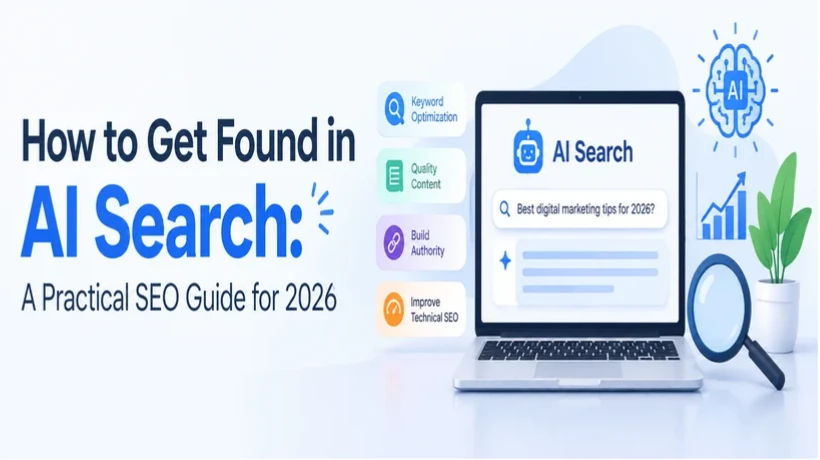
People no longer just “Google it.” They ask ChatGPT, Gemini, Perplexity, and AI summaries built into search results, and often they get their answer without ever visiting a website. If your content isn’t part of those answers, you’re losing traffic you never see.
People no longer just “Google it.” They ask ChatGPT, Gemini, Perplexity, and AI summaries built into search results, and often they get their answer without ever visiting a website. If your content isn’t part of those answers, you’re losing traffic you never see.
The good news is that SEO isn’t dead. The rules have shifted, and you can adapt quickly.
What changed?
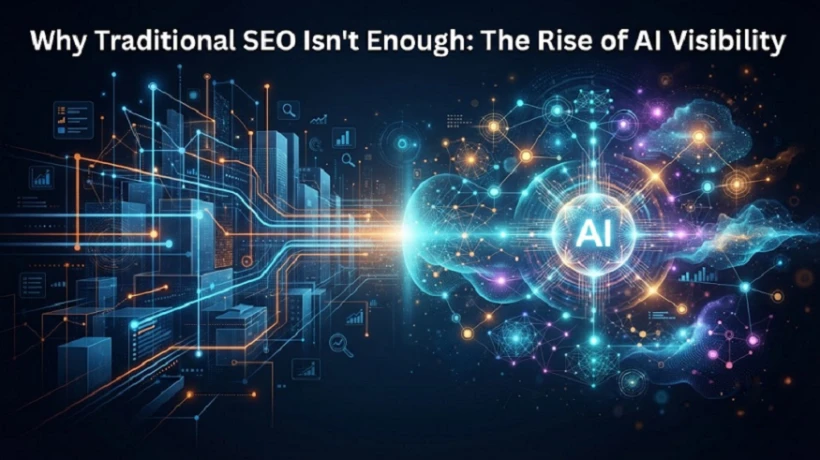
Traditional SEO was about ranking on page one for a keyword. AI search is about being cited or mentioned inside the answer. This is often called Generative Engine Optimization (GEO). Search has also become conversational: people ask full questions, follow-ups, and comparisons instead of typing two or three keywords.
7 steps to boost your AI search visibility
1. Answer the question directly, early.
Start each section with a clear, one- or two-sentence answer, then add detail. AI tools favor content that is easy to extract and quote.
2. Write for real questions, not just keywords.
Look at what your audience actually asks: “Is X worth it?”, “X vs Y”, “How do I fix Z?” Use these as your headings. Tools like Google’s “People also ask,” AnswerThePublic, and Reddit threads are goldmines.
3. Show real experience.
Generic content is everywhere now, and AI can produce it in seconds. Original examples, first-hand results, screenshots, case studies, and honest opinions are what set you apart. Say “I tested this for 30 days and here’s what happened” instead of “Many experts believe...”
4. Build topical authority.
Don’t publish random posts. Pick a few core topics and cover them deeply with connected articles, linking each one to related pieces. A site that clearly “owns” a topic is more likely to be trusted by both search engines and AI tools.
5. Use clear structure.
Short paragraphs, descriptive subheadings, bullet lists, tables, and an FAQ section help readers and machines understand your page. Add schema markup (Article, FAQ, Author) where you can.
6. Strengthen your brand mentions.
AI systems learn from the wider web. Guest posts on reputable sites, expert quotes, podcast appearances, and mentions in industry roundups all raise the chance that your name comes up. This is where guest posting is more valuable than ever.
7. Track more than rankings.
Check whether your brand or pages appear when you ask AI tools questions in your niche. Monitor branded searches, referral traffic from AI platforms, and engagement metrics, not just keyword positions. Invest in first-party data like email subscribers, since you own that audience regardless of algorithm changes.
Common mistakes to avoid
- Publishing mass-produced AI content with no original insight
- Stuffing keywords instead of answering questions
- Ignoring site speed and mobile experience
- Never updating old posts (refresh your best ones every few months)
- Chasing every trend instead of building depth in one niche
FAQ
Is SEO still worth it in 2026?
Yes. Technical SEO, on-page SEO, and quality content still matter. They’re also the foundation of AI visibility.
How is GEO different from SEO?
SEO aims to rank in a list of links. GEO aims to be included, cited, or recommended inside an AI-generated answer. The two overlap heavily.
How long until I see results?
Usually 3 to 6 months of consistent, quality publishing, though updating existing content can help sooner.
Final thoughts
AI search rewards what good marketers have always valued: clear answers, real expertise, and a trusted brand. Start by updating your top five articles with direct answers, FAQs, and first-hand examples. Then build from there, one topic cluster at a time.

Comments
Login to Comment