IV Drips and Workplace Wellness: What Employers Should Know
08 Oct, 2026
8 Views 0 Like(s)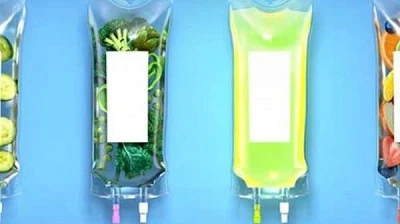
Discover the benefits of IV drips for hydration, wellness, and nutrient support. Learn about IV therapy, benefits, treatments, and expert care.
Workplace wellness has evolved beyond traditional gym memberships, health screenings, and nutrition programs. As employees increasingly look for convenient ways to support energy, hydration, recovery, and overall well-being, intravenous (IV) therapy has entered the conversation. For employers, however, introducing IV drips into a workplace wellness strategy requires careful consideration of medical safety, employee choice, privacy, and appropriate clinical oversight.
For people researching the Best IV Drips in Muscat, it is important to understand that IV therapy is a medical treatment rather than simply another wellness perk. Different formulations may be designed for different purposes, and suitability can vary considerably from one individual to another. Employers should therefore focus on creating responsible wellness policies rather than promoting IV therapy as a universal solution.
What Are IV Drips and Why Are They Becoming Popular?
IV drips deliver fluids, electrolytes, vitamins, minerals, or other medically appropriate substances directly into a vein through an intravenous line. Because the substances bypass the digestive system, they can enter circulation directly.
In wellness settings, IV treatments may be marketed for hydration, recovery, energy support, or general wellness. Some formulations may contain nutrients such as vitamin C or B vitamins, while others may primarily focus on fluid and electrolyte replacement.
The growing interest in IV therapy partly reflects changing workplace expectations. Employees often have demanding schedules and may be interested in services that are convenient and require relatively little time. However, convenience should not replace medical assessment.
Employers considering an IV-based wellness initiative should understand that the benefits depend on the employee's individual circumstances. Someone experiencing dehydration after intense physical activity may have different needs from someone who simply feels tired after a busy week.
Potential Role of IV Therapy in Workplace Wellness
A workplace wellness program should ultimately encourage healthier behaviors and support employee well-being. IV therapy may have a limited role within that broader strategy, particularly when it is offered through appropriately qualified medical professionals and is completely voluntary.
Hydration is one area where IV fluids can have a legitimate medical role. People who are significantly dehydrated or unable to adequately replace fluids orally may sometimes require intravenous fluids under professional supervision. However, most healthy employees can generally maintain hydration through regular drinking and a balanced diet.
Some workplace wellness providers may also offer vitamin-focused IV treatments. These can sound appealing, particularly to employees dealing with busy schedules or demanding workloads. Nevertheless, an employer should avoid presenting IV vitamins as a guaranteed way to improve productivity, prevent illness, or replace healthy lifestyle habits.
A responsible program should position IV therapy, when appropriate, as one optional service rather than the foundation of workplace health.
What Employers Should Consider Before Offering IV Drips
Before introducing IV therapy into a workplace wellness program, employers should establish clear standards for safety and clinical responsibility.
First, the service should be delivered by appropriately qualified healthcare professionals. Staff should be capable of assessing whether an employee is an appropriate candidate and should know when IV treatment should be postponed or declined.
Second, employees should receive appropriate information before treatment. This can include details about the proposed ingredients, expected effects, potential side effects, contraindications, and alternative options.
Third, participation should always be voluntary. Employees should never feel that accepting an IV treatment will improve their standing with management or that refusing one could negatively affect workplace relationships.
Employers should also consider confidentiality. Health information collected during a wellness service should be handled appropriately, with access limited to those who genuinely need it. Management generally does not need to know an employee's private medical details simply because the employee participated in a wellness activity.
Finally, employers should establish what happens if an employee experiences an adverse reaction. A medically supervised environment should have appropriate procedures for responding to complications and arranging further medical care when necessary.
Choosing the Right IV Wellness Approach in Muscat
For organizations and employees exploring the Best IV Drips in Muscat, the focus should be on quality and suitability rather than simply choosing the most heavily promoted formulation.
A reputable IV therapy service should begin with an appropriate health assessment. This helps identify medical conditions, allergies, medications, pregnancy status, or other factors that could affect treatment suitability.
The formulation itself also deserves attention. A longer ingredient list does not automatically mean a better treatment. In fact, unnecessary supplementation may create avoidable risks. The goal should be to use only medically appropriate ingredients in appropriate amounts.
Employers can also ask practical questions about infection-control procedures, sterile equipment, emergency protocols, staff qualifications, and how medical records are handled.
A workplace program should favor evidence-informed care over dramatic wellness claims. Statements suggesting that a particular IV drip can cure multiple unrelated conditions, dramatically increase productivity, or replace sleep and nutrition should be treated cautiously.
Benefits, Limitations, and Safety Considerations
IV therapy can be useful in certain medical circumstances, but it is not risk-free. Even a routine IV procedure involves inserting a needle into a vein, which can result in bruising, discomfort, bleeding, irritation, or infection.
Depending on the ingredients and the individual's health, other reactions may also occur. Excessive amounts of certain vitamins, minerals, or fluids may be inappropriate for some people. Individuals with particular heart, kidney, or other medical conditions may require special consideration before receiving IV fluids.
Another important point is that feeling tired does not necessarily mean a person needs an IV drip. Fatigue can result from insufficient sleep, stress, inadequate nutrition, illness, medication effects, dehydration, or many other causes. Treating the symptom without understanding the underlying reason may not solve the problem.
Employers should therefore avoid using IV therapy as a quick fix for chronic workplace fatigue. A comprehensive wellness strategy should also encourage adequate sleep, balanced nutrition, regular physical activity, stress management, appropriate breaks, and access to medical care when needed.
How Employers Can Build a Responsible Wellness Program
If an employer decides to include IV therapy as an optional wellness service, it can be incorporated thoughtfully.
A good program can begin with education rather than treatment. Employees can receive general information about hydration, nutrition, recovery, and the circumstances in which medical evaluation may be more appropriate than a wellness service.
Any IV option should be voluntary and supported by proper screening. Employees should have the opportunity to ask questions privately and should not be pressured to participate.
Employers may also consider offering multiple wellness choices rather than making IV therapy the headline benefit. Hydration stations, healthy food options, mental health resources, fitness initiatives, ergonomic assessments, health education, and flexible working practices may provide broader benefits across the workforce.
The most effective workplace wellness programs recognize that employees have different health needs. What works for one individual may not be appropriate for another.
What Employees Should Ask Before Getting an IV Drip
Employees considering IV therapy should also take an active role in their own safety. Before treatment, they can ask what the IV contains, why each ingredient is being recommended, and whether there is evidence supporting its intended purpose.
It is also reasonable to ask about possible side effects and whether oral hydration, food, rest, or another approach could meet the same need.
Anyone with a medical condition, taking prescription medication, pregnant or breastfeeding, or experiencing unexplained symptoms should discuss IV treatment with an appropriate healthcare professional before proceeding.
For employers, encouraging these questions is a positive sign. A quality wellness program should make employees feel informed rather than persuaded.
Ultimately, the goal of workplace wellness is not to offer the trendiest treatment. It is to create an environment where employees can make informed health decisions while receiving appropriate support. IV therapy may have a place in that environment for selected individuals, but it should be approached as a medical service requiring proper oversight—not as a universal shortcut to better health.
FAQs
1. Are IV drips suitable for every employee?
No. IV therapy is not appropriate for everyone. Suitability depends on factors such as a person's health history, medications, allergies, current symptoms, and the specific IV formulation. Proper screening should take place before treatment.
2. Can workplace IV drips replace drinking water?
No. IV therapy should not be viewed as a replacement for normal hydration. Most healthy people can maintain adequate hydration by drinking fluids regularly and consuming a balanced diet. Intravenous fluids have specific medical uses and should be administered appropriately.
3. Can IV therapy improve employee productivity?
There is no universal guarantee that an IV drip will improve workplace productivity. An employee's energy and performance can be influenced by sleep, nutrition, stress, workload, illness, hydration, and many other factors. Employers should avoid making unsupported productivity claims.
4. What should employers look for when considering IV wellness services?
Employers should prioritize qualified healthcare professionals, appropriate medical screening, infection-control procedures, informed consent, privacy protections, emergency protocols, and evidence-informed treatment practices. Employee participation should always be voluntary.
5. Are IV drips completely risk-free?
No. IV therapy can cause side effects such as bruising, discomfort, vein irritation, infection, or reactions to the substances administered. Certain formulations may also be unsuitable for people with particular medical conditions. Professional assessment is therefore important.
6. How can employees choose among IV drip options in Muscat?
Employees should look beyond marketing claims and consider clinical supervision, ingredient transparency, medical screening, hygiene standards, staff qualifications, and whether the proposed treatment is appropriate for their individual needs. The Best IV Drips in Muscat should be evaluated based on safety and suitability rather than the number of ingredients or promotional promises.
Read More About IV Drips: https://medium.com/@eshanasir556/iv-drips-and-digital-health-where-wellness-meets-technology-4361bac3f94d



Comments
Login to Comment