Who Is a Good Candidates for Mole Removal?
30 Sep, 2026
6 Views 0 Like(s)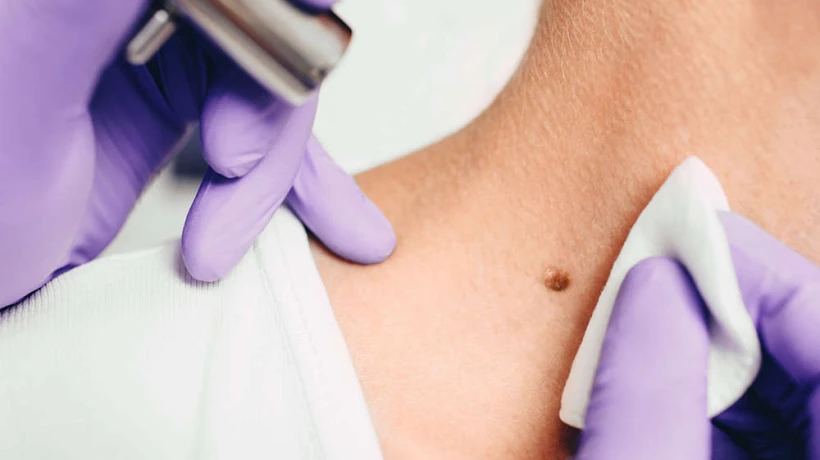
Mole Removal In Dubai may be suitable for people with specific cosmetic or practical concerns, but candidacy depends on the characteristics of the mole, the condition of the surrounding skin, and whether the lesion requires medical evaluation.
What Makes Someone a Good Candidate for Mole Removal?
A good candidate is generally someone whose mole has been appropriately assessed and is considered suitable for removal.
The person may be bothered by the mole because of its appearance, location, size, or repeated irritation. They should also understand that mole removal can leave a temporary or permanent mark depending on the technique and individual healing.
The goal should be realistic improvement rather than an expectation of completely flawless skin.
People Concerned About a Visible Mole
A visible mole can sometimes affect how a person feels about their appearance, particularly when it is located on the face, neck, hands, or another exposed area.
Someone who feels self-conscious about a stable, medically assessed mole may discuss cosmetic removal with a qualified professional.
The treatment approach will depend on the mole's characteristics and the location being treated.
People With Moles That Are Frequently Irritated
Raised moles can sometimes become irritated when they rub against clothing, jewelry, shaving equipment, or other objects.
A mole around the neck may catch on collars or necklaces, while a lesion near the waistband or another friction-prone area may repeatedly rub against clothing.
If a mole causes frequent discomfort or accidental trauma, removal may be considered after appropriate assessment.
People With Moles That Affect Their Appearance
Some people simply prefer the appearance of their skin without a particular mole.
This can be a reasonable cosmetic concern when the mole has been assessed and does not require additional medical investigation.
The practitioner can discuss the available removal options and explain the potential for scarring, pigmentation changes, and healing time.
People With Stable, Medically Assessed Moles
A stable mole that has not developed concerning changes may be considered for cosmetic removal.
Before treatment, its appearance and history may be reviewed to determine whether removal is appropriate.
A mole should not be assumed to be harmless simply because it has been present for a long time. Any unusual or changing lesion should receive proper assessment.
What If the Mole Has Changed?
Changes in a mole can include:
- A noticeable increase in size
- Changes in shape
- Irregular borders
- New or changing colors
- Persistent bleeding
- Crusting
- Ongoing itching
- A noticeable difference from other moles
These features do not automatically indicate skin cancer. However, they can be reasons for medical assessment.
When a mole has concerning characteristics, medical evaluation should take priority over cosmetic removal.
People With Realistic Expectations
Good candidates should understand what mole removal can and cannot achieve.
The purpose of treatment is to remove the targeted mole or reduce its visible presence using an appropriate technique. It cannot guarantee completely invisible skin afterward.
Depending on the mole and treatment method, there may be redness, pigmentation changes, or scarring during or after healing.
Understanding these possibilities helps create realistic expectations.
Skin Health Is Also Important
The condition of the surrounding skin can influence treatment planning and healing.
Active irritation, infection, open wounds, or significant inflammation around the treatment area may need to be addressed before mole removal.
A practitioner may recommend postponing treatment until the skin has recovered.
This helps create a more suitable environment for healing.
Can People With Different Skin Types Have Mole Removal?
Mole removal can be considered for people with different skin types, but skin characteristics should be taken into account.
Individuals with darker skin tones may have a greater tendency to develop post-inflammatory hyperpigmentation after some skin procedures.
This does not automatically prevent treatment. Instead, the removal technique, treatment settings when relevant, and aftercare should be selected carefully.
Sun protection may also be important during the healing period.
What About Sensitive Skin?
Sensitive skin does not automatically mean that mole removal is unsuitable.
However, people with easily irritated skin should discuss their skin history during consultation.
The practitioner can consider previous reactions, current skin condition, and the location of the mole when selecting an appropriate approach.
If the skin is currently inflamed or damaged, treatment may need to be delayed.
Can People With Large Moles Be Candidates?
The size of a mole does not automatically determine whether someone is a candidate.
Larger moles may require a different removal approach from small, superficial lesions.
The depth, shape, location, and type of mole also matter. Surgical removal may sometimes be considered when a larger or deeper lesion requires complete removal.
A professional assessment is necessary to determine the appropriate option.
Can Raised Moles Be Removed?
Raised moles can sometimes be removed, depending on their characteristics.
Options may include shave removal or surgical excision in selected cases.
The appropriate technique depends on how deeply the mole extends into the skin and whether there is any reason for the tissue to be examined.
Can Flat Moles Be Removed?
Flat moles may also be considered for removal, but the technique depends on their pigmentation, depth, location, and medical characteristics.
Laser treatment may be considered for selected lesions, but it should not automatically be used for a pigmented lesion without appropriate assessment.
If there is any concern about the mole, further medical evaluation may be necessary.
When Mole Removal May Not Be Appropriate
Not everyone seeking mole removal is immediately suitable for treatment.
Treatment may need to be postponed or reconsidered when:
- The surrounding skin has an active infection
- There is significant irritation or inflammation
- The mole has suspicious characteristics requiring medical investigation
- The person has unrealistic expectations
- The individual has a medical or healing concern that needs consideration
The final decision should be based on an individual assessment.
Previous Skin Procedures Should Be Discussed
People who have previously had treatment on or around the mole should mention it during consultation.
Previous laser treatments, surgery, biopsies, injuries, or other procedures may affect the skin and influence treatment planning.
Providing an accurate treatment history allows the practitioner to make a more informed decision.
Medical History Can Affect Candidacy
A person's general health and medical history can also be relevant.
Certain medications, bleeding problems, immune-related conditions, previous difficulties with wound healing, or a history of problematic scarring may require additional consideration.
This does not necessarily mean that mole removal cannot be performed. It means that the practitioner may need more information before deciding on the safest approach.
What Happens During the Assessment?
The consultation generally begins with an examination of the mole.
The practitioner may consider:
- Size
- Shape
- Color
- Surface
- Depth
- Location
- Changes over time
- Surrounding skin
- Previous treatment
If the lesion appears suspicious, additional examination or testing may be recommended before cosmetic removal.
This step is important because the correct treatment depends on what type of lesion is actually being treated.
Understanding the Risk of Scarring
People considering mole removal should understand that any procedure that removes skin tissue can potentially cause a scar.
The likelihood and appearance of scarring depend on the removal technique, size and depth of the mole, treatment location, skin type, and individual healing response.
Some marks may become less noticeable with time, while others can remain visible.
A practitioner should discuss these possibilities before treatment.
What Should You Expect During Recovery?
Recovery depends on the removal method.
Temporary redness, swelling, tenderness, sensitivity, or scabbing may occur. Patients should avoid picking or scratching the treated area and follow the recommended aftercare instructions.
The skin may take time to settle, and the final appearance should not be judged immediately after treatment.
Protecting the healing area from excessive sun exposure may also be recommended.
Is Mole Removal a Personal Decision?
When a mole is medically suitable for cosmetic removal, the decision may ultimately come down to personal preference.
Some people are comfortable leaving harmless moles untreated, while others prefer removal because of appearance or repeated irritation.
A consultation allows the individual to understand the potential benefits, limitations, risks, and expected healing before making a decision.
Why Professional Assessment Matters
Mole removal should not be selected based only on size or appearance.
Two moles that look similar may have different characteristics and may require different treatment approaches.
Professional assessment helps determine whether removal is appropriate and whether the lesion should be examined further before treatment.
Conclusion
A good candidate for mole removal is generally someone with a mole that has been properly assessed and is suitable for treatment. People may consider removal because of cosmetic concerns, repeated irritation, accidental trauma, or other practical reasons.
However, candidacy is not based on appearance alone. The mole's size, shape, color, depth, location, history, and any recent changes should be considered. People with active skin problems, suspicious lesions, or certain medical and healing concerns may need additional evaluation before treatment.
Most importantly, anyone with a mole that is changing, bleeding, crusting, itching persistently, or looking noticeably different from other moles should seek appropriate medical assessment before pursuing cosmetic removal.
FAQs
Who is a good candidate for mole removal?
A person may be a candidate when the mole has been properly assessed and is suitable for removal. Cosmetic concerns, repeated irritation, and practical discomfort are common reasons for treatment.
Can anyone with a mole have it removed?
Not necessarily. Some moles require medical evaluation before removal, and the appropriate technique depends on the lesion's characteristics.
Can a person with sensitive skin have mole removal?
Sensitive skin does not automatically prevent mole removal. However, the current skin condition and history of irritation should be considered during treatment planning.
Can large moles be removed?
Large moles may be removable, but they can require a different technique from smaller lesions. Their size, depth, location, and medical characteristics need to be assessed.
Can raised moles be removed?
Yes, selected raised moles may be removed using techniques such as shave removal or surgical excision, depending on their characteristics.
Can flat moles be removed?
Some flat moles can be removed, but the appropriate method depends on their type, pigmentation, depth, and medical assessment.
Should a changing mole be treated cosmetically?
A changing mole should first receive appropriate medical assessment. Cosmetic treatment should not replace evaluation of a potentially suspicious lesion.
Can mole removal leave a scar?
Yes. Any procedure that removes skin tissue can potentially leave a scar or other visible mark. The outcome depends on the technique, mole characteristics, location, and individual healing.
How do I know which mole removal method is suitable?
A qualified professional should assess the mole before recommending a treatment method. Factors such as size, depth, color, location, and whether the mole has changed can influence the decision.

Comments
Login to Comment