How Custom T Shirts Shape Everyday Brand Identity
30 Sep, 2026
10 Views 0 Like(s)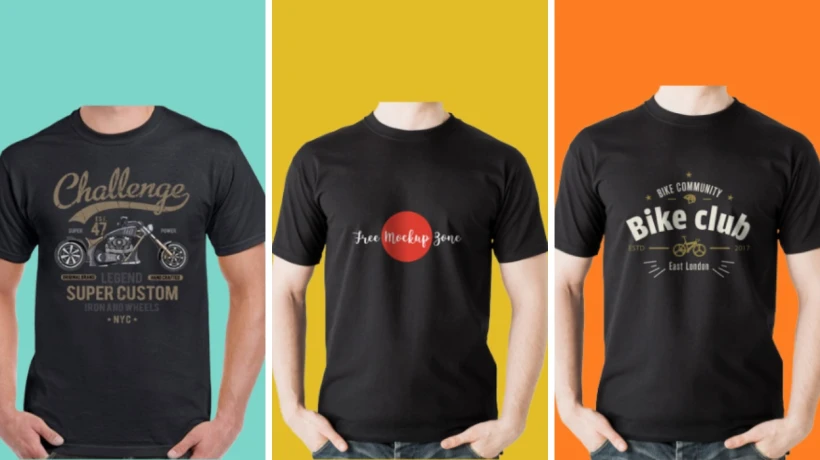
A simple printed shirt can show a team name, support an event, represent a business, or bring a group together. This is one reason custom t shirts continue to be used by companies, schools, sports groups, event organisers, and individuals.
Clothing is part of everyday life, but it can also carry a message. A simple printed shirt can show a team name, support an event, represent a business, or bring a group together. This is one reason custom t shirts continue to be used by companies, schools, sports groups, event organisers, and individuals.
Custom shirts are not limited to large organisations. Small businesses and local groups also use them for staff clothing, special occasions, product launches, and community activities. When several people wear shirts with a shared design, they can create a sense of connection without needing a complicated branding system.
The popularity of customised clothing comes from its practical nature. A shirt can be worn many times, and the design can be created around a particular purpose. This makes it useful for both personal and professional needs.
1. Why Custom T Shirts Are Used by Different Groups
Different groups have different reasons for ordering printed clothing. A company may want shirts for its employees, while a sports team may need matching clothing for players and staff.
Schools and colleges can also use printed shirts for trips, competitions, festivals, and student activities. Families may order them for reunions, birthdays, or other gatherings.
The common point is that customised clothing gives people something that connects them to the same activity or occasion. Instead of everyone wearing unrelated clothing, a shared design creates a visible connection between members of the group.
2. How Custom T Shirts Create a Sense of Team
A group does not always need formal uniforms to look connected. Matching shirts can create a similar feeling in a more relaxed setting.
For example, employees attending a public event can wear shirts featuring the company name or a simple graphic. Sports teams can use their colours and team names, while volunteers can wear shirts that make their role easy to identify.
This can make it easier for people to recognise members of the same group. It can also make participants feel that they are part of something shared.
The design does not have to be complicated. A name, logo, colour, or short message may be enough.
3. Choosing the Right Shirt Material
The material of a shirt affects comfort, appearance, and durability. Since customised shirts may be worn for several hours, fabric choice is important.
Cotton is a common option because it is soft and comfortable for everyday wear. Polyester is often selected for sports and outdoor activities because it handles moisture well and can be suitable for active use.
Cotton-polyester blends offer another option for people who want a balance between comfort and durability.
The right material depends on where and how the shirts will be used. Shirts for an indoor meeting may have different requirements from shirts worn during an outdoor event in warm weather.
4. What Makes a Shirt Design Easy to Notice
A good shirt design should be easy to understand from a normal viewing distance. Too many words, images, and colours can make the design difficult to read.
Important details such as a company name or event title should have enough space around them. Font size also matters, particularly when text needs to be seen from several metres away.
A simple layout often works well because it keeps the main message clear. The front, back, and sleeve areas can each be used for different information, but every element should have a clear purpose.
Before printing, the design should also be checked at the actual size of the shirt. A design that looks good on a computer screen may appear different when printed.
5. How Custom Shirts Work as Corporate Gifts
Businesses often give useful items to employees, customers, and event participants. Corporate gifts can include drinkware, bags, stationery, clothing, and many other products.
Customised shirts can be included in this category when the clothing is designed for a specific group or occasion. For example, a company may give employees shirts for an annual event or provide them as part of a welcome package.
The advantage is that clothing can be used rather than simply stored. A person may wear the shirt at home, during travel, at the gym, or while taking part in casual activities.
This gives the item a practical purpose beyond the moment when it is received.
6. Printing Methods for Different Shirt Designs
There are several ways to put a design onto a shirt. The suitable method depends on the artwork, fabric, quantity, and required finish.
Screen printing is widely used for designs with a limited number of colours and larger quantities. It can produce strong prints when the correct materials and settings are used.
Direct-to-garment printing is suitable for detailed artwork and photographs. It allows a wider range of colours without creating separate screens for each colour.
Heat transfer methods are another option. A printed design is transferred onto the fabric using heat and pressure.
Embroidery can also be considered when a raised stitched effect is preferred, especially for names, logos, and workwear.
Each technique has different characteristics, so the printing method should match the intended use of the shirt.
7. Where Custom Shirts Can Be Used
Customised shirts can be useful in many situations. Their use is not limited to business advertising.
Common examples include:
- Company events
- Sports competitions
- School activities
- Charity events
- Family gatherings
- Product launches
- Staff uniforms
- Trade exhibitions
- Community programmes
- Outdoor activities
For an event, matching shirts can make volunteers or staff easier to identify. For sports activities, they can help distinguish teams.
At family events, a shared design can turn ordinary clothing into a keepsake connected to a particular occasion.
8. The Importance of Shirt Size and Fit
Even a well-designed shirt may not be useful if the size and fit are unsuitable. When ordering customised clothing for a group, organisers should collect accurate size information before production.
Different manufacturers may use slightly different size measurements. Therefore, relying only on labels such as small, medium, or large can sometimes cause problems.
A size chart with measurements gives people a better idea of which option to select.
The type of fit also matters. Some people prefer a regular fit, while others may want a relaxed or fitted style. For large orders, providing several size options can make the final distribution easier.
9. How to Maintain Printed Shirts
Proper care can help extend the life of printed clothing. Washing instructions depend on the fabric and printing method, but some general practices can help.
Turning a printed shirt inside out before washing can reduce direct rubbing against other clothes. Using suitable washing temperatures can also help protect the fabric and print.
Strong heat may affect certain printing methods, so care labels should be followed. Avoiding unnecessary harsh treatment can help keep the shirt looking better for longer.
Good maintenance is particularly important for work shirts, team clothing, and other items that are worn regularly.
10. The Growing Role of Custom Clothing
Custom clothing continues to change as printing technology and design options improve. People now have more ways to personalise garments than in the past.
Digital printing makes detailed artwork possible, while improved transfer materials can support different types of designs. More choices in fabrics, fits, and colours also allow groups to create clothing that suits their particular needs.
At the same time, the basic purpose has stayed the same. People use customised clothing to identify groups, mark occasions, share messages, or simply create something that feels personal.
Zahrat Al Madina Printing is one example of a printing business that works with customised clothing alongside other printed products. Such services reflect the wider use of personalised garments in both business and everyday settings.
Final Thoughts
Customised shirts have become a practical way to bring people together, mark special occasions, and share a common identity. Their usefulness comes from the fact that they are ordinary clothing items that can be adapted for many different purposes.
Custom t shirts can be used by companies, schools, sports teams, families, event organisers, and community groups. With the right fabric, design, printing method, and sizing, they can remain useful long after the original event has ended.
For businesses considering corporate gifts, customised clothing can also provide a practical option when the goal is to give people something they can actually use. A simple shirt can carry a design or message while becoming part of someone's regular wardrobe.

Comments
Login to Comment