Does Liposuction Tighten Loose Skin?
30 Sep, 2026
7 Views 0 Like(s)
Explore how a Liposuction procedure in Riyadh works to remove localized fat and enhance body contours. Discover the process, recovery expectations, and important considerations.
Loose skin and localized fat can both affect the appearance of body contours, but they are different concerns. Liposuction is primarily designed to remove excess subcutaneous fat rather than directly excise loose skin. Liposuction procedure in Riyadh (عملية شفط الدهون في الرياض) may improve the appearance of an area when excess fat is the main reason for fullness, but the amount of natural skin tightening afterward depends on factors such as skin elasticity, age, genetics, and the amount of tissue removed. Understanding this distinction is important when considering body contouring.
Does Liposuction Actually Tighten Loose Skin?
Fat Removal vs Skin Tightening
Liposuction removes targeted fat cells from beneath the skin. It does not directly remove excess skin. After fat is removed, the skin may gradually contract and adapt to the body's new contours, particularly when it has good elasticity.
However, liposuction should not be considered a dedicated skin-tightening procedure. If a patient has substantial excess or hanging skin, removing underlying fat alone may not produce a sufficiently firm appearance.
Why Skin Elasticity Matters
Skin elasticity refers to the ability of the skin to stretch and then contract. Younger or more elastic skin may adapt more effectively after fat removal, while skin that has lost significant elasticity may not retract as much.
Factors such as aging, pregnancy, major weight fluctuations, genetics, sun exposure, and the degree of previous stretching can influence skin quality.
When Can Liposuction Improve the Appearance of Loose Skin?
Liposuction procedure in Riyadh may improve the appearance of an area when the skin has enough elasticity to contract after localized fat is removed. In these situations, reducing excess fat can make the treated area look smoother and more defined.
For example, someone with mild skin laxity and localized abdominal or waist fat may experience improved contours after fat removal. The outcome varies considerably between individuals, so a physical assessment is important before treatment.
What Happens When There Is Significant Loose Skin?
Excess Skin After Weight Loss
People who have experienced substantial weight loss may have both reduced fat and significant excess skin. Liposuction alone may not address the loose tissue because the primary concern is no longer simply excess fat.
A surgeon may recommend evaluating the amount of skin laxity before deciding whether liposuction alone is appropriate.
Loose Abdominal Skin
The abdomen can develop loose skin after pregnancy, major weight changes, or natural aging. When there is substantial excess abdominal skin, an abdominoplasty or another surgical contouring approach may be considered instead of relying solely on liposuction.
Can Modern Liposuction Help With Skin Firmness?
Some liposuction techniques incorporate energy-assisted technologies that may create thermal effects within the treated tissues. These approaches can potentially encourage some degree of tissue contraction.
However, the amount of visible tightening varies from person to person. Energy-assisted liposuction should not be presented as a guaranteed solution for significant loose skin.
The suitability of a particular technique depends on the patient's anatomy, skin quality, treatment area, and overall treatment plan.
Which Areas May Show Skin Retraction?
The skin's ability to adapt after liposuction varies between body regions.
Abdomen and Waist
The abdomen and waist may respond differently depending on the amount of fat, degree of skin laxity, previous pregnancies or weight changes, and natural elasticity.
Arms and Thighs
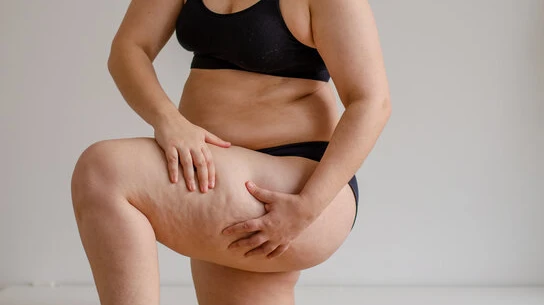
The upper arms and thighs can also have a combination of localized fat and loose skin. If skin laxity is substantial, removing fat may not create the desired contour and could sometimes make looseness more noticeable.
A professional assessment can distinguish whether excess fat, loose skin, or both are contributing to the concern.
Can Liposuction Make Loose Skin Look Worse?
In some patients with significant skin laxity, removing underlying fat without addressing the excess skin may leave the skin appearing more lax. This is why patient selection and treatment planning are important.
The surgeon evaluates skin quality and the relationship between the skin and underlying fat before recommending treatment. The objective is to choose an approach that matches the actual source of the contour concern.
What Is Recovery Like After Liposuction?
Swelling, bruising, tenderness, and temporary changes in sensation can occur after liposuction. Compression garments may be recommended to support the treated area during recovery.
As swelling gradually decreases, the skin and underlying tissues begin to settle. The final appearance develops over time rather than immediately after the procedure.
Patients should follow their surgeon's instructions regarding wound care, physical activity, compression garments, and follow-up appointments.
How Long Does It Take for the Skin to Adapt?
Skin retraction occurs gradually rather than immediately. The timeline varies according to skin elasticity, treatment area, amount of fat removed, age, and individual healing.
It can take several months for the tissues to fully settle and for the final contour to become clearer. Patience during recovery is therefore important when evaluating the result.
Can Exercise Tighten Loose Skin After Liposuction?
Exercise can strengthen underlying muscles and support overall body composition, but it cannot remove substantial excess skin. Maintaining a stable weight and healthy lifestyle can help preserve liposuction results, while significant skin laxity may require a dedicated treatment.
Patients should discuss persistent loose skin with a qualified professional rather than assuming additional fat removal will solve the issue.
Book a Consultation at Royal Clinic Saudia
If you are concerned about loose skin, localized fat, or both, an individualized consultation can help identify the underlying contour issue. Royal Clinic Saudia (عيادات رويال كلينك) can assess your skin elasticity, fat distribution, and body shape and discuss whether liposuction or another contouring approach may be appropriate.
FAQs
Does liposuction remove loose skin?
No. Liposuction removes localized fat rather than directly removing excess skin. Some skin may naturally contract afterward if it has sufficient elasticity.
Can liposuction tighten skin after weight loss?
Liposuction may improve contours when localized fat remains, but significant loose skin following major weight loss may require a procedure specifically designed to remove excess skin.
Does skin tighten naturally after liposuction?
Some degree of natural skin retraction may occur as the tissues adapt to reduced fat volume. The extent depends largely on individual skin elasticity and other factors.
What if I have both loose skin and excess fat?
A consultation can determine which concern is contributing most to the appearance. Depending on the amount of fat and skin laxity, liposuction, skin-removal surgery, or a combination approach may be considered.

Comments
Login to Comment