When Should Children Receive Dental Space Maintenance Treatm
06 Nov, 2026
6 Views 0 Like(s)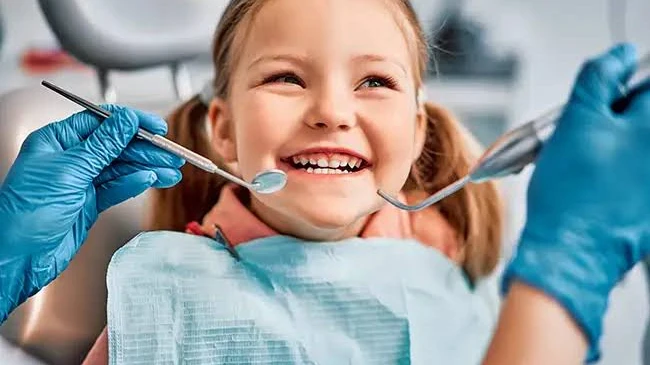
Children may need dental space maintenance when baby teeth are lost earlier than expected because of decay, extraction, or accidental injury.
A child’s baby teeth play a much bigger role than simply helping them chew and smile. They also guide permanent teeth into their correct positions as a child grows. When a baby tooth is lost earlier than expected, the surrounding teeth may shift into the empty space, leaving insufficient room for the permanent tooth to emerge properly. This is where Dental Space Maintenance in dubai becomes important, helping preserve the space needed for healthy dental development. Understanding when children need this treatment can help parents prevent future orthodontic complications and support their child's long-term oral health.
What Is Dental Space Maintenance Treatment?
Dental space maintenance is a preventive dental procedure designed to keep the gap left by a prematurely lost baby tooth open until the permanent tooth is ready to erupt.
When a primary tooth falls out naturally, its permanent replacement usually follows an expected developmental timeline. However, if a baby tooth is removed early because of severe decay, infection, or injury, nearby teeth can gradually move into the vacant space.
A space maintainer is a small dental appliance that prevents this movement and helps preserve the natural alignment of developing teeth.
How Does a Space Maintainer Work?
A dentist places a specially designed appliance in the mouth to maintain the required gap. Depending on the child's dental needs, it may be:
-
Fixed space maintainer: Attached to nearby teeth and generally not removable by the child.
-
Removable space maintainer: Designed like a small dental appliance that can be taken out for cleaning when appropriate.
-
Unilateral space maintainer: Used when a single missing tooth needs space preservation on one side.
-
Bilateral space maintainer: Designed to maintain spaces across both sides of the dental arch.
The most suitable option depends on the child's age, tooth development, oral health, and location of the missing tooth.
When Should Children Receive Space Maintenance Treatment?
Not every child who loses a baby tooth needs a space maintainer. However, early assessment is important whenever a primary tooth is lost before its expected time.
1. When a Baby Tooth Is Lost Prematurely
One of the most common reasons for space maintenance is the early loss of a primary tooth. Baby teeth usually fall out according to a natural sequence, but accidents or dental problems can interrupt this process.
If a tooth is lost several years before its permanent replacement is expected, surrounding teeth may gradually move toward the empty space. A dentist can evaluate whether an appliance is necessary to prevent this movement.
2. After Severe Tooth Decay or Extraction
Untreated cavities can damage baby teeth and sometimes make extraction necessary. When a primary molar is removed before its permanent successor is ready to emerge, maintaining the space may become particularly important.
Children with extensive tooth decay should receive regular dental assessments to identify possible problems before they affect permanent tooth alignment.
3. Following Dental Injuries
Falls, sports injuries, and accidents can cause children to lose baby teeth earlier than expected. Even when the injury appears minor, the effects on developing teeth should not be ignored.
A dental examination helps determine whether the surrounding teeth are stable and whether space maintenance is required.
Why Is Early Treatment Important?
The position of baby teeth influences how permanent teeth develop and emerge. Losing them too early can create several dental complications.
Preventing Crowding and Misalignment
When nearby teeth move into an empty gap, the permanent tooth may not have enough room to emerge correctly. This can contribute to overcrowding, rotated teeth, or misalignment.
Space maintenance helps preserve the available room and may reduce the likelihood of certain orthodontic problems.
Supporting Proper Jaw Development
Maintaining appropriate spacing supports the natural eruption pattern of permanent teeth. It also helps preserve the dental arch during important stages of childhood development.
Reducing Future Dental Complications
When adequate space is maintained, permanent teeth have a better opportunity to emerge in their intended positions. Although space maintainers cannot guarantee that orthodontic treatment will never be needed, they can help prevent complications caused by premature tooth loss.
What Factors Determine Whether a Child Needs Treatment?
A dentist considers several factors before recommending a space maintainer.
-
Child's age: Younger children may need space preservation for a longer period.
-
Location of the missing tooth: Losing a back tooth can create different spacing concerns compared with losing a front tooth.
-
Permanent tooth development: Dental X-rays may help determine how close the replacement tooth is to erupting.
-
Existing tooth alignment: The position of surrounding teeth influences treatment decisions.
-
Oral health: Healthy supporting teeth are important for successful appliance placement.
Every child has different dental development needs, so treatment should always be based on an individual examination.
How Can Parents Care for a Space Maintainer?
Good oral hygiene is essential to keep the appliance clean and comfortable.
Encourage Daily Brushing and Flossing
Children should brush twice daily using fluoride toothpaste. Parents may need to help younger children clean around the appliance to remove trapped food particles and plaque.
Avoid Sticky and Hard Foods
Chewing hard candies, ice, and sticky sweets can damage or loosen certain appliances. Choosing softer foods and maintaining balanced eating habits can help protect the device.
Attend Regular Dental Checkups
Routine visits allow the dentist to monitor the appliance, examine the surrounding teeth, and check the development of permanent teeth. A space maintainer is usually removed when the permanent tooth begins to emerge and the preserved space is no longer needed.
Conclusion
Children may need dental space maintenance when baby teeth are lost earlier than expected because of decay, extraction, or accidental injury. Early evaluation helps determine whether preserving the empty space is necessary to support healthy permanent tooth eruption. With appropriate monitoring, good oral hygiene, and timely dental care, parents can help protect their children's developing smiles. Recognizing the warning signs and seeking professional advice at the right time can make a meaningful difference in a child's long-term dental health.


Comments
Login to Comment