Can Dental Amalgam Removal Improve Your Dental Health?
06 Nov, 2026
6 Views 0 Like(s)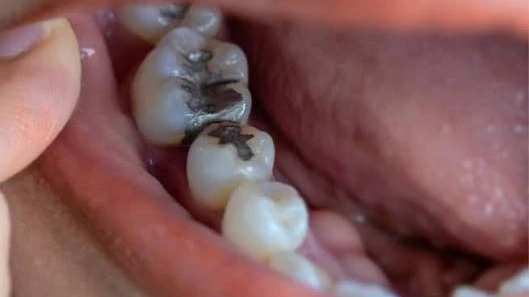
Dental amalgam removal is a dental procedure that requires careful assessment, appropriate protective techniques, and proper restoration afterward.
Dental amalgam fillings have been used for decades to repair cavities and restore damaged teeth. However, some people consider replacing these older silver-coloured fillings because of cosmetic preferences, damaged restorations, or concerns about their dental health. Understanding the procedure beforehand can make the experience more comfortable and less stressful. Choosing professional Dental Amalgam Removal in dubai allows patients to have their existing fillings assessed and, when clinically appropriate, removed using suitable dental techniques. Knowing what happens before, during, and after the procedure helps you feel confident about every step of your dental care.
Why Do People Choose Dental Amalgam Removal?
Amalgam fillings contain a mixture of metals, including mercury, silver, tin, and copper. Although dental amalgam has a long history of use, some patients prefer alternative materials for personal or dental reasons.
Common reasons for considering amalgam removal include:
-
Cosmetic improvement: Silver fillings can be noticeable when smiling or speaking.
-
Damaged fillings: Old restorations may become cracked, worn, or loose.
-
Tooth restoration: A dentist may recommend replacement when decay develops around an existing filling.
-
Personal preference: Some patients prefer tooth-coloured alternatives such as composite resin or ceramic restorations.
It is important to understand that intact amalgam fillings generally do not need to be removed simply because they contain mercury. Removal should be based on an appropriate dental assessment.
What Happens Before the Amalgam Removal Procedure?
Preparation is an essential part of the process. Before removing an amalgam filling, your dentist will examine your teeth and discuss your expectations.
Initial Dental Examination
The dentist checks the condition of the existing filling, surrounding enamel, and underlying tooth structure. Dental X-rays may be recommended to identify hidden decay, cracks, or other problems that are not visible during a routine examination.
This assessment helps determine whether removal is necessary and which replacement material would be suitable.
Discussing Your Treatment Options
Your dentist will explain the available alternatives, including composite resin, porcelain, or other appropriate restorative materials. The choice depends on the size of the filling, the location of the tooth, and the amount of healthy tooth structure remaining.
You can also discuss any concerns about the procedure, possible sensitivity, and expected recovery.
What Should You Expect During Dental Amalgam Removal?
The actual procedure depends on the size and location of the filling. However, dentists generally follow several steps to remove the existing material and prepare the tooth for restoration.
1. Preparing the Treatment Area
Before starting, the dentist makes sure you are comfortable. Local anaesthesia may be administered to prevent pain during the procedure, particularly if the tooth is sensitive or requires additional treatment.
Appropriate protective measures may also be used to minimise exposure to amalgam particles and vapour during removal.
2. Removing the Existing Filling
The dentist carefully uses specialised dental instruments to remove the amalgam filling. Sectioning the filling into smaller pieces can help reduce the amount of material disturbed during removal.
High-volume suction and appropriate isolation techniques may be used to manage debris and vapour. These precautions help maintain a controlled treatment environment.
3. Cleaning and Inspecting the Tooth
Once the filling has been removed, the dentist examines the tooth carefully. Any remaining damaged or decayed tissue may need treatment before a new restoration is placed.
The goal is to preserve as much healthy natural tooth structure as possible while creating a suitable foundation for the replacement filling.
4. Placing a New Restoration
After preparing the tooth, the dentist may recommend a tooth-coloured composite filling or another suitable restorative material.
The replacement is shaped to match the natural contours of the tooth. The dentist also checks your bite to ensure that the restoration feels comfortable when you chew.
Is Dental Amalgam Removal Painful?
Many patients worry about discomfort during amalgam removal. Fortunately, local anaesthesia can make the procedure comfortable by numbing the treatment area.
You may experience pressure, vibrations, or unusual sounds from dental instruments, but these sensations do not necessarily indicate pain.
After the anaesthesia wears off, mild sensitivity or tenderness may occur. This usually improves with time. However, persistent pain or increasing discomfort should be discussed with your dentist.
What Happens After the Procedure?
Recovery is generally straightforward, although it depends on the condition of the tooth and the type of replacement restoration.
Follow Your Dentist's Instructions
Your dentist may recommend avoiding very hard or sticky foods until the treated tooth feels comfortable. If local anaesthesia was used, wait until normal sensation returns before chewing to avoid accidentally biting your cheek or tongue.
Maintain Proper Oral Hygiene
Brush twice daily with fluoride toothpaste and clean between your teeth regularly. Maintaining good oral hygiene helps protect the new restoration and surrounding teeth from future decay.
Monitor Tooth Sensitivity
Some temporary sensitivity to hot, cold, or pressure may occur after treatment. If symptoms become severe or do not improve, arrange a dental follow-up.
How Can You Make the Procedure More Comfortable?
A few simple steps can help you prepare for your appointment:
-
Share your dental history and any existing concerns with your dentist.
-
Ask about the protective measures used during amalgam removal.
-
Discuss suitable replacement materials before treatment.
-
Follow all pre-treatment and aftercare instructions.
-
Attend recommended follow-up appointments.
Choosing an experienced dental professional and understanding the procedure can help reduce uncertainty and improve your overall experience.
Is Dental Amalgam Removal Right for Everyone?
Not every patient needs amalgam removal. Healthy, intact fillings can often remain in place without requiring replacement. Removing an otherwise functional filling may unnecessarily sacrifice healthy tooth structure and introduce additional treatment risks.
A professional examination is therefore essential before making a decision. Your dentist can evaluate the condition of your fillings and recommend treatment based on your individual dental needs.
Conclusion
Dental amalgam removal is a dental procedure that requires careful assessment, appropriate protective techniques, and proper restoration afterward. From the initial examination to the placement of a replacement filling, every stage plays an important role in protecting the tooth and maintaining oral health. Understanding what to expect can make the experience less intimidating and help you make informed decisions about your smile. If you have damaged, worn, or cosmetically undesirable amalgam fillings, consulting a qualified dental professional can help you determine whether replacement is necessary and which treatment option is most appropriate.



Comments
Login to Comment