How Safe Is Annapurna Base Camp Trek? A Complete Guide
06 Nov, 2026
3 Views 0 Like(s)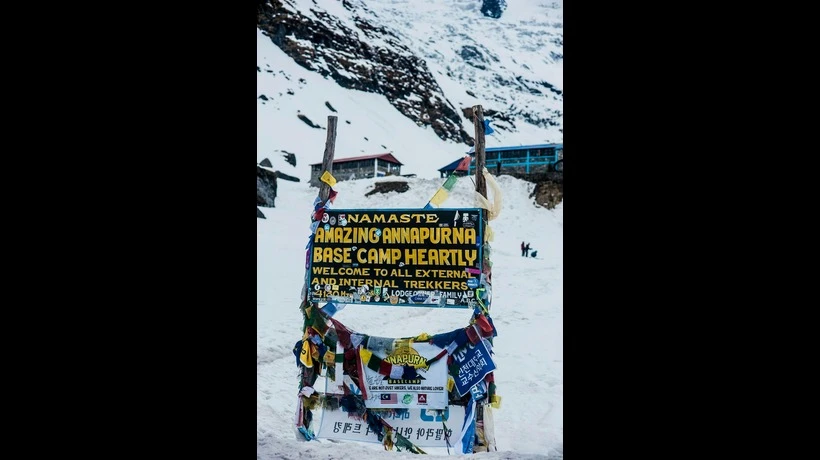
Discover the breathtaking beauty of the Annapurna Base Camp Trek, where stunning mountain views, peaceful forests, and charming villages create an unforgettable
Imagine walking through green forests, crossing beautiful rivers, and watching snowy mountains rise above you. Sounds exciting, right? The Annapurna Base Camp trek is one of the most popular adventures in Nepal. It offers stunning mountain views, charming villages, and rich local culture. But many first-time trekkers ask one important question: Is it safe? The good news is that this trek can be safe and enjoyable with proper planning, the right gear, and good preparation.
Is Annapurna Base Camp Trek Safe for Beginners?
Yes, the Annapurna Base Camp Trek is generally safe for beginners who are fit and well-prepared. You do not need to be a professional climber to complete it. However, you should be ready to walk for several hours each day on mountain trails.
The trek reaches an altitude of about 4,130 meters. At this height, the air has less oxygen, and some people may feel tired, dizzy, or short of breath. These can be signs of altitude sickness. Walking slowly, taking rest days when needed, and drinking enough water can help your body adjust.
Beginners should also choose a suitable itinerary. Rushing through the trek can increase the risk of health problems.
Understand the Weather and Trail Conditions
Weather plays a big role in trekking safety. Conditions in the Annapurna region can change quickly. Rain, snow, strong winds, and cold temperatures may make the trails harder to walk.
Spring (March to May) and autumn (September to November) are usually the best seasons for this trek. During these months, the weather is often more stable, and mountain views are clear.
Winter can bring heavy snow to higher areas, while the monsoon season can make trails muddy and slippery. Before starting your journey, check the weather forecast and local trail conditions.
Prepare Your Body Before the Trek
Good fitness makes your trek safer and more enjoyable. You do not need to be an athlete, but you should prepare your body before arriving in Nepal.
Start walking regularly a few weeks before your trip. You can also try hiking, cycling, swimming, or climbing stairs. These activities help build strength and improve your stamina.
Practice walking with a backpack so your body gets used to carrying some weight. Strong legs and good balance will help you manage uphill and downhill trails.
Pack the Right Trekking Gear
The right equipment can protect you from cold weather and rough trails. Make sure you have these important items:
-
Comfortable and waterproof trekking boots.
-
Warm clothes and thermal layers.
-
A waterproof jacket and rain cover.
-
A warm sleeping bag suitable for cold conditions.
-
A reusable water bottle and water purification tablets.
-
A first-aid kit and personal medicines.
-
Sunscreen, sunglasses, and a warm hat.
Good trekking gear helps you stay warm, dry, and comfortable during the journey.
Follow Important Safety Tips on the Trail
Small steps can make a big difference to your safety. Always walk at a steady pace and avoid rushing to reach your next stop. Take regular breaks and listen to your body.
Here are some useful safety tips:
-
Drink enough clean water throughout the day.
-
Eat healthy meals to keep your energy levels up.
-
Never ignore signs of altitude sickness.
-
Stay with your guide or trekking group.
-
Check trail conditions before starting each day.
-
Keep emergency contacts and travel insurance details with you.
If you develop a headache, nausea, dizziness, or unusual tiredness at altitude, tell your guide. If symptoms get worse, stop ascending and descend. Severe symptoms need urgent medical help.
Why Trek with Amble Himalaya?
Good support can make a big difference, especially for first-time trekkers. Amble Himalaya offers well-planned Annapurna Base Camp Trek packages to help travelers enjoy a smooth and memorable journey.
Their services include experienced trekking guides, accommodation arrangements, transportation support, and travel planning. Their team helps trekkers understand the route, prepare for changing mountain conditions, and learn about local culture along the way.
With proper guidance and a suitable itinerary, beginners can feel more confident as they explore the beautiful Annapurna region.
Final Thoughts
So, how safe is the Annapurna Base Camp Trek? It is generally a safe trekking adventure when you prepare well, choose the right season, and follow good safety practices. However, mountain travel always comes with some risks, and no trek is completely risk-free.
Take your time, listen to your body, and respect the mountains. With the right preparation and support, you can enjoy an unforgettable journey to the heart of the Himalayas!



Comments
Login to Comment