When Can You Expect Results From Hair Loss Treatment?
06 Nov, 2026
4 Views 0 Like(s)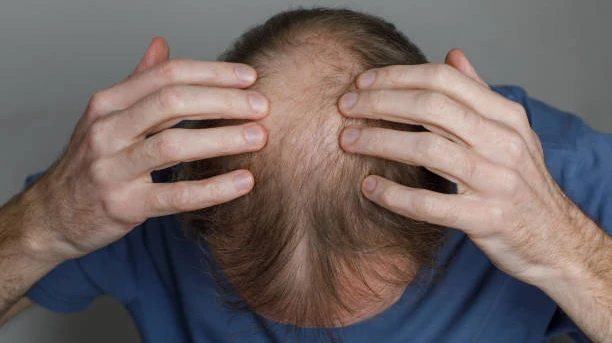
Hair Loss Treatment in Riyadh offers different options to manage hair thinning and support hair growth. Learn about modern treatments tailored to your hair conc
Hair loss can affect your appearance and confidence, making it natural to wonder how long it will take before a treatment starts showing results. Hair regrowth is a gradual process, and the timeline depends on the cause of hair loss, the treatment method, and how your body responds. Understanding these factors can help you develop realistic expectations when considering Hair Loss Treatment in Riyadh.
Some patients may notice reduced shedding within a few months, while visible improvements in hair density can take longer. Treatments such as minoxidil, platelet-rich plasma (PRP), and low-level laser therapy follow different timelines. With professional Hair Loss Treatment in Riyadh, patients can receive an individualized treatment plan and guidance on monitoring progress over time.
How Long Does Hair Take to Respond to Treatment?
Hair grows through a natural cycle that includes growth, transition, resting, and shedding phases. Because these stages take time, treatments cannot usually produce immediate results.
Hair follicles need time to respond to treatment and produce new strands. Even after the underlying cause of hair loss has been addressed, visible regrowth may take several months. The amount of improvement also depends on whether the follicles remain healthy and capable of producing hair.
When Can You Expect Results From Different Hair Loss Treatments?
Different treatments work in different ways, so their expected timelines are not the same. Here is a general overview of when patients may notice changes.
1. Minoxidil Treatment
Minoxidil is a commonly used medication for certain types of pattern hair loss. It helps support hair growth and may improve hair density in suitable patients.
Some people begin noticing early changes after three to six months of consistent use. More noticeable improvement may take six to twelve months. Temporary increased shedding can occur during the initial stage of treatment.
Minoxidil generally needs to be continued to maintain its benefits. Stopping treatment may result in the loss of hair gained during use.
2. Platelet-Rich Plasma (PRP) Therapy
PRP therapy uses a concentrated preparation of platelets obtained from the patient's own blood. It is injected into selected scalp areas as a treatment option for certain types of hair thinning.
Some patients may notice changes in shedding or hair quality after a few months, while visible improvements in density can take three to six months or longer. Results vary, and research does not establish one standard treatment schedule for everyone.
3. Mesotherapy Treatment
Mesotherapy involves injecting selected substances into the superficial layers of the scalp. Its ingredients and treatment protocols vary between providers.
The timeline for results is not well established because evidence supporting many mesotherapy formulations remains limited. Patients should discuss the specific ingredients, possible side effects, and available evidence before starting treatment.
4. Low-Level Laser Therapy
Low-level laser therapy uses specific light wavelengths to support hair growth in selected patients, particularly those with certain forms of pattern hair loss.
It usually requires regular use over several months. Some patients may notice changes after approximately three to six months, although results depend on the device, treatment schedule, and individual response. Consistency is important when following an approved protocol.
5. Hair Transplantation
Hair transplantation involves moving hair follicles from a donor area to areas affected by thinning or baldness. The transplanted hair commonly sheds during the first few weeks, which is a normal part of the process.
New growth often begins to become noticeable after three to four months. More visible improvement generally develops over six to nine months, while fuller results may take around nine to twelve months or longer.
What Factors Affect Hair Regrowth Results?
Not everyone experiences the same results. Several factors can influence how quickly hair responds to treatment.
Cause of Hair Loss
The underlying condition is one of the most important factors. Temporary shedding caused by stress or illness may improve after the trigger is resolved. Genetic pattern hair loss often requires ongoing treatment to maintain results.
Severity and Duration of Hair Thinning
People with early hair thinning may respond differently from those with advanced hair loss. Long-standing conditions and permanently damaged follicles may limit the amount of regrowth possible.
Age and General Health
Overall health, hormonal balance, nutritional status, and certain medical conditions may influence the hair growth cycle. Addressing underlying health concerns can be an important part of treatment.
Treatment Consistency
Following the recommended treatment schedule is essential. Skipping appointments, using medication incorrectly, or stopping treatment without medical guidance may affect the outcome.
How Can You Tell If Hair Loss Treatment Is Working?
Hair regrowth may be gradual, so changes can be difficult to notice from day to day. Instead of relying only on appearance, monitor your progress over time.
Common signs of improvement may include:
-
Reduced hair shedding during washing or brushing.
-
Small new hairs appearing in thinning areas.
-
Improved hair coverage or density.
-
Less visible scalp in previously affected areas.
-
Stronger-looking hair strands.
Taking photographs under similar lighting conditions every few months can help you compare changes more accurately. Your specialist may also use scalp examinations or other assessments to monitor progress.
Why Is Patience Important During Hair Loss Treatment?
Hair follicles follow a slow biological cycle, which means treatment requires time to produce visible changes. Expecting immediate results may lead to unnecessary concern or premature discontinuation.
Some treatments initially cause temporary shedding before improvement becomes noticeable. However, persistent or severe shedding should be discussed with a dermatologist rather than automatically assumed to be a normal treatment response.
It is important to understand that not every patient achieves complete hair regrowth. Treatment goals may include slowing further loss, improving density, reducing shedding, or maintaining existing hair.
When Should You Review Your Treatment Progress?
Follow-up appointments help determine whether a treatment is working as expected. If there is little improvement after an appropriate period, the specialist may review the diagnosis, check treatment consistency, or investigate other contributing factors.
Professional Hair Loss Treatment in Riyadh can help identify the most suitable approach and establish realistic expectations for your hair regrowth journey. A personalized plan allows treatment progress to be monitored and adjusted according to your individual response.
Book Your Hair Consultation at Royal Clinic Saudia
If you are experiencing hair thinning or want to understand how long treatment may take, Royal Clinic Saudia can help you explore your concerns through a professional consultation. A specialist can assess your scalp, discuss suitable options, and explain the expected treatment timeline. Schedule an appointment to discuss your hair restoration goals.
FAQs:
How many months does hair loss treatment take to show results?
Some treatments may show early changes within three to six months, while noticeable improvements in hair density can take six to twelve months or longer. The timeline depends on the cause of hair loss and the treatment used.
Can hair loss treatment show results in one month?
Significant hair regrowth within one month is unlikely because hair follicles need time to complete their growth cycle. Some early changes may occur, but visible improvement generally requires consistent treatment over several months.
Does hair fall increase before regrowth begins?
Some treatments, particularly minoxidil, can cause temporary increased shedding during the early stages. However, not all treatments cause this response. Persistent or excessive shedding should be evaluated by a healthcare professional.
What happens if hair loss treatment does not show results?
If there is little improvement after the recommended treatment period, a dermatologist may reassess the diagnosis, treatment method, and possible underlying health conditions. The treatment plan may then be adjusted according to your needs.



Comments
Login to Comment