What skin concerns can Endolift Treatment address?
23 Oct, 2026
26 Views 0 Like(s)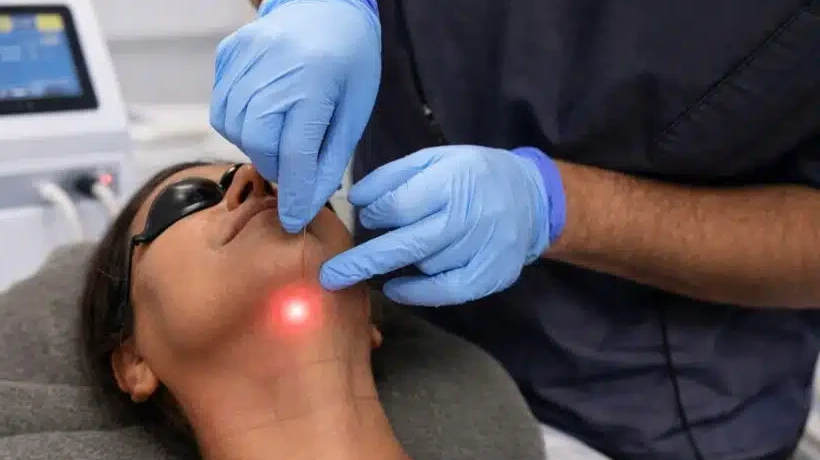
Discover whether Endolift Treatment suits all skin types, with insights into skin tone, safety considerations, treatment suitability, and expected results.
Endolift Treatment is a minimally invasive laser procedure that may help improve skin firmness and refine facial contours in selected patients. It uses a fine optical fibre inserted beneath the skin to deliver controlled laser energy to targeted tissues. People exploring إندوليفت في دبي may consider this procedure for concerns such as mild skin laxity, reduced jawline definition, and certain areas of localised fullness. However, suitability depends on individual anatomy, skin condition, and treatment goals. Understanding what Endolift can and cannot address is essential for setting realistic expectations.
How Does Endolift Treatment Work?
Endolift delivers laser energy beneath the skin through a very fine optical fibre. The resulting thermal effect may encourage tissue remodelling and collagen-related changes that can improve the appearance of skin firmness.
Depending on the treatment plan, the procedure may also be considered for selected areas of localised fullness. However, it is not a weight-loss treatment, and results are not guaranteed. The degree of improvement varies between individuals, and the clinical evidence supporting Endolift is still developing.
What Skin Concerns Can Endolift Address?
Mild to Moderate Skin Laxity:
One of the main concerns Endolift may address is mild to moderate skin laxity. As people age, the skin gradually loses some of its elasticity and structural support, which can contribute to sagging around the lower face, cheeks, and jawline.
Endolift may help improve the appearance of looseness in carefully selected patients by producing a controlled thermal effect beneath the skin. People with substantial excess skin may need to consider other options, including a surgical consultation.
Reduced Jawline Definition:
Changes in skin firmness and the distribution of tissue around the lower face can make the jawline appear less defined. Endolift may be considered for selected patients who want to improve the appearance of this area without undergoing a traditional surgical procedure.
The outcome depends on several factors, including skin elasticity, facial anatomy, and whether the concern is primarily caused by loose skin or excess tissue. A practitioner should assess these factors before recommending treatment.
Fullness Beneath the Chin:
Some individuals experience fullness beneath the chin, which can affect the appearance of the lower face and neck. In suitable cases, Endolift may be considered when mild localised fullness and skin laxity contribute to the concern.
It is important to understand that not every type of fullness responds in the same way. Significant fat deposits, substantial loose skin, or anatomical factors may require a different approach. A qualified practitioner can explain whether Endolift is appropriate or whether another treatment would be more suitable.
Changes in Lower Cheek Contours:
The lower cheeks can lose definition as facial tissues change with age. Mild laxity may contribute to a heavier appearance around the lower face.
Endolift may be considered to improve selected contour concerns by targeting tissue beneath the skin. However, it cannot reliably correct every cause of facial sagging, and the outcome depends on the individual's anatomy and the treatment plan.
Early Signs of Ageing:
Early ageing changes can include reduced skin firmness, subtle sagging, and less defined facial contours. Some people explore Endolift as an alternative to more invasive procedures when these changes are relatively mild.
The procedure may support gradual tissue remodelling, but it should not be viewed as a complete solution for wrinkles, deep folds, or advanced ageing changes. Other treatments may be more appropriate depending on the specific concern.
Can Endolift Treat Wrinkles and Fine Lines?
Endolift may improve the appearance of certain skin changes associated with reduced firmness, but it is not primarily a surface-based wrinkle treatment. Fine lines and wrinkles can develop because of sun exposure, repeated facial movements, dehydration, and changes in collagen and elastin.
The most appropriate treatment depends on the cause and depth of the lines. A practitioner may discuss skincare, other laser procedures, injectables, or alternative treatments when Endolift is unlikely to provide the desired improvement.
Who May Be a Suitable Candidate?
A suitable candidate may be someone with selected areas of mild skin laxity or reduced facial contour definition who prefers a minimally invasive approach. A consultation should include a review of medical history, medications, skin condition, and treatment expectations.
Endolift may be less suitable for people with significant excess skin or those expecting dramatic surgical-level lifting. Certain medical conditions, active skin infections, or other individual factors may also affect suitability.
Before proceeding, patients should understand the potential benefits, limitations, alternatives, and possible complications.
What Results Can Patients Expect?
Results vary according to the treatment area, the practitioner's technique, individual healing, and the underlying cause of the concern. Some changes may become noticeable earlier, while improvements associated with tissue remodelling may develop gradually.
Endolift should not be presented as a guaranteed or permanent solution. Natural ageing continues after treatment, and the available evidence does not establish identical outcomes for every patient.
Before treatment, ask the practitioner what degree of improvement is realistic, when results may become apparent, and whether additional treatment or follow-up may be appropriate.
What Are the Possible Risks?
Endolift involves inserting a fibre beneath the skin and delivering laser energy into tissue, so it is not risk-free. Possible side effects include swelling, bruising, redness, tenderness, and temporary changes in sensation.
Less common but more serious complications may include burns, infection, nerve injury, or uneven contours. Choosing an appropriately qualified practitioner, following preparation and aftercare instructions, and attending recommended follow-up appointments can help support safer care.
Seek prompt medical advice if you experience severe or worsening pain, increasing swelling, spreading redness, fever, or other unexpected symptoms after treatment.
Frequently Asked Questions:
Can Endolift tighten loose skin?
Endolift may improve the appearance of mild to moderate skin laxity in selected patients. Significant sagging or excess skin may require a different treatment.
Does Endolift help with a double chin?
It may be considered for selected cases involving mild fullness beneath the chin or skin laxity. Suitability depends on whether the concern is caused by fat, loose skin, or other anatomical factors.
Can Endolift remove deep wrinkles?
Endolift is not primarily designed to remove deep wrinkles. A practitioner can assess the cause of the wrinkles and discuss more suitable treatment options if needed.
Is Endolift suitable for every skin type?
Not necessarily. Suitability depends on individual skin characteristics, medical history, anatomy, and the proposed treatment. A professional assessment is important before proceeding.
How long do Endolift results last?
The duration varies between individuals, and long-term outcomes are not guaranteed. Natural ageing continues, so patients should discuss realistic expectations and follow-up with their practitioner.
Conclusion:
Endolift Treatment may help address selected skin concerns, including mild to moderate laxity, reduced jawline definition, certain lower-cheek contour changes, and some cases of localised fullness beneath the chin. However, it cannot correct every wrinkle, remove substantial excess skin, or guarantee permanent results. A consultation with a qualified medical professional is the best way to determine whether Endolift suits your skin concerns and to compare its potential benefits with the risks and available alternatives.
Comments
Login to Comment