What Are the Signs You Need Wisdom Tooth Extraction?
24 Oct, 2026
9 Views 0 Like(s)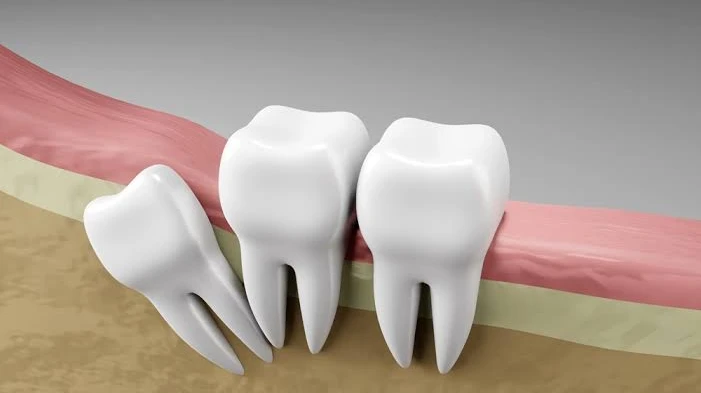
Wisdom teeth do not always need to be removed, but persistent pain, swollen gums, recurring infections, difficulty opening your mouth, and damage to nearby teeth can indicate a problem. Early assessment helps identify complications before they become more serious.
Wisdom teeth are the last set of molars to emerge, usually appearing during the late teenage years or early adulthood. While some people experience no problems, others develop pain, swelling, or infections when these teeth do not have enough room to grow properly. Recognizing the warning signs early can help prevent complications and protect your oral health. If you are considering Wisdom Tooth Extraction in dubai, understanding the symptoms that indicate a problem can help you decide when to seek a dental evaluation and receive appropriate treatment.
1. Persistent Pain at the Back of Your Mouth
One of the most common signs of a problematic wisdom tooth is persistent discomfort at the back of the mouth. The pain may begin as a mild ache and gradually become more intense, particularly when chewing or opening your mouth.
When Should You Be Concerned?
Occasional discomfort during tooth eruption may not indicate a serious problem. However, pain that continues for several days, returns frequently, or spreads toward the jaw and ear deserves professional attention.
An impacted wisdom tooth, which remains trapped beneath the gums or grows at an unusual angle, can place pressure on surrounding tissues. A dental examination can help determine whether extraction is necessary.
2. Swollen, Red, or Bleeding Gums
Swollen gums around a wisdom tooth can indicate inflammation or infection. When a tooth partially emerges, a flap of gum tissue may cover part of its surface. Food particles and bacteria can become trapped underneath, creating an environment where infection develops.
Signs of Gum Infection
Watch for symptoms such as:
-
Redness and swelling around the back molars.
-
Tenderness when brushing or chewing.
-
Bleeding gums near the emerging tooth.
-
An unpleasant taste or persistent bad breath.
-
Pus or discharge around the gum tissue.
This condition, known as pericoronitis, can cause significant discomfort. Depending on its severity and whether the wisdom tooth can erupt properly, a dentist may recommend cleaning, other treatment, or extraction.
3. Difficulty Opening Your Mouth
If opening your mouth becomes uncomfortable or difficult, an inflamed or infected wisdom tooth could be responsible. Swelling around the jaw may limit movement, making everyday activities such as eating, speaking, and brushing your teeth more challenging.
Pay attention if jaw stiffness develops alongside pain, swollen gums, or difficulty chewing. These symptoms should not be ignored, particularly if they worsen over time.
Severe difficulty opening your mouth, facial swelling, fever, or rapidly worsening pain requires urgent dental assessment. If you experience difficulty swallowing or breathing, seek emergency medical care immediately.
4. Food Frequently Gets Trapped Around the Tooth
Wisdom teeth that emerge only partially can create small spaces where food and bacteria accumulate. Even careful brushing may not completely clean these areas, especially when the tooth is positioned far back in the mouth.
Repeated food trapping can contribute to gum inflammation, unpleasant breath, and tooth decay. Sometimes, the wisdom tooth develops cavities that are difficult to treat because of its location.
A dentist can assess whether improved cleaning is sufficient or whether extraction would provide a better long-term solution.
5. Damage or Pressure on Nearby Teeth
Wisdom teeth sometimes grow sideways or push against the neighboring molars. This abnormal positioning may contribute to localized discomfort, food trapping, gum problems, or damage to the adjacent tooth.
Although wisdom teeth do not always cause crowding, an impacted tooth can create complications that require treatment.
Dental X-rays help reveal the tooth's position, its relationship to nearby roots, and any signs of decay or other problems. Based on these findings, your dentist can explain whether monitoring or removal is the most appropriate option.
6. Repeated Infections or Persistent Bad Breath
Recurring infections around a wisdom tooth may indicate that the area is difficult to clean or that the tooth cannot erupt normally. Bad breath and an unpleasant taste can also develop when bacteria accumulate beneath the gum flap.
Maintaining good oral hygiene may reduce bacterial buildup, but repeated symptoms often require professional evaluation.
If an infection keeps returning, extraction may be recommended to address the underlying cause. Antibiotics may be necessary in selected cases, but they do not correct the position of an impacted tooth.
What Happens During a Wisdom Tooth Examination?
A dental assessment usually begins with a review of your symptoms, medical history, and oral health. The dentist examines the gums, checks for swelling or decay, and may request X-rays to understand the tooth's position.
If extraction is recommended, the procedure depends on whether the tooth has fully erupted or remains beneath the gum or bone. Local anesthesia is commonly used, and some impacted teeth require a minor surgical procedure.
Your dentist will explain the expected recovery period and provide instructions for managing swelling, eating comfortably, and keeping the area clean.
How Can You Care for Your Mouth After Extraction?
Following the dentist's instructions can support healing and reduce the risk of complications.
-
Eat soft foods during the initial recovery period.
-
Avoid smoking and using straws while the extraction site heals.
-
Keep your mouth clean, following your dentist's guidance.
-
Avoid vigorous rinsing immediately after the procedure.
-
Take prescribed or recommended medication as directed.
Contact your dentist if you develop worsening pain, persistent bleeding, fever, or increasing swelling after extraction.
Conclusion
Wisdom teeth do not always need to be removed, but persistent pain, swollen gums, recurring infections, difficulty opening your mouth, and damage to nearby teeth can indicate a problem. Early assessment helps identify complications before they become more serious.
If you notice these warning signs, arrange a dental examination to understand the cause of your symptoms. With the right evaluation and treatment plan, you can protect your oral health, relieve discomfort, and make an informed decision about whether wisdom tooth extraction is necessary.


Comments
Login to Comment