What Should You Expect After Root Canal Treatment?
24 Oct, 2026
12 Views 0 Like(s)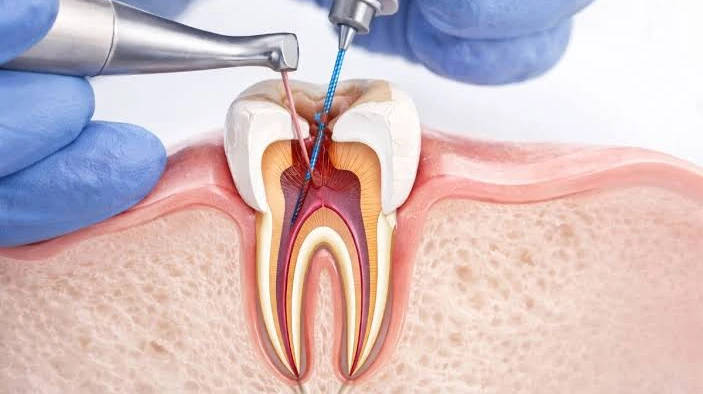
Maintaining good oral hygiene, brushing twice daily, flossing regularly, and attending dental check-ups can help protect your treated tooth and surrounding teeth.
A toothache can disrupt your daily routine, making it difficult to eat, sleep, or concentrate on work. When the inner pulp of a tooth becomes infected or inflamed, a root canal may be necessary to relieve discomfort and preserve the natural tooth. Many patients wonder how much time they need to set aside for the procedure and whether they can complete it in one visit. Understanding the process of Root Canal treatment in dubai can help you feel more prepared, reduce anxiety, and make informed decisions about your dental health. Although treatment times vary, most root canals can be completed in one or two appointments, depending on the tooth's condition and the complexity of the procedure.
How Long Does a Root Canal Procedure Take?
A root canal generally takes between 30 and 90 minutes per appointment. However, some complicated cases may require additional time or multiple visits. The exact duration depends on the tooth's location, the number of root canals inside it, and the severity of the infection.
Treatment Time for Different Teeth
Different teeth have different internal structures, which can affect the time required for treatment.
- Front teeth: These usually have one root canal and may take approximately 30–60 minutes.
- Premolars: These teeth may have one or two canals, often requiring around 45–75 minutes.
- Molars: Located at the back of the mouth, molars usually have more canals and may take 60–90 minutes or longer.
These estimates are general guidelines rather than fixed appointment lengths. Your dentist will assess your tooth before estimating how long your procedure is likely to take.
What Happens During a Root Canal Appointment?
Knowing what happens during the procedure can make the experience less intimidating. A root canal is designed to remove infected tissue, clean the inside of the tooth, and seal it to prevent further infection.
1. Examination and X-Rays
The dentist examines the affected tooth and may take dental X-rays to evaluate the roots, surrounding bone, and extent of the infection. This initial assessment helps determine the appropriate treatment approach.
2. Local Anaesthesia
Local anaesthesia is administered to numb the affected area. This helps minimise pain during the procedure, although you may still experience pressure or vibrations from dental instruments.
3. Removing the Infected Pulp
The dentist creates a small opening in the tooth and carefully removes the infected or inflamed pulp. This step is essential for eliminating the source of infection and preserving the remaining tooth structure.
4. Cleaning and Sealing the Canals
The root canals are cleaned, shaped, and disinfected before being filled with a suitable material. The tooth is then sealed with a temporary or permanent restoration, depending on the treatment plan.
5. Final Restoration
Some teeth require a dental crown after root canal treatment to restore strength and protect against fractures. The crown may be placed during a separate appointment.
Why Do Some Root Canals Take Longer?
Not every root canal follows the same timeline. Several factors can influence how long the treatment takes.
Severity of the Infection
If the infection is extensive or an abscess is present, the dentist may need additional time to manage the condition. In some cases, medication or an intermediate dressing may be recommended before completing the treatment.
Number and Shape of Root Canals
Some teeth have narrow, curved, or unusually positioned canals. These structures can make cleaning and shaping more challenging, increasing the time required.
Previous Dental Treatment
A tooth that has undergone root canal treatment before may need a procedure called retreatment. Removing previous filling materials, locating missed canals, and addressing persistent infection can make this process more complicated.
Need for Multiple Visits
Many straightforward root canals can be completed in a single visit. However, when the infection is severe or the procedure is complex, the dentist may recommend two or more appointments to support appropriate treatment.
Does Root Canal Treatment Hurt?
One of the most common concerns about root canals is pain. Modern dental techniques and local anaesthesia generally make the procedure manageable for most patients. In fact, treatment often helps relieve the pain caused by an infected tooth.
After the appointment, mild tenderness or sensitivity may occur for several days, particularly when biting or chewing. This discomfort usually improves gradually. Your dentist can recommend appropriate aftercare and pain relief based on your individual needs.
If you experience severe or worsening pain, increasing swelling, fever, or difficulty swallowing, contact a dental professional promptly.
How Can You Prepare for Your Appointment?
A little preparation can help your appointment go more smoothly and reduce unnecessary stress.
- Follow your dentist's instructions before treatment.
- Eat beforehand if advised, especially when local anaesthesia is planned.
- Inform your dentist about your medications, allergies, and medical history.
- Ask whether you will need a temporary filling or a crown afterward.
- Allow enough time for the appointment rather than scheduling another activity immediately afterward.
Following the recommended aftercare instructions can also help protect the treated tooth while it heals.
Can You Return to Normal Activities After a Root Canal?
Most patients can resume normal daily activities relatively quickly, depending on the treatment and their comfort level. However, it is best to avoid chewing hard or sticky foods with the treated tooth until your dentist confirms that it is safe.
If a temporary filling has been placed, take extra care when eating. Completing any recommended permanent restoration is important because a treated tooth may become more vulnerable to fractures, especially if significant tooth structure has been lost.
Maintaining good oral hygiene, brushing twice daily, flossing regularly, and attending dental check-ups can help protect your treated tooth and surrounding teeth.
Conclusion
Root canal treatment usually takes between 30 and 90 minutes per appointment, although complex cases may require longer sessions or multiple visits. The duration depends on the tooth's anatomy, the severity of the infection, and whether additional restoration is necessary. With proper examination, effective anaesthesia, and appropriate aftercare, root canal treatment can help preserve your natural tooth and restore comfortable chewing. If you have persistent tooth pain or sensitivity, consult a qualified dentist to determine the cause and discuss the most suitable treatment plan.


Comments
Login to Comment