What Should You Know About Cyst Removal on the Forehead?
29 Oct, 2026
11 Views 0 Like(s)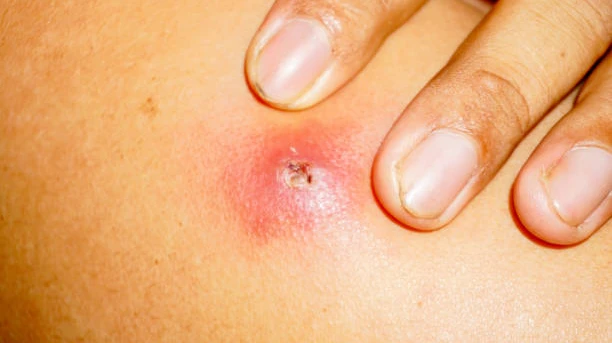
Sebaceous Cyst Removal in Riyadh can help address bothersome skin lumps through an appropriate medical procedure. Discover the benefits of professional evaluation, safe removal, and proper aftercare.
A cyst on the forehead can become a noticeable skin concern, especially when it gradually grows, causes discomfort, or affects facial appearance. These lumps are often benign, but identifying their type is important before choosing a treatment. Epidermoid cysts, pilar cysts, and other skin growths can sometimes look similar, making professional assessment an important first step. Sebaceous cyst removal in Riyadh (إزالة الكيس الدهني في الرياض) is an option for people seeking medical evaluation and suitable treatment for a persistent or bothersome forehead lump.
Because the forehead is a visible area, many people want to understand how cyst removal works, whether it leaves a scar, and how long recovery may take. The appropriate approach depends on the lump's size, location, depth, and condition. Learning about the assessment process, available treatment options, and aftercare can help you make informed decisions and understand what to expect from a procedure.
What Causes Cysts to Develop on the Forehead?
Cysts can form when skin cells become trapped beneath the surface and continue producing keratin, creating a small sac under the skin. These growths are commonly called sebaceous cysts, although many are medically classified as epidermoid cysts. They may develop spontaneously or sometimes follow skin injuries or changes affecting a hair follicle.
Other forehead lumps may be caused by acne-related nodules, inflamed follicles, lipomas, or different skin growths. Their appearance can overlap, so it is important not to assume that every rounded bump is a cyst. A clinician can examine the area and determine whether further investigation is needed before treatment.
When Should You Consider Forehead Cyst Removal?
Not every forehead cyst requires immediate removal. If a clinician confirms that the lump is benign, small, and symptom-free, monitoring may be an appropriate option. However, treatment may be considered when the cyst becomes troublesome or changes over time.
Common reasons to seek assessment include:
-
Gradual enlargement: A growing cyst may become more noticeable or uncomfortable.
-
Repeated inflammation: Redness, tenderness, or swelling can make the lump more difficult to manage.
-
Recurrence: A cyst that returns after previous treatment may need reassessment.
-
Cosmetic concerns: A visible forehead lump may affect confidence or cause concern about facial appearance.
-
Diagnostic uncertainty: A lump that does not have typical cyst features may require further examination.
A clinician can help determine whether removal is appropriate and whether the procedure should be delayed if the cyst is inflamed.
How Is a Cyst on the Forehead Diagnosed?
Before recommending removal, a healthcare professional usually examines the lump and asks about its history. Important details include when it appeared, whether it has grown, whether it causes pain, and whether similar lumps have developed elsewhere.
The clinician may assess the lump's size, texture, mobility, and relationship to the surrounding skin. If the diagnosis is unclear, imaging or other investigations may be considered. In some cases, tissue removed during a procedure is sent for histopathological examination to confirm the diagnosis.
This assessment helps distinguish an epidermoid cyst from other forehead lumps and supports a treatment plan suited to the specific condition.
What Happens During Forehead Cyst Removal?
The procedure depends on the cyst's size, location, depth, and whether it is inflamed. For a suitable superficial cyst, removal is commonly performed using a minor surgical technique under local anaesthesia.
Preparing for the Procedure
The clinician examines the area and explains the proposed treatment, expected healing, possible scar, and potential complications. They may also review medications, allergies, medical history, and any factors that could affect healing.
Removing the Cyst
After the area is cleaned and numbed, the clinician makes an incision appropriate to the cyst and works to remove it. When feasible, removing the entire cyst wall helps reduce the chance of the same cyst returning. The incision may be closed with stitches or managed using another suitable technique.
Completing the Treatment
The area is cleaned and dressed according to the procedure performed. The clinician provides instructions on wound care, activity, and follow-up. If the cyst is severely inflamed or infected, definitive removal may need to wait until the inflammation settles.
Sebaceous cyst removal in Riyadh begins with an individual assessment to determine which technique is appropriate for the forehead and how to manage the area carefully during healing.
Will Forehead Cyst Removal Leave a Scar?
Any procedure that cuts through the skin can leave a scar, although its appearance varies from person to person. The final result depends on the incision's size and location, the cyst's depth, the technique used, the person's healing response, and whether complications occur.
Because the forehead is highly visible, careful planning is important. Following wound-care instructions, avoiding unnecessary tension on the incision, and protecting healing skin from sunlight can help support a better cosmetic result. However, no technique can guarantee scar-free healing.
If minimizing visible scarring is a priority, discuss incision placement, closure methods, and realistic expectations with the treating clinician before the procedure.
How Long Does Recovery Take After Forehead Cyst Removal?
Recovery depends on the size of the cyst and the technique used. Mild tenderness, swelling, or bruising may occur after the procedure and generally improves as healing progresses.
If stitches are used, the clinician will explain when they should be removed or whether dissolvable stitches were used. Keep the wound clean and follow the specific dressing instructions provided. Avoid applying unapproved products or makeup directly over an incision that has not healed sufficiently.
Contact a healthcare professional if pain or swelling increases rather than improves, redness spreads, pus develops, or fever occurs. These symptoms may indicate a complication that needs assessment.
Can a Forehead Cyst Return After Removal?
A cyst may return if part of its wall remains beneath the skin. This can be more likely when the cyst has ruptured or become inflamed before treatment, making complete removal more difficult.
Removing the cyst wall when clinically feasible can reduce the likelihood of recurrence. However, a new lump in the same area is not always the same cyst returning; it may be another cyst or a different skin condition. Any recurring lump should be examined before further treatment is planned.
Book a Consultation at Royal Clinic Saudia
If you have a forehead lump that is growing, uncomfortable, or affecting your confidence, a professional assessment can help identify its cause and determine whether removal is suitable. Royal Clinic Saudia (عيادات رويال كلينك) can evaluate your skin concerns and discuss appropriate treatment options, including Sebaceous cyst removal in Riyadh when clinically indicated. A personalized approach can help balance effective treatment with careful attention to healing and cosmetic outcomes.
FAQs:
Is cyst removal on the forehead safe?
Forehead cyst removal is generally a routine procedure when performed by a qualified medical professional after an appropriate assessment. As with any procedure, potential risks include bleeding, infection, scarring, and recurrence.
Can a forehead cyst be removed without stitches?
Some small cysts may be suitable for techniques that do not require stitches, but this depends on their size, depth, and the removal method. The clinician can explain which approach is appropriate for the individual case.
How long does it take for the forehead to heal after cyst removal?
Initial wound healing often takes one to two weeks, although the exact time varies depending on the procedure and individual healing. Scar maturation and fading can continue for several months.
Should an inflamed forehead cyst be removed immediately?
Not always. If a cyst is significantly inflamed or infected, the clinician may recommend treating the inflammation first and planning definitive removal later. The best timing depends on the examination and the person's symptoms.


Comments
Login to Comment