How to Care for Your Skin After Fractional Laser Treatment
24 Oct, 2026
7 Views 0 Like(s)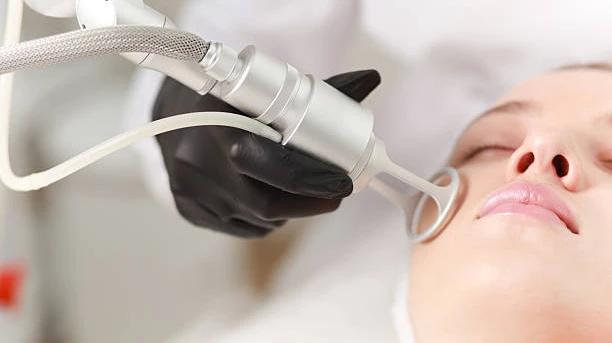
Enhance your skincare routine with Fractional Laser Treatment in Riyadh. Learn how this advanced procedure may improve skin texture, soften acne scars, and support natural collagen production.
Proper skincare after a cosmetic laser procedure is essential for supporting healing, reducing irritation, and helping the skin recover comfortably. Fractional laser treatment is commonly used to improve acne scars, uneven texture, fine lines, and selected pigmentation concerns. Because the procedure creates tiny, controlled areas of skin injury, the treated area may temporarily become red, swollen, dry, or sensitive. Understanding how to care for your skin after Fractional laser treatment in Riyadh (علاج فراكشنال ليزر في الرياض) can help you protect the skin barrier and reduce the risk of complications during recovery.
After treatment, your skin needs time to repair itself and respond to the laser's effects. The appropriate aftercare routine depends on the device used, the treatment intensity, and your individual skin type. Patients receiving Fractional laser treatment in Riyadh should follow the instructions provided by their treating clinician rather than relying on a general skincare routine. Gentle cleansing, suitable moisturization, sun protection, and avoiding irritating products are important steps, but some patients may require additional precautions based on their treatment and medical history.
Why Is Aftercare Important After Fractional Laser Treatment?
Fractional lasers create microscopic treatment zones while leaving surrounding tissue relatively untouched. This allows the skin to heal, but the treated area may temporarily have a weakened protective barrier. Without appropriate care, irritation may worsen, healing may be delayed, or the risk of infection and pigmentation changes may increase.
Following professional aftercare instructions helps maintain skin comfort and supports the healing process. It is also important to understand that redness, dryness, peeling, and sensitivity can be expected reactions, depending on the laser type. More intensive ablative treatments generally require more careful wound care and longer recovery than non-ablative procedures.
How Should You Cleanse Your Skin After Treatment?
Use a Gentle Cleanser
Choose a mild cleanser recommended by your clinician. Avoid harsh soaps, fragranced products, exfoliating cleansers, and scrubs that may irritate the treated skin. Clean your face gently with clean hands and lukewarm water if your provider has approved washing at that stage of recovery.
Avoid Rubbing or Scrubbing
Pat the skin dry with a clean, soft towel instead of rubbing it. The treated area may be tender, and unnecessary friction can worsen irritation. If your skin develops flaking or crusting, allow it to heal naturally rather than trying to remove the affected skin.
Follow Instructions for Open or Oozing Areas
More intensive fractional laser procedures may leave small areas that require specific wound-care instructions. Follow your clinician's directions for cleansing and applying prescribed products. Do not use alcohol, hydrogen peroxide, or other harsh antiseptics on the treated area unless specifically instructed by a healthcare professional.
Keep Your Skin Moisturized
Moisturization helps reduce dryness and supports the skin barrier during recovery. Use a bland, fragrance-free moisturizer or another product recommended by your provider. The appropriate product depends on the laser used and whether the skin surface remains intact.
Avoid applying multiple new products at once. Ingredients that normally suit your skin may sting or cause irritation while the barrier is recovering. If a product causes significant burning, swelling, or worsening redness, stop using it and contact your clinician for advice.
Do not apply antibiotic ointments, heavy occlusive products, or medicated creams unless your provider recommends them. The right aftercare product should be selected according to your treatment and healing stage.
Why Is Sun Protection Essential After Fractional Laser Treatment?
Avoid Direct Sun Exposure
After laser treatment, the skin may be more vulnerable to irritation and pigmentation changes from ultraviolet exposure. Limit direct sunlight while your skin heals, especially during periods when redness or peeling is present. A hat and shade can provide additional protection when you need to go outdoors.
Use Sunscreen When Your Skin Can Tolerate It
Apply a broad-spectrum sunscreen with SPF 30 or higher when your clinician confirms that it is appropriate for your healing skin. Reapply as directed, particularly when spending time outdoors. If sunscreen stings or irritates the treated area, ask your provider which alternative may be suitable rather than leaving your skin unprotected.
Take Extra Care if You Are Prone to Pigmentation
People with darker skin tones or a history of melasma and post-inflammatory hyperpigmentation may be more likely to develop dark marks after inflammation. Consistent sun protection and careful adherence to aftercare instructions are especially important for these patients. Laser treatment can sometimes worsen pigmentation, so new or increasing discoloration should be discussed with a dermatologist.
Which Skincare Products Should You Avoid During Recovery?
The skin may not tolerate its usual routine immediately after treatment. Your clinician can tell you when it is appropriate to restart active ingredients.
Common products or activities to avoid until your provider approves them include:
-
Retinoids, including retinol and prescription retinoid products.
-
Exfoliating acids such as glycolic acid, salicylic acid, and lactic acid.
-
Physical scrubs, cleansing brushes, and abrasive tools.
-
Strong acne treatments or skin-lightening products that may cause irritation.
-
Waxing, peels, and other procedures that can inflame the treated area.
-
Picking at peeling skin, crusts, or small scabs.
Avoiding these products temporarily can help prevent unnecessary irritation. The restart schedule depends on the treatment intensity and how quickly your skin recovers.
What Should You Expect During the Healing Process?
Recovery differs from person to person. After non-ablative fractional laser treatment, redness, mild swelling, warmth, or dryness may settle over several days. Ablative fractional treatments can produce more pronounced redness, peeling, crusting, and longer downtime.
As the skin heals, texture may feel rough or appear temporarily uneven. This does not necessarily mean the treatment has failed. Improvements in scars and skin texture usually develop gradually over weeks or months as the skin remodels collagen. Results vary, and more than one session may be needed depending on the concern being treated.
If you are considering Fractional laser treatment in Riyadh, ask your provider how long your particular treatment is expected to take to heal and when you can safely resume your usual skincare routine.
Which Symptoms Require Medical Attention?
Some redness, swelling, and sensitivity may be normal, but certain symptoms need prompt assessment. Contact your healthcare provider if you notice increasing pain, spreading redness, pus, fever, significant blistering, or healing that appears to be getting worse instead of improving.
Avoid attempting to treat these symptoms with strong skincare products or unprescribed medication. Early clinical assessment can help identify possible infection, burns, or other complications and determine the appropriate care.
Book a Consultation at Royal Clinic Saudia
Good aftercare is an important part of a fractional laser treatment plan. Royal Clinic Saudia (عيادات رويال كلينك) can help you understand the preparation, recovery, and skincare precautions relevant to your individual needs. Book a consultation to discuss your skin concerns and receive professional guidance on suitable treatment options and aftercare.
FAQs:
Can I wash my face after fractional laser treatment?
In many cases, gentle cleansing is allowed, but the timing depends on the laser type and treatment intensity. Follow your clinician's instructions, use a mild cleanser when approved, and avoid rubbing or scrubbing the treated area.
When can I use moisturizer after fractional laser treatment?
A suitable moisturizer may be recommended soon after some treatments, while more intensive procedures may require a specific wound-care routine. Use only products approved by your provider and avoid introducing unfamiliar skincare ingredients during recovery.
How long should I avoid makeup after fractional laser treatment?
Wait until your clinician confirms that makeup is safe to use. Applying cosmetics to skin that is still raw, open, or significantly irritated may increase irritation or infection risk. The waiting period depends on the procedure and your healing progress.
How can I prevent dark spots after fractional laser treatment?
Follow your aftercare instructions, avoid unnecessary irritation, and protect your skin from sunlight. If you have darker skin or a history of melasma, discuss pigmentation risks with your dermatologist before treatment. These precautions can reduce risk but cannot guarantee that dark spots will not develop.

Comments
Login to Comment