What Are the Possible Risks and Complications of Lipedema Surgery?
12 Oct, 2026
11 Views 0 Like(s)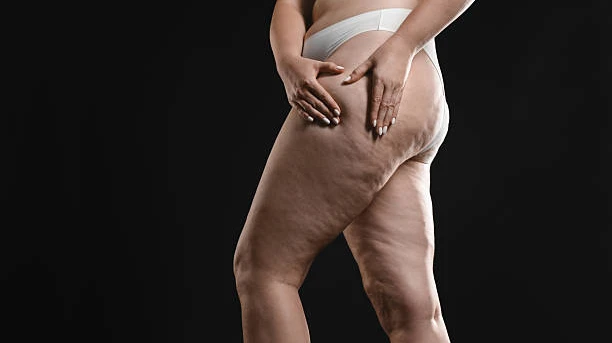
Explore Treatment of lipedema in Riyadh with expert medical guidance. Understand how personalized care, compression therapy, and other approaches may help manage lipedema symptoms.
Lipedema surgery may help selected patients reduce abnormal fat deposits, discomfort, and mobility limitations associated with lipedema. However, like any surgical procedure, it carries potential risks that should be carefully considered before making a decision. Understanding possible complications, recovery requirements, and the importance of choosing a qualified surgeon can help patients prepare more confidently. Treatment of lipedema in Riyadh (علاج الوذمة الشحمية في الرياض) should begin with a thorough medical assessment to determine whether surgery is appropriate and whether its potential benefits outweigh the risks for the individual.
Lipedema reduction surgery commonly involves specialized liposuction techniques intended to remove affected fat tissue while preserving surrounding structures, including lymphatic vessels. Although many patients recover without major complications, outcomes vary depending on the extent of surgery, the technique used, and individual health factors. Treatment of lipedema in Riyadh should include a clear discussion of possible side effects, postoperative care, and realistic expectations. Patients should understand that surgery may improve certain symptoms but does not guarantee a cure for lipedema.
What Are the Common Side Effects After Lipedema Surgery?
Some effects are expected during normal recovery and do not necessarily indicate a complication. Their severity and duration depend on the amount of tissue treated and the patient's healing response.
Swelling and Bruising
Swelling and bruising are common after liposuction-based surgery. These changes usually improve gradually, although residual swelling may persist for weeks or months. Compression garments and follow-up care may help manage swelling when recommended by the surgical team.
Pain and Tenderness
Patients may experience soreness, tenderness, or discomfort around the treated areas. Symptoms generally improve as healing progresses. The surgeon may recommend appropriate pain relief and activity modifications during recovery.
Temporary Changes in Skin Sensation
Numbness, tingling, or increased sensitivity can occur after surgery. These sensations may improve over time, but some patients experience longer-lasting changes. Patients should report persistent or worsening sensory symptoms to their surgeon.
Fluid Drainage and Firmness
Small incision sites may release fluid during the early healing period. Treated tissues may also feel firm or uneven while swelling settles. Persistent drainage, increasing redness, or worsening pain requires medical assessment to rule out complications.
What Are the Potential Complications of Lipedema Surgery?
Although serious complications are not inevitable, patients should understand the risks before consenting to treatment.
Infection and Delayed Wound Healing
Infection can develop at incision sites or within treated tissues. Signs may include increasing redness, warmth, worsening pain, fever, or unusual discharge. Delayed wound healing may also occur, particularly when medical conditions or other factors interfere with tissue repair.
Following wound-care instructions and attending follow-up appointments can help identify problems early. Suspected infection should be assessed promptly rather than managed with unprescribed medication.
Bleeding and Fluid Accumulation
Bleeding and fluid collection beneath the skin can occur after surgery. In some cases, additional medical treatment or drainage may be necessary. Extensive procedures can also affect fluid balance, making appropriate surgical monitoring important.
Patients should disclose all medications and supplements before surgery, particularly those that may affect bleeding. Medication changes should only be made under the direction of the prescribing clinician and surgical team.
Irregular Contours and Skin Changes
Some patients develop uneven contours, asymmetry, loose skin, or changes in skin texture after fat removal. The likelihood depends on factors such as skin elasticity, the distribution of affected tissue, and the surgical technique.
A qualified surgeon should explain what changes are realistic and whether additional procedures might ever be considered. Further surgery is not always necessary or appropriate.
Lymphatic Injury and Persistent Swelling
One important concern in lipedema surgery is potential damage to lymphatic vessels. Such injury may contribute to persistent swelling or, in some cases, lymphedema. Specialized techniques aim to reduce this risk, but it cannot be eliminated entirely.
Patients who already have swelling or suspected lymphatic problems may need additional evaluation before surgery. Careful assessment and appropriate postoperative monitoring are especially important for these individuals.
Blood Clots and Anesthesia-Related Complications
As with other operations, lipedema surgery may carry a risk of blood clots, including deep vein thrombosis and pulmonary embolism. Anesthesia can also cause complications, with risks influenced by the patient's health and the type of procedure.
The medical team assesses these risks before surgery and may recommend preventive measures based on individual circumstances. Sudden chest pain, shortness of breath, fainting, or coughing up blood requires immediate emergency medical attention.
What Factors May Increase the Risk of Complications?
Several factors can influence surgical safety and recovery. These include the extent of the procedure, existing circulation problems, certain chronic medical conditions, smoking, medication use, and a history of previous surgery.
Treating multiple areas in one session may involve different risks from treating a limited area. Patients should provide an accurate medical history and discuss any history of blood clots, wound-healing problems, allergies, or lymphatic conditions.
The surgeon's experience with lipedema-specific procedures is also important. Lipedema reduction surgery differs from routine cosmetic liposuction because preserving lymphatic structures is a significant consideration.
How Can Patients Reduce Surgical Risks?
No approach can remove every surgical risk, but careful preparation and follow-up can support safer care.
-
Choose a suitably qualified surgeon with relevant experience in lipedema reduction procedures.
-
Complete the recommended medical assessment and disclose all medications, supplements, and existing conditions.
-
Follow instructions about fasting, medication management, smoking cessation, and preparation.
-
Use compression garments and resume movement only as directed by the surgical team.
-
Attend scheduled follow-up visits and report unusual symptoms promptly.
Patients should also ask about the expected recovery period, available alternatives, the possibility of multiple procedures, and the plan for managing complications if they occur.
Book a Lipedema Consultation at Royal Clinic Saudia
Before choosing surgery, patients should have the opportunity to discuss their symptoms, medical history, treatment goals, and concerns about complications. At Royal Clinic Saudia (عيادات رويال كلينك), a consultation can help patients understand the available approaches and determine whether further specialist assessment is appropriate. Treatment of lipedema in Riyadh should prioritize patient safety, individualized planning, and realistic expectations about potential benefits, limitations, and recovery.
FAQs:
Is Lipedema Surgery Safe?
Lipedema surgery may be appropriate for carefully selected patients when performed by a qualified surgical team in a suitable facility. However, no surgery is completely risk-free, and individual health factors influence the overall risk.
Can Lipedema Surgery Damage the Lymphatic System?
Yes, lymphatic injury is a possible complication. Specialized surgical techniques aim to preserve lymphatic structures, but injury and persistent swelling can still occur. Patients should discuss their individual risk with an experienced surgeon.
Can Swelling Become Worse After Lipedema Surgery?
Temporary swelling is common during recovery. Persistent or worsening swelling may indicate a complication, including a lymphatic problem, and should be assessed by the treating clinician.
How Can I Tell If I Have a Complication After Surgery?
Increasing pain, redness, warmth, fever, unusual wound discharge, or sudden worsening swelling should prompt medical assessment. Chest pain, sudden shortness of breath, fainting, or coughing up blood requires emergency care.


Comments
Login to Comment