Is Cosmelan Peel Treatment safe?
12 Oct, 2026
7 Views 0 Like(s)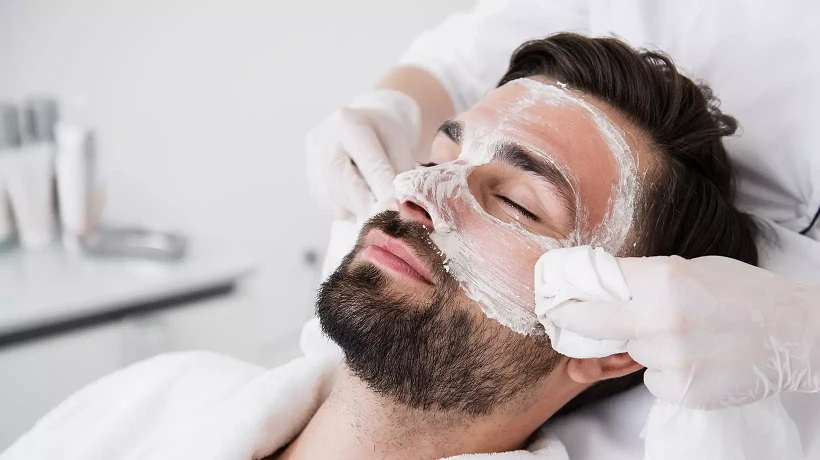
Learn whether Cosmelan peel treatment is safe, explore potential side effects, understand recovery precautions, and discover how professional care supports healthier-looking skin.
Cosmelan peel treatment is generally considered an option for improving pigmentation when used appropriately under professional guidance. It is designed to reduce the appearance of dark spots, melasma, and uneven skin tone by targeting excess melanin production. For people considering تقشير كوسميلان في دبي, understanding the treatment's safety, possible side effects, and recovery requirements is essential before making a decision. Although many people experience temporary redness, dryness, and peeling, individual reactions can vary. The safest approach involves a professional skin assessment, following the prescribed treatment protocol, and protecting the skin during recovery.
How Safe Is Cosmelan Peel Treatment?
Cosmelan is a professional depigmentation treatment intended to improve certain forms of hyperpigmentation. When used according to the appropriate protocol, it may help create a more even-looking complexion.
However, no chemical or depigmentation treatment is completely risk-free. Safety depends on the individual's skin condition, medical history, sensitivity, and adherence to the recommended routine. Applying products incorrectly or irritating the skin excessively can increase the risk of complications.
A qualified dermatologist or appropriately trained medical professional should assess the skin before treatment and explain whether Cosmelan is suitable.
What Are the Common Side Effects?
Temporary skin reactions may occur during the initial recovery period. These can include:
- Redness: The treated area may appear flushed or irritated.
- Peeling: The outer layers of skin may flake as the skin responds to treatment.
- Dryness and tightness: The skin may feel dry or uncomfortable during recovery.
- Stinging or burning: Mild sensations can occur, but intense or persistent burning should be assessed.
- Sensitivity: The skin may temporarily become more reactive to sunlight and certain skincare products.
These effects vary between individuals. Patients should follow their prescribed routine rather than attempting to increase peeling or accelerate results.
Can Cosmelan Cause Skin Damage?
Excessive irritation can compromise the skin barrier and may lead to prolonged inflammation. In some cases, this can contribute to post-inflammatory hyperpigmentation, infection, scarring, or worsening discoloration.
People who are prone to dark marks after inflammation may need particularly careful assessment. Using additional exfoliants, applying products too frequently, or exposing recovering skin to excessive sunlight can increase the risk of unwanted reactions.
Professional guidance and appropriate aftercare are therefore important for reducing avoidable complications.
Is Cosmelan Safe for Sensitive Skin?
People with sensitive skin may experience more pronounced irritation. A professional should evaluate the skin barrier, existing redness, allergies, and previous reactions to skincare products before recommending treatment.
Those with active eczema, dermatitis, sunburn, open wounds, or skin infections may need to postpone treatment. Recent cosmetic procedures and the use of prescription skincare products should also be discussed during the consultation.
The practitioner may recommend an alternative treatment if the potential risks outweigh the expected benefits.
Is Cosmelan Suitable for All Skin Types?
Cosmelan may be considered for different skin tones, but suitability depends on several factors beyond skin colour. The cause and depth of pigmentation, skin sensitivity, medical history, and risk of post-inflammatory hyperpigmentation all influence treatment planning.
People with darker skin tones can be more vulnerable to persistent pigmentation following inflammation. Careful treatment selection, controlled application, and consistent sun protection are particularly important in these cases.
A professional assessment helps determine whether the treatment is appropriate for the individual's specific concerns.
Who Should Avoid or Delay Treatment?
Some individuals may need to avoid or postpone Cosmelan treatment. This may include people with active skin infections, significant irritation, open wounds, or known sensitivity to the ingredients.
Pregnant or breastfeeding individuals should seek appropriate medical advice and follow product-specific guidance before considering treatment. People using prescription retinoids, other depigmenting agents, or medications that affect skin sensitivity should disclose these details to their practitioner.
Do not stop prescribed medication without consulting the healthcare professional responsible for your care.
How Can You Make Cosmelan Treatment Safer?
Several precautions can help support recovery and reduce the likelihood of complications.
Choose a Qualified Professional:
Have your skin assessed by a qualified dermatologist or medical professional experienced in pigmentation treatments. Ask about expected results, possible side effects, and alternative options.
Follow the Prescribed Routine:
Use the products and application schedule recommended for your specific treatment protocol. Do not leave a treatment mask on longer than instructed or add extra products in an attempt to improve results faster.
Protect Your Skin:
Follow the recommended cleansing and moisturizing routine, and use broad-spectrum sunscreen as directed. Limit direct sun exposure while the skin is recovering.
Avoid picking peeling skin, scrubbing the treated area, or introducing strong exfoliants and retinoids until your practitioner confirms they are appropriate.
Attend Follow-Up Appointments:
Follow-up assessments allow the practitioner to monitor healing, evaluate pigmentation changes, and adjust the maintenance routine when necessary.
When Should You Seek Medical Advice?
Mild redness, dryness, and peeling may be part of the recovery process. However, severe or worsening pain, intense burning, blistering, significant swelling, open sores, pus, or spreading redness require prompt medical advice.
If the skin is becoming increasingly irritated or pigmentation is worsening significantly, contact your treating professional rather than attempting to manage the reaction with additional skincare products.
Frequently Asked Questions:
Is Cosmelan peel treatment painful?
Some people experience temporary stinging, warmth, or burning sensations. Severe or persistent discomfort should be assessed by a professional.
How long do Cosmelan side effects last?
Redness, dryness, and peeling often occur during the early recovery period, but the duration varies. Sensitivity may persist longer in some individuals.
Can Cosmelan make pigmentation worse?
Yes. Excessive irritation or inflammation can sometimes worsen existing pigmentation or trigger new dark marks. Proper treatment selection and aftercare help reduce this risk.
Does Cosmelan require downtime?
Temporary redness, peeling, and sensitivity may affect daily activities. The amount of downtime depends on the individual's response and the prescribed protocol.
Conclusion:
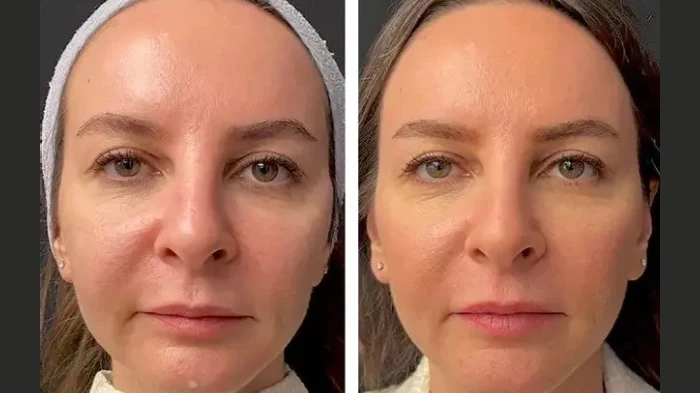
Cosmelan peel treatment may help improve dark spots, melasma, and uneven skin tone when it is appropriate for the individual and used according to professional guidance. However, temporary irritation and more serious complications are possible, particularly when the skin is unsuitable or aftercare instructions are not followed. Anyone considering تقشير كوسميلان في دبي should consult a qualified skincare professional to assess their skin, understand potential risks, and establish a suitable treatment and recovery plan.

Comments
Login to Comment