5 Interior Design Styles to Know Before Designing Your Dream Home
10 Oct, 2026
24 Views 0 Like(s)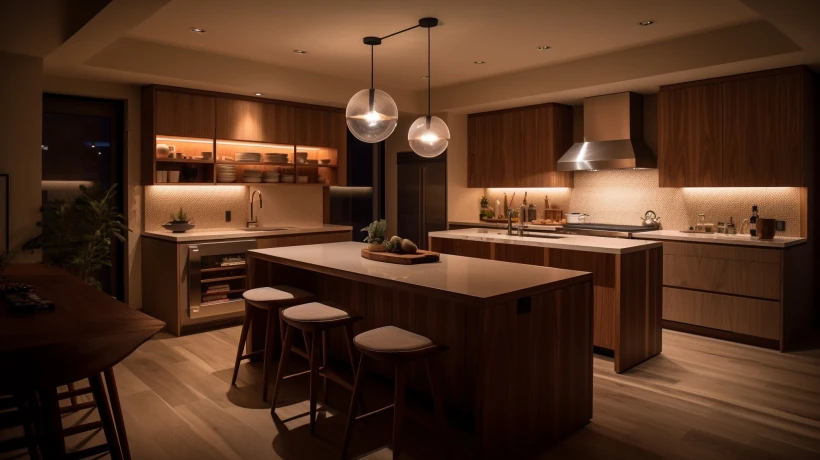
Designing your dream home is more than choosing beautiful furniture, colours, and décor.
Designing your dream home is more than choosing beautiful furniture, colours, and décor. It is about creating a space that reflects your personality, lifestyle, and everyday needs. Before you begin selecting finishes or planning your interiors, it helps to understand the different interior design styles available.
From timeless traditional interiors to sleek modern spaces, each style has its own character, materials, colours, and design principles. Knowing what works for you can make the design process easier and help you create a home that feels cohesive rather than a collection of unrelated elements.
Here are five popular interior design styles compiled by our interior designers in Noida to plan your dream home.
1. Modern Interior Design
Modern interior design is known for its clean lines, uncluttered spaces, and practical approach to design. It focuses on simplicity while ensuring that every element has a purpose.
A modern home typically features a neutral colour palette with shades such as white, grey, beige, black, and earthy tones. Furniture tends to have simple silhouettes, while materials such as glass, metal, wood, and polished surfaces are commonly used.
Lighting also plays an important role in modern interiors. Recessed lights, pendant fixtures, track lighting, and strategically placed accent lights can enhance the architectural features of the space.
One of the biggest advantages of modern design is its versatility. It works particularly well for apartments and contemporary homes where space optimisation is important.
Best for: Homeowners who prefer clean, uncluttered, functional, and sophisticated spaces.
2. Minimalist Interior Design
Minimalism takes the idea of simplicity even further. The philosophy is often described as "less is more." Instead of filling a room with furniture and accessories, minimalist interiors focus on creating a calm environment with only the essentials.
Minimalist homes usually feature simple furniture, open layouts, limited décor, and a restrained colour palette. White, beige, soft grey, and natural wood tones are popular choices.
Storage is especially important in minimalist interiors. Built-in wardrobes, concealed cabinets, multifunctional furniture, and modular storage solutions help keep everyday items out of sight and maintain a clean appearance.
Natural light is another important element. Large windows, open spaces, and light-coloured finishes can make the home feel brighter and more spacious.
Minimalism does not necessarily mean that your home has to look plain or cold. Adding natural textures such as wood, linen, stone, and plants can bring warmth and personality to the space.
Best for: People who enjoy clutter-free, peaceful, functional, and visually clean homes.
3. Scandinavian Interior Design
Scandinavian design has become increasingly popular because of its warm, practical, and inviting character. Originating in the Nordic countries, this style combines simplicity with comfort.
Scandinavian interiors generally use light colours, natural materials, simple furniture, and plenty of natural light. White and soft neutral shades are often combined with light wood finishes to create a bright and welcoming atmosphere.
Comfort is a key part of this design style. Soft rugs, cushions, throws, upholstered furniture, and warm lighting can make the interiors feel cosy without creating visual clutter.
Plants and natural elements are also commonly used to add freshness and texture. Instead of relying heavily on decorative objects, Scandinavian interiors allow materials, textures, and functional furniture to become part of the décor.
This style works particularly well in urban apartments because its light colour palette and simple furniture can make smaller spaces appear more open.
Best for: Homeowners looking for a bright, cosy, simple, and functional interior.
4. Traditional Interior Design
If you love timeless elegance, detailed craftsmanship, and classic furniture, traditional interior design may be the right choice for your home.
Traditional interiors often feature rich colours, detailed woodwork, classic furniture, decorative lighting, patterned fabrics, and elegant accessories. Materials such as natural wood, marble, brass, and premium fabrics can add a sense of luxury.
Unlike minimalist interiors, traditional spaces can include more decorative elements. Statement mirrors, artwork, curtains, rugs, chandeliers, and ornamental furniture can all contribute to the overall look.
However, traditional design does not necessarily mean your home needs to look old-fashioned. Modern traditional interiors often combine classic details with contemporary conveniences. For example, a home may feature traditional wooden furniture alongside modern lighting and smart storage solutions.
The key is to maintain balance so that the space feels elegant without becoming overly decorated.
Best for: Those who appreciate timeless design, craftsmanship, elegance, and detailed interiors.
5. Contemporary Interior Design
Contemporary interior design is often confused with modern design, but the two are not exactly the same. Modern design refers to a specific design movement, while contemporary design evolves with current trends and preferences.
Contemporary interiors often combine clean lines with comfortable furniture, statement lighting, textured materials, and carefully selected décor. Neutral colours remain popular, but homeowners can introduce bold shades through artwork, furniture, rugs, or accent walls.
Materials such as glass, metal, wood, stone, and textured fabrics can be combined to create visual interest. Curved furniture and organic shapes are also becoming increasingly popular in contemporary homes.
One of the biggest benefits of contemporary design is its flexibility. You can update individual elements over time without completely redesigning the home.
Best for: Homeowners who want a stylish, current, flexible, and sophisticated interior.
How to Choose the Right Interior Design Style
Choosing an interior design style should not be based solely on what looks attractive in photographs. Your lifestyle, family requirements, available space, maintenance preferences, and budget should all influence your decision.
Start by identifying the colours, furniture styles, materials, and spaces you naturally gravitate towards. Creating a mood board can help you identify common patterns in your preferences.
Think about how you use each room. If you have children or pets, highly delicate furniture and finishes may not be practical. If you have a compact apartment, minimalist or Scandinavian principles can help maximise the feeling of space.
You also do not have to follow one design style strictly. Many beautiful homes combine elements from different styles. For example, you could combine modern furniture with traditional woodwork or introduce Scandinavian textures into a contemporary space.
The important thing is to maintain consistency in colours, materials, proportions, and finishes so the home feels connected.
Design a Home That Reflects You
Your dream home should ultimately be a reflection of how you live. Interior design styles are useful starting points, but they should not limit your creativity.
Whether you prefer the simplicity of minimalism, the warmth of Scandinavian interiors, the elegance of traditional design, or the clean sophistication of modern and contemporary spaces, the right approach is the one that makes your home comfortable, functional, and personal.
Before beginning your interior design project, take time to explore different styles, understand your priorities, and discuss your ideas with an experienced interior designer. A well-planned design can help you make the most of your space while creating a home that remains beautiful and practical for years to come.



Comments
Login to Comment