Understanding the Consultation Process for Liposuction Surgery
12 Oct, 2026
10 Views 0 Like(s)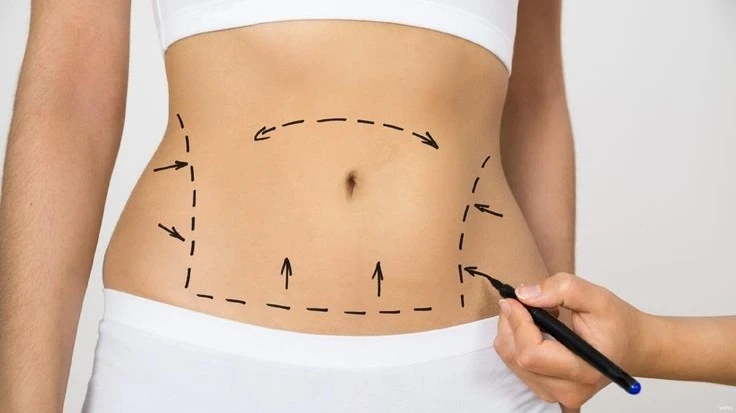
Liposuction in Riyadh is a surgical procedure designed to remove stubborn fat deposits and refine selected body contours. Before treatment, a consultation allows you to discuss your goals, medical history, and expectations with a qualified medical professional.
Considering cosmetic surgery is an important decision, and understanding the consultation process can help you feel more confident about your options. Liposuction in Riyadh is a surgical procedure designed to remove stubborn fat deposits and refine selected body contours. Before treatment, a consultation allows you to discuss your goals, medical history, and expectations with a qualified medical professional. This initial assessment helps determine whether liposuction is suitable for you and provides an opportunity to understand the procedure, recovery requirements, potential risks, and expected results.
Discussing Your Body-Contouring Goals
The consultation usually begins with a conversation about the areas you want to improve and the results you hope to achieve. You may want to address persistent fat around the abdomen, waist, hips, thighs, upper arms, or chin. Explaining your concerns clearly helps your practitioner understand your priorities and assess whether your expectations are realistic. The goal is to develop a treatment approach that complements your natural body proportions rather than promising a specific appearance that may not be achievable.
Reviewing Your Medical History
Your medical history is an essential part of the consultation. The practitioner may ask about existing medical conditions, previous surgeries, allergies, medications, smoking habits, and any history of complications with anaesthesia. These details help identify factors that could affect surgical suitability or recovery. Be honest and provide complete information, including supplements and non-prescription medicines. Your medical professional may recommend additional assessments or discuss alternative treatments if certain health factors make liposuction less appropriate.
Physical Examination and Treatment Assessment
A physical examination helps the practitioner evaluate the areas you want to treat. They may assess fat distribution, skin elasticity, body proportions, and the amount of localised fat that can potentially be removed. Skin quality is particularly important because liposuction removes fat but does not directly correct significant loose skin. Based on the findings, your practitioner can explain which areas may respond well and whether another approach might better address your concerns.
Understanding the Recommended Procedure
Once your goals and medical suitability have been reviewed, the practitioner can explain the proposed surgical technique. Liposuction generally involves small incisions through which a thin tube called a cannula is used to remove targeted fat. The method selected depends on the treatment area, your anatomy, and the surgeon's assessment. You should receive information about the procedure, anaesthesia, expected duration, likely results, and any limitations. Ask questions if any part of the treatment plan is unclear.
Discussing Benefits, Risks, and Alternatives
An important part of the consultation is understanding both the potential benefits and the risks. Liposuction may improve body contours by reducing stubborn fat deposits, but it is not a weight-loss treatment and cannot guarantee perfect symmetry. Potential complications include infection, bleeding, fluid accumulation, contour irregularities, and changes in skin sensation. Your practitioner should also explain alternative options and help you compare their suitability. Making an informed decision means understanding what the procedure can realistically achieve as well as its limitations.
Preparing for Surgery
If you decide to proceed, your medical team will explain the steps needed before surgery. These may include medical tests, medication adjustments under professional guidance, and instructions regarding smoking, eating, and drinking. You should never stop prescribed medication without consulting your healthcare professional. You may also need to arrange transport home and assistance during the early recovery period. Following your preoperative instructions carefully helps you prepare for the procedure and supports a safer treatment experience.
Learning About Recovery and Aftercare
The consultation should include a clear explanation of what happens after liposuction. Swelling, bruising, soreness, and temporary changes in sensation may occur during recovery. Compression garments may be recommended, and your practitioner will explain when you can return to work, exercise, and everyday activities. Recovery varies depending on the treatment area and individual healing. You should also understand the follow-up schedule and know which symptoms require medical attention, including severe pain, fever, chest pain, or shortness of breath.
Setting Realistic Expectations
Liposuction results develop gradually as swelling decreases, often over several weeks or months. The final appearance depends on your anatomy, skin elasticity, healing process, and the amount of fat removed. Although treated fat cells are permanently eliminated, remaining fat cells can enlarge with weight gain. Maintaining a stable weight and following healthy lifestyle habits can help preserve your results. Your consultation is the right time to discuss realistic outcomes and clarify any concerns before making your final decision.
Book a Consultation at Royal Clinic Saudi
If you are considering Liposuction in Riyadh, Royal Clinic Saudi can be your starting point for exploring suitable body-contouring options. Book a consultation to discuss your goals, review your medical suitability, and learn about the procedure, recovery, and potential risks. A personalised assessment can help you understand your options and make an informed decision based on your individual needs.
FAQs:
What happens during a liposuction consultation?
Your practitioner discusses your goals, reviews your medical history, and assesses the treatment areas.
Should I prepare anything before my consultation?
Bring your medication details, relevant medical history, and questions about the procedure.
Will I know if I am suitable for liposuction?
The consultation helps assess your suitability and identify any additional evaluations needed.
Can I ask about recovery during the consultation?
Yes, you should discuss recovery time, aftercare, possible risks, and follow-up appointments.


Comments
Login to Comment