Watching phones increases the risk of this disease in children, AIIMS warns
04 May, 2026
1850 Views 0 Like(s)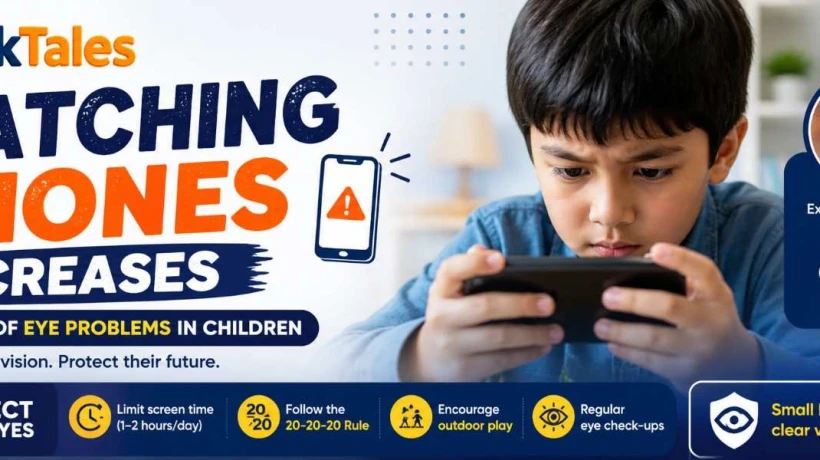
Watching phones increases the risk of this disease in children, AIIMS warns
In today’s digital age, smartphones have become an integral part of daily life—not just for adults, but increasingly for children as well. However, a recent warning from the All India Institute of Medical Sciences (AIIMS) has raised serious concerns about the growing health risks associated with excessive phone usage among young users. According to experts, prolonged screen exposure may significantly increase the risk of developing early-onset myopia (nearsightedness) in children.
Rising Concern Over Childhood Myopia
Myopia is a vision condition where distant objects appear blurry while close objects can be seen clearly. Over the past decade, the number of children diagnosed with myopia has surged dramatically, and medical professionals are linking this trend to increased screen time. AIIMS specialists emphasize that children who spend long hours watching smartphones, tablets, or other digital devices are more vulnerable to this condition.
The issue is particularly concerning because early-onset myopia can worsen over time and may lead to more serious eye problems in adulthood, such as retinal detachment, glaucoma, or even vision loss.
How Screen Time Affects Eye Health
When children use smartphones for extended periods, their eyes are forced to focus on close objects continuously. This prolonged near work puts strain on the eye muscles and may alter the natural development of the eyeball. Over time, this can lead to elongation of the eyeball—a key factor in the development of myopia.
Additionally, excessive screen exposure reduces blinking frequency, leading to dry eyes, irritation, and discomfort. The blue light emitted from screens can also disrupt sleep patterns and contribute to digital eye strain.
Lack of Outdoor Activity
Another major factor highlighted by AIIMS is the decline in outdoor activities among children. Studies show that spending time outdoors, especially in natural daylight, plays a protective role against myopia. Sunlight helps in the proper development of the eyes and reduces the risk of vision problems.
However, with children increasingly glued to screens—whether for online classes, gaming, or social media—their outdoor time has drastically reduced. This imbalance is accelerating the rise in eye-related issues.
Warning Signs Parents Should Watch For
Parents play a crucial role in identifying early symptoms of vision problems. Some common signs that may indicate myopia in children include:
- Squinting while looking at distant objects
- Sitting too close to the TV or holding phones very near
- Frequent headaches or eye strain
- Difficulty seeing the board in school
- Rubbing eyes excessively
If any of these symptoms are noticed, it is important to consult an eye specialist promptly.
AIIMS Recommendations for Parents
To combat the growing risk, AIIMS experts have issued several guidelines for parents and caregivers:
1. Limit Screen Time:
Children should not spend more than 1–2 hours per day on screens, depending on their age. Breaks should be encouraged every 20–30 minutes.
2. Follow the 20-20-20 Rule:
Every 20 minutes, children should look at something 20 feet away for at least 20 seconds. This helps relax eye muscles.
3. Encourage Outdoor Play:
At least 1–2 hours of outdoor activity daily can significantly reduce the risk of myopia.
4. Maintain Proper Viewing Distance:
Screens should be kept at a safe distance—ideally at least 30–40 cm away from the eyes.
5. Ensure Proper Lighting:
Children should avoid using devices in dark rooms, as poor lighting increases eye strain.
6. Regular Eye Check-ups:
Routine eye examinations can help detect problems early and prevent further complications.
The Role of Schools and Society
Schools and educational institutions also have a role to play in addressing this issue. With the rise of digital learning, it is essential to balance screen-based education with traditional teaching methods. Teachers should encourage regular breaks and incorporate offline activities into learning routines.
At a broader level, awareness campaigns are needed to educate parents and children about the risks of excessive screen time. Public health initiatives can help promote healthier lifestyle habits among young populations.
Conclusion
The warning from AIIMS serves as an important reminder that while technology offers numerous benefits, its misuse can have serious consequences—especially for children. The increasing prevalence of myopia is not just a medical issue but a lifestyle concern that requires immediate attention.
By limiting screen time, encouraging outdoor activities, and ensuring regular eye care, parents can protect their children from long-term vision problems. A balanced approach to technology use is essential to safeguard the health and well-being of the next generation.



Comments
Login to Comment