HPV Vaccination and Screening: Your Shield Against Cervical Cancer
04 May, 2026
1859 Views 0 Like(s)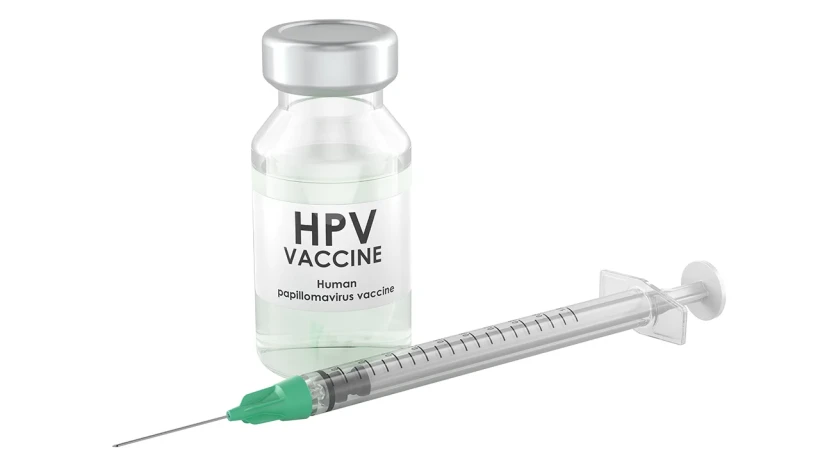
HPV Vaccination and Screening: Your Shield Against Cervical Cancer
Cervical cancer is one of the most preventable forms of cancer, yet it continues to affect thousands of women every year across the world. The good news is that with the right preventive measures, especially HPV vaccination and regular screening, the risk of developing cervical cancer can be significantly reduced. Understanding how these tools work together is essential for protecting long-term health and promoting early detection.
Human Papillomavirus (HPV) is a common viral infection that spreads through skin-to-skin contact, primarily through sexual activity. There are more than 100 types of HPV, but certain high-risk strains are responsible for causing cervical cancer. In fact, nearly all cases of cervical cancer are linked to persistent HPV infection. Most HPV infections clear naturally without causing harm, but when the infection persists, it can lead to abnormal cell changes in the cervix over time.
HPV vaccination is one of the most effective ways to prevent cervical cancer before it starts. The vaccine protects against the most dangerous strains of HPV that are known to cause cervical cancer and other HPV-related diseases. It is recommended for both girls and boys, ideally before they become sexually active, as the vaccine works best when given prior to exposure to the virus. Many health organizations recommend vaccination between the ages of 9 and 14, though older teenagers and adults may also benefit depending on their vaccination status.
The HPV vaccine has been proven to be safe and highly effective through years of research and monitoring. Countries that have implemented widespread HPV vaccination programs have already seen significant declines in HPV infections, precancerous cervical lesions, and related health complications. By getting vaccinated, individuals not only protect themselves but also contribute to reducing the spread of the virus within the community.
While vaccination offers strong protection, it does not eliminate the need for regular cervical cancer screening. Screening plays a vital role in detecting abnormal cervical cells before they develop into cancer. Early detection allows doctors to provide timely treatment and prevent serious complications. Two common screening methods are the Pap smear test and the HPV test.
A Pap smear checks for abnormal changes in cervical cells, while an HPV test looks for the presence of high-risk HPV strains. Depending on age, medical history, and healthcare guidelines, women may receive one or both tests during routine gynecological visits. These screenings are quick, simple, and often life-saving. Many women with early-stage cervical changes experience no symptoms, making routine screening especially important.
Experts generally recommend that women begin cervical cancer screening in their early twenties or according to national healthcare guidelines. The frequency of screening depends on age, previous test results, and overall health. Even vaccinated women should continue regular screening because the vaccine does not protect against all cancer-causing HPV types.
Awareness and education are key to improving cervical cancer prevention. Unfortunately, myths and misinformation about HPV vaccination still discourage some people from seeking protection. Some believe the vaccine is unsafe or unnecessary, while others mistakenly assume screening is only needed when symptoms appear. In reality, prevention works best before symptoms ever develop. Open conversations between healthcare providers, parents, schools, and communities can help break stigma and encourage informed decisions.
Lifestyle choices also support cervical health. Avoiding tobacco use, maintaining a healthy immune system, practicing safe sexual habits, and attending regular medical checkups can lower the risk of persistent HPV infection and cervical disease. However, vaccination and screening remain the strongest defense against cervical cancer.
Healthcare access remains a challenge in many parts of the world, especially in low-resource communities where screening and vaccination services may be limited. Expanding access to affordable healthcare, increasing public awareness campaigns, and supporting national immunization programs are critical steps toward reducing cervical cancer deaths globally. International health organizations continue working toward the goal of eliminating cervical cancer as a public health problem through prevention, vaccination, and early detection strategies.
The fight against cervical cancer is no longer solely dependent on treatment after diagnosis. Today, prevention is possible, powerful, and accessible. HPV vaccination protects against the virus that causes most cervical cancers, while regular screening detects changes before they become dangerous. Together, they form a strong shield that can save lives and improve women’s health worldwide.
Choosing vaccination and routine screening is an investment in long-term well-being. By staying informed, encouraging loved ones to get protected, and prioritizing preventive healthcare, individuals can take control of their cervical health and help build a future where cervical cancer becomes increasingly rare.


Comments
Login to Comment