Drinking beetroot juice can be harmful, know who should avoid it
04 May, 2026
1826 Views 0 Like(s)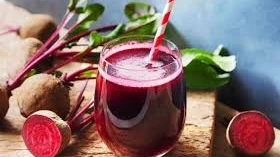
Drinking beetroot juice can be harmful, know who should avoid it
Beetroot juice has gained immense popularity in recent years due to its impressive health benefits. Packed with essential nutrients like iron, folate, potassium, and antioxidants, it is often considered a superfood. Many people consume it to improve blood circulation, boost stamina, and support heart health. However, despite its advantages, beetroot juice is not suitable for everyone. In some cases, it can even be harmful if consumed without proper awareness.
One of the primary reasons beetroot juice is widely consumed is its ability to lower blood pressure. It contains natural nitrates that convert into nitric oxide in the body, helping relax blood vessels and improve blood flow. While this is beneficial for people with high blood pressure, it can be risky for those who already have low blood pressure. Regular consumption may cause dizziness, weakness, or even fainting in such individuals. Therefore, people suffering from hypotension should limit or avoid beetroot juice unless advised by a doctor.
Another group that should be cautious is individuals prone to kidney stones. Beetroot is high in oxalates, compounds that can contribute to the formation of kidney stones. People who have a history of stones, especially calcium oxalate stones, may worsen their condition by drinking beetroot juice frequently. In such cases, it is better to consult a healthcare professional before adding it to the daily diet.
People with diabetes should also be careful. Although beetroot has a moderate glycemic index, beetroot juice contains concentrated natural sugars because the fiber is removed during juicing. This can cause a rapid spike in blood sugar levels. While small quantities may be safe, excessive consumption can lead to poor blood sugar control. Diabetic individuals should monitor their glucose levels closely if they choose to consume beetroot juice.
Another potential issue is a condition known as “beeturia,” where urine or stools may turn pink or red after consuming beetroot. While this is generally harmless, it can be alarming for some people who might mistake it for blood. However, in certain cases, beeturia may indicate an underlying iron deficiency or issues with metabolism, so persistent symptoms should not be ignored.
People with iron overload disorders, such as hemochromatosis, should also avoid beetroot juice. Since beetroot contains iron, excessive intake may worsen iron accumulation in the body, potentially damaging organs over time. Similarly, individuals taking medications for blood pressure or heart conditions should consult their doctor before consuming beetroot juice regularly, as it may interact with certain drugs and enhance their effects.
Pregnant women are often advised to consume beetroot because of its folate content, which supports fetal development. However, overconsumption can lead to complications such as digestive discomfort or fluctuations in blood pressure. Moderation is key, and medical advice is always recommended during pregnancy.
Beetroot juice can also cause digestive issues in some individuals. Drinking it in large quantities may lead to bloating, stomach cramps, or diarrhea. This is especially true for people with sensitive stomachs or those who are not used to high-nitrate foods. Starting with small amounts and gradually increasing intake can help minimize these side effects.
Allergic reactions, although rare, are another concern. Some people may experience symptoms like itching, rashes, or swelling after consuming beetroot juice. In such cases, immediate medical attention is necessary, and further consumption should be avoided.
It is also worth noting that beetroot juice may temporarily affect liver function markers in some individuals if consumed excessively. While this is not common, it highlights the importance of moderation. Like any other food or drink, beetroot juice should be part of a balanced diet rather than consumed in excessive amounts.
In conclusion, beetroot juice offers numerous health benefits, but it is not universally safe for everyone. People with low blood pressure, kidney stone history, diabetes, iron overload conditions, or those on specific medications should be particularly cautious. Even healthy individuals should consume it in moderation to avoid unwanted side effects. Understanding your body’s needs and consulting a healthcare professional can help you enjoy the benefits of beetroot juice without risking your health.


Comments
Login to Comment