Vitamin Deficiencies and Retinal Vein Occlusion: Is There a Connection?
24 Oct, 2026
12 Views 0 Like(s)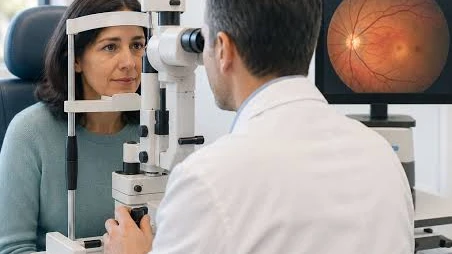
The relationship between Vitamin Deficiencies and Retinal Vein Occlusion remains an area of scientific interest, particularly in relation to vitamin B12, folate, and homocysteine metabolism. Nevertheless, current evidence does not establish that a vitamin deficiency is a common direct cause of retinal vein occlusion or that vitamin supplements can reverse the condition.
Retinal vein occlusion (RVO) is a condition that affects the blood vessels responsible for carrying blood away from the retina, the light-sensitive tissue at the back of the eye. When a retinal vein becomes blocked, blood and fluid can accumulate in the retina, potentially causing swelling, blurred vision, and, in severe cases, permanent vision loss. Many people wonder whether nutritional deficiencies contribute to this condition and whether improving their vitamin intake can support eye health.
The connection between Vitamin Deficiencies and Retinal Vein Occlusion is worth exploring, particularly because certain vitamins help maintain healthy blood vessels, support normal blood clotting, and protect cells from oxidative stress. However, a vitamin deficiency is not an established direct cause of most cases of RVO. The condition is more strongly associated with factors such as high blood pressure, diabetes, glaucoma, high cholesterol, and increasing age.
This article explores the possible relationship between vitamin deficiencies and retinal vein occlusion, the nutrients involved in retinal health, and the importance of evidence-based treatment and nutritional support.
What Is Retinal Vein Occlusion?
Retinal vein occlusion occurs when a vein carrying blood away from the retina becomes obstructed. The blockage can increase pressure in the affected blood vessels, causing blood to leak into surrounding retinal tissue. This may lead to macular oedema, which is swelling in the macula, the part of the retina responsible for detailed central vision.
There are two main types of retinal vein occlusion:
· Central retinal vein occlusion (CRVO): The blockage occurs in the main retinal vein.
· Branch retinal vein occlusion (BRVO): The blockage affects a smaller branch of the retinal vein.
Symptoms can include sudden, painless blurred vision, reduced vision in one eye, or a dark area in the visual field. Some people experience few noticeable symptoms initially.
Sudden changes in vision require urgent assessment by an eye-care professional. Early diagnosis can help identify complications and determine whether treatment is needed.
Can Vitamin Deficiencies Cause Retinal Vein Occlusion?
Research has investigated whether certain nutritional deficiencies may influence blood vessel function, inflammation, and the body's ability to regulate blood clotting. These processes are relevant to vascular health, including the blood vessels supplying and draining the retina.
Nevertheless, Vitamin Deficiencies and Retinal Vein Occlusion should not be considered a proven cause-and-effect relationship. Most cases of RVO are associated with vascular risk factors rather than an isolated vitamin deficiency.
Some nutritional deficiencies may contribute indirectly to problems affecting blood vessels or blood composition. For example, vitamin B12 or folate deficiency can cause elevated homocysteine levels in some individuals. High homocysteine has been investigated as a possible vascular risk marker, although studies have not established that correcting vitamin deficiencies reliably prevents or treats retinal vein occlusion.
A balanced diet helps support general health, but taking high-dose vitamins without identifying a deficiency is not an established treatment for RVO. People concerned about their nutritional status should discuss their symptoms, medical history, and possible testing with a healthcare professional.
1. Vitamin B12 and Retinal Vein Occlusion
Vitamin B12 is essential for normal nerve function, red blood cell production, and DNA synthesis. A deficiency can cause anaemia and neurological problems. It may also increase homocysteine levels because vitamin B12 helps the body process this amino acid.
Elevated homocysteine has been studied in relation to several vascular conditions, including retinal vein occlusion. Some observational studies have reported an association between raised homocysteine and retinal vascular disease, but the evidence is inconsistent. An association does not establish that B12 deficiency directly causes a retinal vein blockage.
People at increased risk of vitamin B12 deficiency include those with certain digestive disorders, people who have undergone some gastrointestinal operations, older adults with impaired absorption, and individuals following strict vegan diets without reliable B12 sources.
Sources of vitamin B12 include fish, meat, eggs, dairy products, and fortified foods. Supplements may be appropriate when a deficiency is confirmed or strongly suspected.
Correcting a B12 deficiency can improve the health problems caused by that deficiency. However, vitamin B12 supplements have not been established as a way to reopen a blocked retinal vein or restore vision lost from RVO.
2. Folate Deficiency and Blood Vessel Health
Folate, also known as vitamin B9, supports cell division, DNA production, and red blood cell formation. It also plays a role in homocysteine metabolism.
Low folate levels may contribute to elevated homocysteine, particularly when vitamin B12 status is also inadequate. This has led researchers to investigate whether folate deficiency might be relevant to vascular conditions.
However, the relationship between folate and retinal vein occlusion remains uncertain. There is insufficient evidence to conclude that folate deficiency is a common direct cause of RVO or that folic acid supplementation prevents its occurrence.
Good dietary sources of folate include leafy green vegetables, beans, lentils, peas, citrus fruits, and fortified grains.
People with suspected folate deficiency should seek medical advice before taking high-dose supplements. Taking folic acid without recognising an underlying vitamin B12 deficiency can improve some blood test abnormalities while allowing B12-related neurological damage to progress.
3. Vitamin B6 and Homocysteine Metabolism
Vitamin B6 supports protein metabolism, nervous system function, and the production of several important chemical messengers. It also participates in pathways that help the body process homocysteine.
A deficiency in vitamin B6 can affect general health, but there is no strong evidence that it independently causes retinal vein occlusion. Although B6 is involved in homocysteine metabolism, taking extra vitamin B6 has not been demonstrated to prevent or treat RVO.
Vitamin B6 is available in poultry, fish, potatoes, chickpeas, bananas, and other foods.
Excessive intake of vitamin B6 supplements can cause peripheral nerve damage, particularly when high doses are taken over extended periods. People should therefore avoid assuming that more vitamin intake provides greater protection for the retina.
4. Vitamin D and Retinal Vascular Health
Vitamin D is important for calcium absorption, bone health, muscle function, and several processes involved in immune regulation. Researchers have also explored possible relationships between vitamin D status, inflammation, cardiovascular health, and retinal vascular disorders.
Some observational research has examined whether low vitamin D levels are associated with retinal vein occlusion or other vascular conditions. However, the findings are not sufficient to establish that vitamin D deficiency directly causes RVO.
A low vitamin D level should be addressed when identified for appropriate health reasons, but supplementation is not a recognised treatment for an existing retinal vein blockage.
Vitamin D is obtained through certain foods, including oily fish, egg yolks, and fortified products. Sunlight also enables the body to produce vitamin D, although the amount varies according to skin type, season, location, and sun exposure.
A healthcare professional can advise whether testing or supplementation is appropriate based on individual risk factors.
5. Vitamin C and Blood Vessel Support
Vitamin C contributes to collagen formation, which helps maintain the structure of blood vessels and other connective tissues. It also acts as an antioxidant, helping protect cells from oxidative damage.
Severe vitamin C deficiency can weaken connective tissue and cause bleeding problems. However, this is different from the usual mechanisms responsible for retinal vein occlusion.
There is no convincing clinical evidence that vitamin C deficiency is a common direct cause of RVO or that vitamin C supplements can clear an existing blockage.
Sources of vitamin C include oranges, berries, kiwi fruit, peppers, tomatoes, and broccoli. Eating a variety of fruit and vegetables can help maintain adequate vitamin C intake.
People should be cautious about high-dose vitamin C supplements, particularly if they have a history of kidney stones or certain kidney disorders. Supplementation should be based on individual needs rather than the assumption that antioxidants can reverse retinal damage.
6. Vitamin E and Antioxidant Protection
Vitamin E helps protect cell membranes from oxidative damage. It is found in foods such as nuts, seeds, vegetable oils, and some green leafy vegetables.
Oxidative stress is involved in several processes affecting vascular health, so researchers have studied the potential role of antioxidants in eye health. Nevertheless, evidence does not establish that vitamin E deficiency causes retinal vein occlusion or that vitamin E supplements improve outcomes for people with RVO.
High doses of vitamin E can increase bleeding risk, particularly when combined with anticoagulant or antiplatelet medicines. This is an important consideration for people taking medication for cardiovascular conditions.
Obtaining vitamin E from a balanced diet is generally preferable to taking high-dose supplements without medical advice.
7. Vitamin K and Normal Blood Clotting
Vitamin K is required for the production of several proteins involved in normal blood clotting. It is found in leafy green vegetables, including spinach, kale, and broccoli.
Although vitamin K is essential for healthy clotting, there is no established evidence that vitamin K deficiency is a common cause of retinal vein occlusion. RVO is a complex vascular condition involving local blood vessel changes, pressure, and other risk factors.
People taking warfarin must pay particular attention to consistent vitamin K intake because sudden changes can affect the medication's action. They should not begin vitamin K supplements or substantially change their diet without discussing it with their prescribing clinician.
Vitamin K should not be taken as a self-treatment for a suspected retinal vein blockage.
What Other Factors Increase the Risk of Retinal Vein Occlusion?
Although nutritional status can influence general health, several established risk factors are more important when assessing RVO.
High blood pressure: Hypertension can damage blood vessels over time and is a major risk factor for retinal vein occlusion.
Diabetes: High blood glucose can damage blood vessels and increase the risk of retinal complications.
High cholesterol: Abnormal cholesterol levels contribute to vascular disease and may increase the risk of retinal vein occlusion.
Increasing age: RVO is more common in older adults, although younger people can also develop the condition.
Glaucoma: Increased pressure inside the eye and associated structural changes may contribute to the risk of certain forms of RVO.
Smoking and cardiovascular disease: Smoking and underlying cardiovascular problems can negatively affect vascular health.
A clinician may assess blood pressure, blood glucose, cholesterol, eye pressure, and other relevant factors. Depending on the person's age, medical history, and clinical findings, further investigations may be appropriate.
Can Supplements Help People with Retinal Vein Occlusion?
Supplements can be useful when they correct a confirmed nutritional deficiency. For example, a clinician may recommend vitamin B12, folate, or vitamin D supplementation when blood tests and medical history indicate a need.
However, supplementation should not replace established ophthalmic treatment.
Treatment for retinal vein occlusion depends on the type of blockage, the severity of vision loss, and the presence of complications. It may include injections of anti-vascular endothelial growth factor (anti-VEGF) medicines into the eye to manage macular oedema. Some patients may require other treatments, such as corticosteroid injections or laser procedures, depending on their condition.
A balanced diet, appropriate physical activity, smoking cessation, and management of blood pressure, diabetes, and cholesterol can support overall vascular health. These measures are important, but they cannot guarantee that RVO will be prevented or reversed.
Anyone considering supplements should tell their doctor about all medicines and products they use, including herbal preparations. Some supplements interact with anticoagulants, antiplatelet medicines, and other prescribed treatments.
The Role of Diet in Supporting Retinal Health
A varied, nutrient-rich diet helps maintain normal body functions and supports long-term cardiovascular health. Although no particular food can remove a retinal vein blockage, healthy eating can contribute to the management of conditions associated with RVO.
Consider including the following foods regularly:
· Leafy green vegetables: Provide folate and other nutrients.
· Fish: Supplies vitamin B12, and oily fish also provides omega-3 fatty acids and vitamin D.
· Eggs and dairy products: Provide vitamin B12 and other essential nutrients.
· Beans and lentils: Supply folate and other important nutrients.
· Nuts and seeds: Provide vitamin E and healthy fats.
· Colourful fruit and vegetables: Supply vitamin C and a range of other nutrients.
People with dietary restrictions or conditions that affect nutrient absorption may need individual dietary advice. Blood tests can help identify certain deficiencies, but testing should be guided by symptoms, risk factors, and clinical judgement.
Herbal Treatment for Retinal Vein Occlusion: What Should You Know?
Interest in Herbal Treatment for Retinal Vein Occlusion often comes from the desire to support circulation and protect eye health naturally. However, no herbal remedy has been proven to unblock a retinal vein or reliably restore vision damaged by this condition.
Herbal products can also interact with prescription medicines. For example, some herbs may affect bleeding risk or blood pressure, which can be particularly relevant for people with vascular disease.
Anyone considering herbal supplements should discuss the ingredients with an ophthalmologist or pharmacist before using them. Products marketed for eye health should not be assumed to be safe or effective simply because they are described as natural.
The most important step is to obtain a prompt eye examination and follow the recommended treatment plan. Nutritional and herbal approaches, where appropriate, should be considered supportive measures rather than replacements for medical care.
Natural Remedies for Retinal Vein Occlusion: Safe Supportive Measures
People searching for Natural Remedies For Retinal Vein Occlusion should focus on measures that support general health without delaying appropriate eye treatment.
Useful steps include:
1. Eat a balanced diet containing a variety of vegetables, fruit, whole grains, protein sources, and healthy fats.
2. Monitor blood pressure and follow medical advice if hypertension is present.
3. Manage diabetes and cholesterol with an appropriate treatment plan.
4. Avoid smoking and seek support if quitting is difficult.
5. Take supplements only when indicated by a healthcare professional.
6. Attend scheduled ophthalmology appointments to monitor vision and detect complications.
These measures can help address modifiable health risks, but they do not treat the blockage itself. Sudden blurred vision or loss of vision should never be managed with home remedies alone.
Frequently Asked Questions
1. Which vitamin deficiency is associated with retinal vein occlusion?
Vitamin B12 and folate deficiencies have attracted research interest because they can contribute to elevated homocysteine levels. However, neither deficiency is established as a common direct cause of RVO.
2. Can vitamin B12 reverse retinal vein occlusion?
Vitamin B12 supplementation can correct a deficiency, but it has not been shown to reopen an obstructed retinal vein or reliably restore vision lost from RVO.
3. Should people with RVO take vitamin supplements?
Only when supplementation is appropriate for their individual health needs. A clinician can assess dietary intake, medical history, medicines, and possible deficiencies.
4. Can a healthy diet prevent retinal vein occlusion?
A healthy diet supports cardiovascular health and helps manage some risk factors. It cannot guarantee prevention because RVO has several possible causes.
5. Are herbal remedies effective for retinal vein occlusion?
No herbal remedy has been established as an effective treatment for clearing a retinal vein blockage. Herbal products should not replace ophthalmic care.
Conclusion
The relationship between Vitamin Deficiencies and Retinal Vein Occlusion remains an area of scientific interest, particularly in relation to vitamin B12, folate, and homocysteine metabolism. Nevertheless, current evidence does not establish that a vitamin deficiency is a common direct cause of retinal vein occlusion or that vitamin supplements can reverse the condition.
The best approach combines timely ophthalmic treatment with appropriate management of blood pressure, diabetes, cholesterol, and other relevant risk factors. A balanced diet and correction of confirmed nutritional deficiencies can support overall health, but supplements and herbal products should be used cautiously and with professional guidance.
Anyone experiencing sudden changes in vision should seek urgent medical assessment rather than relying on nutritional or natural treatments.
Medical disclaimer: This article is for educational purposes only and does not provide a diagnosis or replace professional medical advice. Retinal vein occlusion requires assessment by a qualified eye-care professional. Do not delay treatment or change prescribed medication based on information in this article.
Comments
Login to Comment