Social-Emotional Learning Integration Across the Primary Curriculum
23 Feb, 2026
6687 Views 0 Like(s)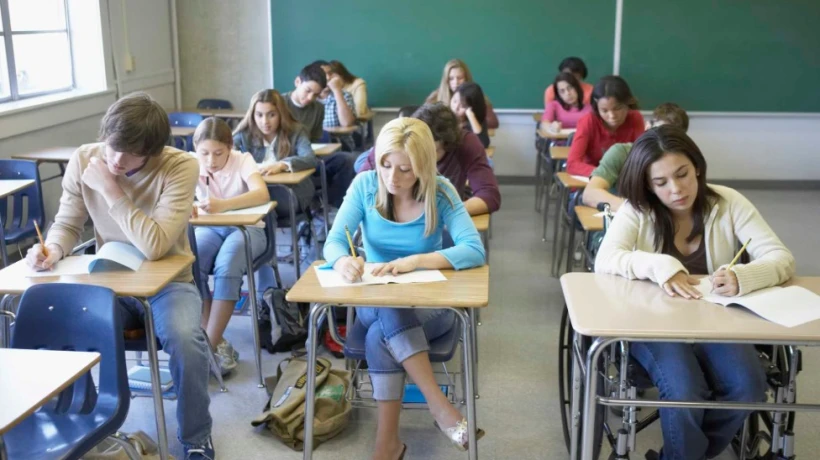
This article explores how integrating Social-Emotional Learning (SEL) across literacy, math, and physical education fosters resilience and empathy in primary students. It highlights the vital role of school staff and professional standards in creating a supportive, calm environment conducive to both emotional well-being and academic success.
The landscape of primary education has shifted dramatically in recent years, moving beyond a purely academic focus to a more holistic approach that prioritizes the emotional well-being of the student. Social-Emotional Learning (SEL) is the process through which children and adults acquire and effectively apply the knowledge, attitudes, and skills necessary to understand and manage emotions, set and achieve positive goals, feel and show empathy for others, establish and maintain positive relationships, and make responsible decisions. Integrating these concepts into the daily primary curriculum is no longer a luxury but a necessity for creating a resilient generation of learners.
The Foundation of Self-Awareness in Early Literacy
Literacy lessons provide a unique and powerful window into the world of self-awareness and empathy. When children engage with stories, they are not just learning to decode words; they are learning to decode human emotions. By carefully selecting diverse literature that highlights various emotional responses to conflict, teachers can encourage students to reflect on their own feelings. For instance, discussing a character’s bravery or anxiety during a difficult task helps children put words to their own internal states. This explicit vocabulary building is the first step in emotional regulation. Furthermore, creating a classroom atmosphere where children feel safe to share these reflections is essential. This sense of security must extend to all school activities, including formal assessments, where the presence of a professional who has taken an invigilator course can ensure that the testing environment remains a space of quiet confidence rather than high-stakes panic.
Mathematical Problem Solving as a Tool for Resilience
Mathematics is often viewed as a subject of logic and right-or-wrong answers, but it is also one of the best environments for practicing resilience and "growth mindset." When a student encounters a complex word problem that they cannot immediately solve, they experience frustration—a key SEL moment. Teachers can integrate SEL by reframing these moments of struggle as opportunities for "productive struggle." Instead of providing the answer, educators can guide students through self-regulation techniques, such as deep breathing or positive self-talk, to manage the stress of a difficult challenge. This builds the grit necessary for long-term academic success. Even during more formal examinations or mock tests, maintaining this sense of calm persistence is crucial. This is why staff members who understand the nuances of the school environment, perhaps through a specialized invigilator course, are so valuable; they help maintain the professional yet supportive boundaries that allow students to focus on their resilience rather than their nerves.
Collaborative Learning in Science and Social Studies
Science and social studies offer perfect opportunities for developing relationship skills and social awareness through collaborative inquiry. When students work in small groups to conduct an experiment or research a historical event, they must navigate the complexities of group dynamics, including active listening, conflict resolution, and the division of labor. These "soft skills" are essential for future success in the workforce. SEL integration here means teaching students how to give and receive constructive feedback and how to value the diverse perspectives of their peers. By fostering a collaborative spirit, schools prepare children for a world that requires teamwork. This professional standard of conduct and fairness is a thread that runs through the entire school experience. It is mirrored in the way school staff conduct themselves during high-pressure situations, ensuring that every protocol is followed accurately—a level of detail often mastered through an invigilator course.
The Role of Physical Education in Emotional Regulation
Physical Education (PE) is perhaps the most obvious place for SEL integration, yet its potential is often underutilized. Team sports and physical challenges are ripe with opportunities to teach self-management and social awareness. Learning how to win with grace and lose with dignity is a fundamental life skill that directly relates to emotional regulation. PE teachers can use games to teach students how to identify the physical signs of anger or excitement and how to use movement to burn off excess stress. This physical-emotional connection is vital for primary-aged children who may not yet have the verbal capacity to express their internal turmoil. When students learn to manage their bodies and their tempers on the field, they are better equipped to manage their focus in the classroom. This culture of discipline and self-control is what makes a school function smoothly, especially when supported by staff who have the patience and training provided by an invigilator course.
Mindfulness and Environmental Design for Mental Health
Finally, the physical environment of the school and the inclusion of mindfulness practices can serve as a "silent teacher" for SEL. Creating "calm-down corners" or implementing two-minute breathing exercises at the start of each lesson can significantly lower the collective cortisol levels of a classroom. SEL integration means that these practices are not isolated incidents but part of the school's DNA. When the entire school community—including support staff, administrators, and those who have qualified through an invigilator course—understands the importance of a calm, predictable environment, the students flourish. A predictable environment reduces the "flight or fight" response, allowing the prefrontal cortex to engage in higher-order thinking. By prioritizing social-emotional learning across every subject and every school interaction, we are not just teaching children how to pass tests; we are teaching them how to navigate the complexities of life with empathy, intelligence, and strength.
Conclusion: A Holistic Approach to Primary Education
In conclusion, the integration of social-emotional learning across the primary curriculum is an investment in the future of our society. When SEL is treated as a core component of literacy, math, science, and PE, it transforms the school from a factory of facts into a garden of growth. This transformation requires the dedication of every adult in the building to model the behaviors we wish to see in our children. Professionalism, integrity, and emotional intelligence must be the standard for all school operations.

Comments
Login to Comment