Patient Preparation for ECG: What Students Must Know
06 Mar, 2026
5774 Views 0 Like(s)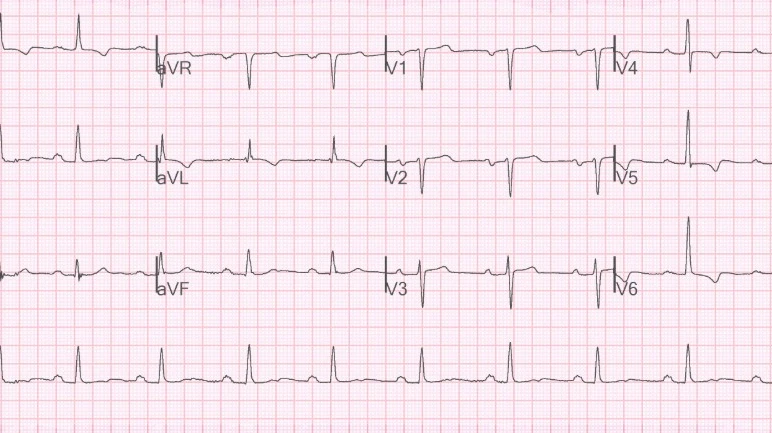
Learn the essential steps for patient preparation before an ECG test. A practical guide for healthcare students covering positioning, electrode placement, and safety procedures.
Accurate ECG results begin long before the machine starts recording. Proper patient preparation is crucial for reliable readings and effective cardiac assessment. For healthcare students and beginners, understanding how to prepare a patient correctly is one of the most important clinical skills to master.
Electrocardiography (ECG) is widely used in hospitals, GP practices, and diagnostic centres across the UK. The test records the electrical activity of the heart and helps healthcare professionals identify irregular rhythms, heart attacks, and other cardiac conditions.
Even small mistakes during preparation can affect the ECG reading and lead to inaccurate results. Therefore, students learning ECG procedures must understand the correct preparation process before performing the test.
Understanding the Purpose of an ECG
An ECG (Electrocardiogram) measures the electrical signals produced by the heart. These signals help clinicians evaluate how the heart beats and whether the rhythm is normal.
Healthcare professionals commonly use ECG tests to:
-
Detect heart rhythm abnormalities
-
Diagnose heart attacks
-
Monitor heart health
-
Assess chest pain or shortness of breath
-
Check the effectiveness of cardiac treatments
For students enrolled in an ECG training course, learning the correct patient preparation process ensures accurate and clinically useful ECG readings.
Why Patient Preparation Is Important
Proper preparation ensures the ECG machine records a clear, reliable signal from the heart. If preparation steps are skipped or performed incorrectly, the ECG trace may show interference or artefacts.
Common issues caused by poor preparation include:
-
Electrical interference in ECG readings
-
Misplacement of electrodes
-
Skin resistance affecting signal quality
-
Patient movement is causing irregular recordings
Correct preparation reduces these problems and helps healthcare professionals interpret the results more effectively.

Key Steps in Patient Preparation for ECG
Students learning ECG procedures must follow a structured preparation process to ensure accuracy and patient comfort.
1. Verify Patient Identity
Before performing any medical procedure, confirming the patient’s identity is essential.
Students should check:
-
Patient name
-
Date of birth
-
Medical record number
This step prevents errors and ensures the ECG results are recorded for the correct patient.
2. Explain the Procedure to the Patient
Many patients feel anxious about medical tests, especially when equipment and wires are involved. Clear communication helps patients feel more comfortable.
Explain the following points:
-
The ECG is painless and non-invasive
-
Small adhesive electrodes will be placed on the chest, arms, and legs
-
The test usually takes only a few minutes
-
The patient must remain still during the recording
Providing reassurance improves cooperation and reduces patient anxiety.
3. Ensure Patient Comfort and Privacy
Respecting patient comfort and privacy is an important part of professional healthcare practice.
Students should:
-
Offer a private examination area
-
Ask the patient to remove clothing from the upper body if required
-
Provide a hospital gown or drape if necessary
-
Ensure the patient is lying comfortably on the examination couch
A relaxed patient is less likely to move during ECG recording, thereby improving accuracy.
4. Position the Patient Correctly
Correct patient positioning helps produce consistent ECG recordings.
The standard position for an ECG test is:
-
Patient lying flat on their back (supine position)
-
Arms relaxed at the sides
-
Legs uncrossed
This position reduces muscle tension and movement that could interfere with the ECG signal.
5. Prepare the Skin for Electrode Placement
Skin preparation is essential because the electrodes must detect electrical signals from the heart through the skin.
Students should prepare the skin by:
-
Cleaning the skin with alcohol wipes
-
Removing oils, lotions, or sweat
-
Shaving excessive chest hair if necessary
-
Drying the skin before applying electrodes
Proper skin preparation improves electrode contact and ensures accurate ECG readings.
Students completing an ecg training course certification are usually taught these preparation techniques during practical sessions to ensure they can perform ECG tests confidently in clinical settings.
Correct Placement of ECG Electrodes
Once the patient is prepared, electrodes must be placed correctly on the body.
A standard 12-lead ECG uses ten electrodes positioned on the chest and limbs.
Limb Electrodes
Limb electrodes are placed on:
-
Right arm
-
Left arm
-
Right leg
-
Left leg
These electrodes help measure electrical activity from different angles.
Chest Electrodes
Chest electrodes are placed at specific positions on the chest:
-
V1 – Fourth intercostal space, right side of sternum
-
V2 – Fourth intercostal space, left side of sternum
-
V3 – Between V2 and V4
-
V4 – Fifth intercostal space, mid-clavicular line
-
V5 – Same horizontal level as V4, anterior axillary line
-
V6 – Same level as V4, mid-axillary line
Correct placement is essential because even small errors can affect ECG interpretation.
Common Mistakes Students Should Avoid
Beginners often make mistakes during patient preparation that can affect ECG quality. Being aware of these errors helps students improve their technique.
Common mistakes include:
-
Incorrect electrode placement
-
Poor skin preparation
-
Allowing the patient to move during recording
-
Not explaining the procedure properly
-
Ignoring electrical interference from nearby devices
Students should always follow standard clinical guidelines to avoid these issues.
Infection Control and Safety
Infection control is an important part of ECG procedures. Healthcare students must follow hygiene protocols to protect both themselves and patients.
Safety practices include:
-
Washing hands before and after the procedure
-
Using disposable electrodes when possible
-
Cleaning reusable equipment after use
-
Wearing gloves when required
-
Properly disposing of clinical waste
Maintaining hygiene standards is essential in all healthcare environments.
Importance of Communication Skills
Technical skills alone are not enough to perform ECG tests effectively. Good communication is also essential.
Students should:
-
Speak clearly and professionally
-
Reassure nervous patients
-
Give clear instructions during the test
-
Answer patient questions calmly
Strong communication skills improve patient cooperation and create a positive clinical experience.

Practical Training for ECG Students
Learning ECG theory is important, but hands-on practice is essential for mastering the procedure. Practical training helps students develop confidence and accuracy when preparing patients and placing electrodes.
During training, students typically learn:
-
Patient preparation techniques
-
Correct electrode placement
-
Operating ECG machines
-
Identifying basic ECG patterns
-
Recording and storing ECG results
Practical experience ensures students are ready to perform ECG tests safely in real healthcare settings.
Conclusion
Patient preparation is a critical step in performing an accurate ECG test. From verifying patient identity to preparing the skin and correctly placing electrodes, every step contributes to reliable cardiac recordings.
Healthcare students must learn not only the technical aspects of ECG testing but also the importance of patient communication, comfort, and safety. Proper preparation reduces errors, improves diagnostic accuracy, and ensures a professional clinical experience.
For students pursuing a healthcare career, developing strong ECG skills through structured training and practical learning can significantly improve confidence and employability in hospitals, clinics, and diagnostic centres.
FAQs
1. Why is patient preparation important before an ECG?
Proper preparation ensures accurate ECG readings and reduces interference or recording errors.
2. How should a patient be positioned for an ECG test?
The patient should lie flat on their back with arms relaxed and legs uncrossed.
3. Does ECG testing cause pain?
No. ECG tests are painless and non-invasive.
4. How long does an ECG test take?
A standard ECG test usually takes around 5–10 minutes.
5. What should patients avoid before an ECG?
Patients should avoid heavy movement and ensure the chest area is clean and free from lotions or oils.



Comments
Login to Comment