Is Sunekos Injection Treatment suitable for all skin types?
12 Oct, 2026
9 Views 0 Like(s)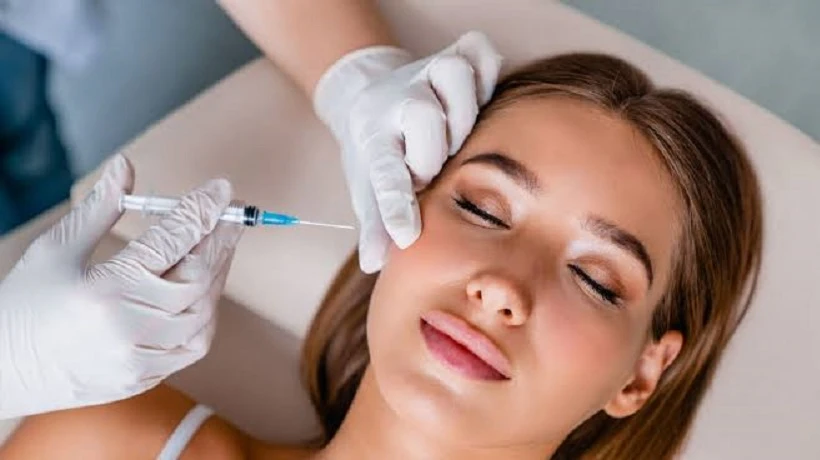
Discover whether Sunekos Injection Treatment suits different skin types, including dry, oily, sensitive, and mature skin, and learn about suitability and precautions.
Sunekos Injection Treatment is a non-surgical aesthetic procedure designed to improve skin hydration, elasticity, and texture. For individuals considering حقن سونيكوس في دبي, understanding its suitability for different skin types is an important part of making an informed decision. Sunekos may be appropriate for many adults with different skin characteristics, including dry, mature, sensitive, or dehydrated skin. However, suitability depends on individual skin concerns, medical history, allergies, and treatment goals. A qualified practitioner should assess the skin before recommending injections to determine whether the treatment is appropriate and how it should be performed.
Is Sunekos Suitable for Different Skin Types?
Sunekos is designed to support skin quality rather than simply add facial volume. Its formulation combines hyaluronic acid with amino acids to support hydration and the skin's natural processes involved in collagen and elastin production.
Different skin types may benefit from treatment when the primary concerns involve dehydration, fine lines, or reduced elasticity. However, the response varies between individuals, and having a particular skin type does not automatically make someone a suitable candidate.
Dry Skin:
People with dry or dehydrated skin may consider Sunekos because hyaluronic acid helps attract and retain moisture. Treatment may support improved hydration and a smoother-looking skin surface.
However, dryness can also result from irritation, eczema, or other skin conditions. A practitioner should identify the underlying concern before recommending injections.
Oily Skin:
Oily skin does not automatically prevent someone from receiving Sunekos. The treatment focuses on skin quality rather than directly controlling oil production.
People with oily skin who experience dehydration or fine lines may be considered for treatment following an assessment. Active inflammation or infection in the intended injection area should be evaluated before proceeding.
Sensitive Skin:
People with sensitive skin may be suitable candidates, but additional care is necessary. Sensitive skin can react to skincare products, environmental changes, and injectable procedures.
A practitioner should review previous allergic reactions, skin irritation, and any history of sensitivity to the product's ingredients. Treatment may need to be postponed if the skin is irritated or inflamed.
Mature Skin:
Mature skin may develop fine lines, reduced elasticity, and changes in texture over time. Sunekos may help improve selected signs of skin aging by supporting hydration and collagen-related processes.
Results depend on the individual's skin condition and treatment plan. People with substantial skin laxity may require a different or complementary approach.
Combination Skin:
Combination skin includes areas that are oily alongside areas that are dry or dehydrated. This does not necessarily exclude someone from treatment.
The practitioner can assess the different areas of the face and determine whether Sunekos is appropriate for the patient's overall skin concerns.
Does Skin Tone Affect Sunekos Suitability?
Skin tone alone does not necessarily determine whether someone can receive Sunekos. Unlike certain laser treatments that use light energy to target specific structures in the skin, Sunekos is administered through injections.
Nevertheless, skin condition, healing characteristics, previous reactions, and the possibility of post-inflammatory pigmentation should be considered. Anyone with a history of unusual scarring, persistent inflammation, or pigmentation changes should discuss these concerns during consultation.
The practitioner should also explain the possible risks and expected results based on the individual's skin characteristics.
Who May Be a Suitable Candidate?
Sunekos may be considered for adults who want to improve selected aspects of skin quality without undergoing surgery. Potential candidates may include people concerned about:
- Dehydrated or dull-looking skin
- Fine lines and early signs of aging
- Reduced skin elasticity
- Uneven or rough-looking skin texture
- Delicate skin around the eyes, where treatment is appropriate
The best candidates generally have realistic expectations and understand that improvements develop gradually. A consultation is necessary to determine whether Sunekos is suitable or whether another treatment would better address the concern.
Who Should Avoid or Postpone Sunekos Treatment?
Although Sunekos may be suitable for many skin types, it is not appropriate for everyone. Treatment may be contraindicated or need to be postponed in certain circumstances, including:
- Known allergies: A known hypersensitivity to hyaluronic acid or another product ingredient may prevent treatment.
- Active skin infection: Infections or significant inflammation at the intended injection site generally require treatment before injections are considered.
- Pregnancy or breastfeeding: Treatment is generally avoided because adequate safety information may be limited.
- Certain medical conditions: Autoimmune disorders, bleeding problems, a history of severe allergic reactions, or other relevant conditions may require additional assessment.
- Recent procedures or illness: The practitioner may recommend delaying treatment depending on recent facial procedures, active illness, or healing concerns.
This list is not exhaustive. The product's instructions and the practitioner's medical assessment determine suitability in each case.
How Does a Practitioner Assess Your Skin?
Before treatment, the practitioner reviews your medical history, allergies, current medications, previous cosmetic procedures, and skincare routine. They examine the intended treatment area and discuss your concerns and expectations.
You should mention any history of cold sores, unusual scarring, significant allergic reactions, or medications that may affect bleeding. Do not stop prescribed medication without medical advice.
The practitioner can then explain the likely benefits, potential side effects, alternatives, and number of sessions that may be recommended. This assessment helps establish whether the procedure is appropriate for your individual needs.
Frequently Asked Questions:
Can Sunekos Be Used on Sensitive Skin?
Potentially, yes. However, sensitive skin requires careful assessment, particularly if there is active irritation, inflammation, or a history of allergic reactions.
Is Sunekos Suitable for Dark Skin?
Skin tone alone does not necessarily exclude someone from treatment. A practitioner should assess skin condition, healing history, and individual risk factors before proceeding.
Can People With Acne Receive Sunekos?
It depends on the condition of the skin. Active infection or significant inflammation in the intended treatment area may require treatment to be postponed until the skin has settled.
Does Sunekos Work Equally Well for Everyone?
No. Results vary according to skin condition, age, treatment area, and individual response. No particular result can be guaranteed.
Do I Need a Consultation Before Sunekos?
Yes. A professional consultation helps establish suitability, identify potential contraindications, and develop an appropriate treatment plan.
Conclusion:
Sunekos Injection Treatment may be suitable for many adults with different skin types, including dry, oily, combination, sensitive, and mature skin. However, suitability depends on more than skin type alone. Medical history, allergies, active skin conditions, and individual treatment goals must also be considered. A consultation with a qualified practitioner can help determine whether Sunekos is appropriate, explain potential risks, and establish realistic expectations for improving hydration, elasticity, and overall skin quality.

Comments
Login to Comment