Is Laser Tattoo Removal Safe for Dark Tattoos?
28 Aug, 2026
508 Views 0 Like(s)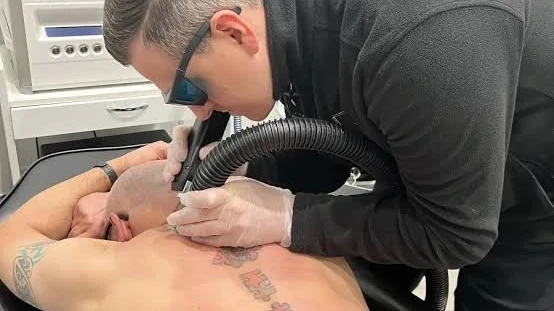
Discover whether Laser Tattoo Removal Abu Dhabi is suitable for dark tattoos and deeper skin tones. Learn how laser technology targets tattoo pigment, what affects the removal process, and why a personalized approach is important for gradual tattoo fading.
Tattoos are a form of personal expression, but preferences and circumstances can change over time. An old design may no longer reflect someone's style, or a tattoo may simply become something they wish to remove. Advances in laser technology have made tattoo removal a popular option for people seeking a clearer appearance. For individuals with deeper skin tones, however, understanding how the treatment interacts with both tattoo ink and natural skin pigmentation is especially important. Laser Tattoo Removal Abu Dhabi is designed to target unwanted tattoo pigment while taking individual skin characteristics and tattoo details into consideration.
Dark tattoos and dark skin are two different factors that can influence the tattoo removal process. A dark-colored tattoo refers to the color of the ink used in the design, while darker skin tones contain higher levels of melanin. Understanding this distinction helps people know what to expect from a personalized laser tattoo removal approach.
Understanding How Laser Tattoo Removal Works
Laser tattoo removal uses concentrated pulses of light energy to break tattoo pigment into smaller particles. The body gradually processes these fragmented particles over time, allowing the tattoo to fade progressively.
Different tattoo colors respond differently to particular wavelengths of laser energy. Dark tattoo pigments, especially black ink, often absorb laser energy effectively because of their strong contrast and light-absorbing properties. This can make dark ink a common focus of laser tattoo removal treatments.
The process is gradual rather than immediate. Each treatment session contributes to the progressive breakdown of tattoo pigment, and the overall response depends on the characteristics of the tattoo and the individual receiving treatment.
What Makes Dark Tattoos Different?
Dark tattoos can include black, deep blue, dark green, or other richly pigmented shades. These inks are visually bold because they contain a high concentration of pigment. When considering removal, the type and depth of the ink can influence how the laser interacts with the tattoo.
Black ink is generally known for absorbing a broad range of laser wavelengths effectively. As a result, it can often respond well to appropriately selected laser technology. However, the appearance of the tattoo is not the only factor considered during treatment planning.
The age of the tattoo, density of the pigment, location on the body, and individual skin characteristics can all influence the removal journey. A professional assessment helps determine an approach that matches these factors.
Is Laser Tattoo Removal Suitable for Darker Skin Tones?
Laser tattoo removal can be considered for a variety of skin tones when the treatment approach is carefully tailored to the individual. Darker skin contains more melanin, which is a natural pigment that contributes to skin color. Because laser energy interacts with pigment, treatment planning requires attention to both the tattoo ink and the surrounding skin.
Modern laser systems can offer different wavelengths and settings that allow treatment parameters to be selected according to the tattoo and skin characteristics. The goal is to focus laser energy on the unwanted tattoo pigment while respecting the natural pigmentation of the skin.
A proper evaluation before treatment is valuable because no two tattoos or skin types are exactly alike. Factors such as natural skin tone, tattoo color, tattoo depth, and previous changes to the tattoo can help guide the treatment plan.
Why the Right Laser Technology Matters
Laser technology plays an important role in the tattoo removal process. Different laser wavelengths interact with different colors of tattoo ink, and selecting an appropriate wavelength can help create a more targeted approach.
For dark tattoos, the ability of the laser to reach and fragment deeply deposited pigment is an important consideration. Advanced laser systems are designed to deliver energy in very short pulses, which can help break tattoo particles into smaller fragments.
The treatment settings may be adjusted based on the individual's skin characteristics and the specific tattoo being treated. This personalized approach supports a controlled and carefully planned removal process rather than applying the same settings to every tattoo.
What to Expect During the Tattoo Removal Journey
Laser tattoo removal usually involves a series of treatment sessions because tattoo pigment is gradually broken down over time. The number of sessions can vary depending on the tattoo's size, color, density, and age.
Dark tattoos may show gradual changes as the pigment responds to laser treatment. Some areas of the design may fade at a different pace than others, particularly when the tattoo contains multiple layers or varying concentrations of ink.
Spacing treatment sessions appropriately gives the body time to process fragmented ink particles. Progress is assessed throughout the removal journey, allowing the approach to remain focused on the individual's tattoo and skin characteristics.
Can Old and Dark Tattoos Be Treated?
The age of a tattoo can influence its appearance and how its pigment responds to laser treatment. Older tattoos may already show some natural fading, while newer tattoos may contain more concentrated pigment. Both situations require an individualized evaluation.
Dark tattoos that have been present for many years may have different pigment patterns compared with recently applied designs. The treatment approach is based on the current condition of the tattoo rather than relying on age alone.
Laser technology can be used to address unwanted dark tattoo pigment in a gradual and controlled manner. The expected outcome depends on the unique characteristics of the tattoo and how it responds over the course of treatment.
The Importance of Individual Assessment
An individual assessment is an essential part of planning laser tattoo removal. The tattoo is evaluated for its color, location, size, pigment density, and overall condition. Natural skin characteristics are also considered to help select suitable treatment parameters.
For people with darker skin tones, this personalized planning is particularly important because the treatment should account for the presence of natural melanin alongside the tattoo pigment. A tailored approach allows the treatment to focus on the specific needs of each person.
Clear expectations are also helpful. Tattoo removal is a progressive process, and results can differ from one individual to another. Understanding this from the beginning can make the experience easier to follow and evaluate.
Preparing for a Laser Tattoo Removal Consultation
Before beginning the removal process, it is helpful to have accurate information about the tattoo's history. Knowing approximately when it was applied, whether it has been treated before, and what colors it contains can provide useful context.
The tattoo should also be examined in its current condition. Changes in the appearance of the design, such as natural fading or differences in pigment density, may influence the treatment strategy.
During the consultation process, individuals can discuss their goals and learn more about how the treatment may be tailored to their tattoo. This supports a more informed decision and helps establish realistic expectations about the gradual nature of tattoo fading.
Final Thoughts
Dark tattoos can be addressed with modern laser technology through a carefully personalized treatment approach. The interaction between tattoo pigment and natural skin tone makes individual planning an important part of the process, particularly for people with deeper skin tones. Understanding how laser energy targets ink, why treatment is gradual, and what factors influence the journey can help individuals make informed decisions.
With realistic expectations and an approach tailored to the tattoo and skin characteristics, Laser Tattoo Removal Abu Dhabi offers a modern method for people who want to gradually reduce the appearance of unwanted dark tattoo ink.
FAQs
Is Laser Tattoo Removal Abu Dhabi safe for dark tattoos?
Laser tattoo removal can be performed using a personalized approach that considers both the dark tattoo pigment and the individual's natural skin tone. Appropriate technology and treatment settings are important for creating a carefully tailored removal plan.
Does black tattoo ink respond to laser treatment?
Black ink absorbs laser energy effectively and is often considered responsive to laser tattoo removal. The degree of fading can vary depending on pigment density, tattoo depth, and other individual factors.
How many sessions are needed to remove a dark tattoo?
The number of sessions varies from person to person. Factors such as the tattoo's size, age, ink density, location, and response to treatment can influence the overall number of sessions.
Can darker skin tones undergo laser tattoo removal?
Individuals with darker skin tones can explore laser tattoo removal through a treatment plan that takes natural skin pigmentation into account. An individual assessment helps determine an appropriate approach.
Will a dark tattoo disappear immediately after treatment?
Tattoo removal is a gradual process. Laser energy breaks the pigment into smaller particles, and the tattoo typically fades progressively over time and across treatment sessions.
What factors affect the results of dark tattoo removal?
The tattoo's color, age, size, pigment density, depth, and location can all influence its response. Individual skin characteristics and the selected treatment approach are also important considerations.


Comments
Login to Comment