Business Equipment Loans: A Complete Guide for Small Business Owners
12 Oct, 2026
5 Views 0 Like(s)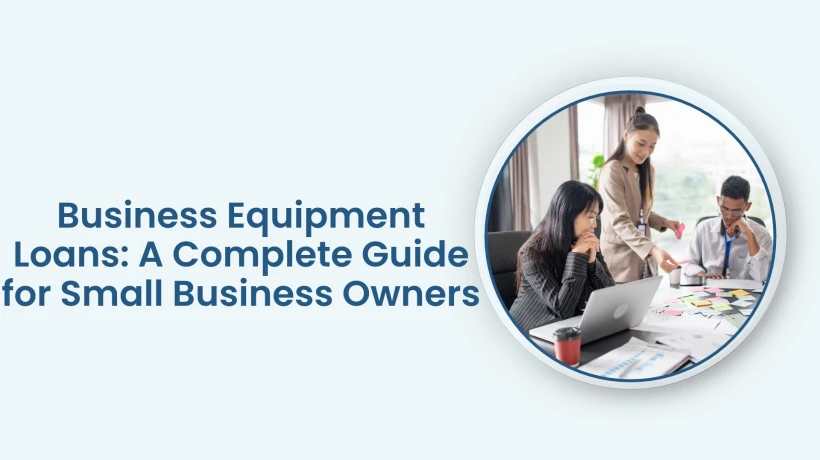
Business equipment loans can provide small business owners with a practical way to purchase essential assets, preserve working capital, and support sustainable growth.
Small businesses often need reliable equipment to operate efficiently, improve productivity, and remain competitive. Whether a company requires manufacturing machinery, commercial vehicles, office technology, construction tools, or specialized equipment, purchasing these assets can involve a significant financial investment. For many business owners, paying the entire cost upfront may put unnecessary pressure on working capital. Business equipment loans offer a practical financing solution that helps companies acquire essential equipment while managing their cash flow.
For small business owners looking to expand operations, replace outdated machinery, or invest in new technology, understanding how equipment financing works is an important step toward making informed financial decisions.
What Are Business Equipment Loans?
Business equipment loans are financing solutions designed to help businesses purchase equipment needed for their daily operations or long-term growth. Instead of paying the full purchase price immediately, a business borrows money from a lender and repays it through scheduled installments over an agreed period.
Depending on the lender and financing structure, the equipment being purchased may serve as collateral for the loan. This arrangement can help businesses obtain funding without necessarily pledging unrelated business assets, although additional guarantees or security may be required.
Equipment loans are commonly used by small businesses across industries such as construction, transportation, manufacturing, healthcare, hospitality, agriculture, and professional services.
Why Do Small Businesses Need Equipment Financing?
Equipment plays a critical role in business performance. Outdated machinery, insufficient tools, or limited production capacity can affect efficiency, customer satisfaction, and profitability. However, purchasing expensive assets outright can reduce the funds available for payroll, inventory, rent, marketing, and other operating expenses.
Equipment financing allows business owners to spread the cost of an investment over time. This approach can help preserve working capital while making it possible to acquire the resources needed to support business activities.
For example, a construction company may need additional machinery to complete larger projects, while a restaurant may require upgraded kitchen equipment to serve more customers. A delivery company might finance additional vehicles to meet growing demand. In each case, financing can help the business obtain necessary assets while maintaining access to cash for other expenses.
Types of Equipment That Can Be Financed
Business equipment loans can support a wide range of purchases, depending on lender requirements and the equipment's intended use.
Manufacturing and industrial machinery:
Manufacturers may finance production machines, packaging systems, processing equipment, and automated tools to improve output and operational efficiency.
Commercial vehicles:
Delivery vans, trucks, service vehicles, and other business transportation assets may qualify for equipment financing.
Construction equipment:
Contractors may require excavators, loaders, forklifts, generators, and specialized machinery to complete projects efficiently.
Office technology:
Computers, servers, networking systems, and other essential technology can help businesses modernize their operations.
Medical and healthcare equipment:
Eligible businesses may finance diagnostic devices, treatment equipment, and other professional tools required for their services.
Restaurant and hospitality equipment:
Commercial ovens, refrigeration systems, food preparation machinery, and laundry equipment can support day-to-day business operations.
Before applying, business owners should confirm that the equipment and intended use meet the lender's financing criteria.
Key Benefits of Business Equipment Loans
One of the main advantages of equipment financing is the ability to acquire important assets without paying the entire cost upfront. This can help businesses manage available funds more effectively.
Another benefit is predictable repayment. Fixed repayment schedules, when offered, make it easier to plan monthly expenses and incorporate financing costs into a business budget.
Equipment financing can also support business expansion. Access to improved machinery or additional vehicles may increase production capacity, reduce delays, and allow a company to serve more customers.
In addition, businesses may be able to finance new or used equipment, depending on lender policies. This flexibility can help owners choose assets that suit their operational needs and budgets.
Some financing arrangements may also offer tax advantages. However, tax treatment depends on the business's circumstances, the financing agreement, and applicable tax rules. Business owners should consult a qualified tax professional before making decisions based on potential deductions.
How to Qualify for an Equipment Loan
Lenders generally evaluate several factors when reviewing equipment financing applications. Understanding these requirements can help business owners prepare a stronger application.
Credit history:
Personal and business credit profiles may influence eligibility, interest rates, and repayment terms.
Business revenue:
Lenders often review revenue and cash flow to determine whether the business can comfortably manage the proposed repayments.
Time in business:
Some lenders prefer established businesses, while others offer programs for newer companies that meet alternative eligibility requirements.
Equipment details:
Information about the equipment's price, condition, age, seller, and expected business use may be required.
Financial documentation:
Applicants may need to provide bank statements, tax returns, financial statements, identification, and other supporting documents.
Requirements vary by lender, so business owners should compare available options rather than assuming every financing provider follows the same criteria.
Steps to Apply for Business Equipment Financing
Applying for equipment financing becomes easier when the process is organized.
First, identify the equipment your business needs and obtain a clear purchase quotation. Consider whether the investment is essential, how it will improve operations, and what financial return it may generate.
Second, establish a realistic budget. Include the purchase price, any required down payment, insurance, maintenance, installation, and other ownership costs.
Third, review your business finances. Assess monthly revenue, existing debt obligations, and available cash flow to estimate an affordable repayment amount.
Fourth, compare lenders and financing offers. Evaluate interest rates, fees, loan terms, collateral requirements, repayment flexibility, and any early repayment conditions.
Finally, submit the application with accurate supporting documents. Review the agreement carefully before signing, paying particular attention to the total repayment amount and any additional obligations.
How to Choose the Right Equipment Loan
The lowest advertised interest rate does not always represent the most affordable financing option. Business owners should compare the total cost of borrowing, including origination fees, documentation charges, and other applicable costs.
The repayment term also matters. A longer term may reduce individual payments but increase the total interest paid. A shorter term may reduce overall interest while creating higher monthly obligations.
It is equally important to consider the equipment's useful life. Ideally, the repayment period should align reasonably with the period during which the equipment is expected to generate business value.
Before proceeding, calculate whether the expected improvements in productivity, revenue, or operating costs justify the financing expense. Avoid borrowing more than the business can comfortably repay.
Common Mistakes to Avoid
Small business owners should avoid choosing financing solely because an application is easy or approval appears quick. Every offer should be assessed for affordability and transparency.
Other common mistakes include underestimating maintenance expenses, overlooking additional fees, borrowing without a clear business purpose, and failing to review default provisions. Businesses should also avoid relying on optimistic revenue projections when calculating repayment capacity.
A well-planned equipment purchase should support business objectives without creating unnecessary financial pressure.
Conclusion
Business equipment loans can provide small business owners with a practical way to purchase essential assets, preserve working capital, and support sustainable growth. By understanding the available financing options, reviewing eligibility requirements, comparing lenders, and calculating the full cost of borrowing, businesses can make better-informed investment decisions.
BlackStone Funding LLC can be explored as a potential resource for business financing solutions. Before selecting any financing provider, business owners should review the available programs, confirm eligibility, and carefully evaluate the terms offered.
Ultimately, the right equipment financing strategy is one that meets immediate operational needs while maintaining a manageable repayment schedule and supporting the business's long-term financial stability.

Comments
Login to Comment