Is Copper T Safe for Long-Term Pregnancy Prevention
16 Oct, 2026
5 Views 0 Like(s)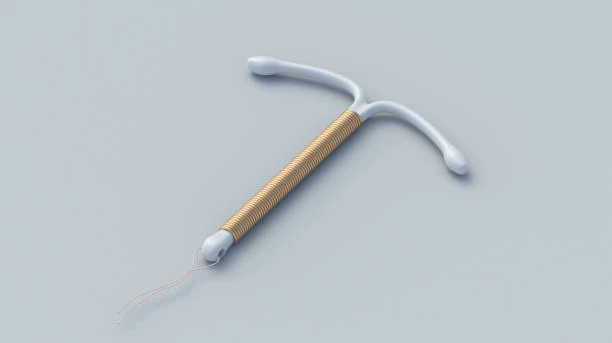
The Copper T is a highly effective, hormone-free option for long-term pregnancy prevention and can be used safely by many people when appropriately selected and monitored.
Choosing a reliable method of contraception is an important decision for people who want to prevent pregnancy while maintaining flexibility for future family planning. The Copper T is a hormone-free intrauterine device (IUD) designed to provide long-lasting pregnancy prevention without requiring daily attention. People researching Copper T in Abu Dhabi often want to understand how this contraceptive works, how long it can remain in place, and whether it is suitable for extended use. When appropriately selected, inserted, and monitored, the Copper T is considered a safe and highly effective option for many individuals seeking reversible, long-term contraception.
What Is a Copper T and How Does It Work?
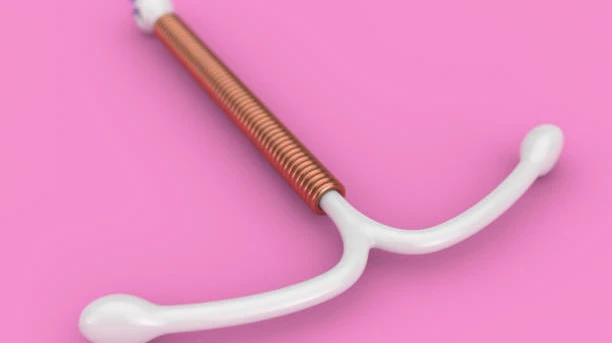
The Copper T is a small, T-shaped contraceptive device placed inside the uterus by a qualified healthcare professional. It contains copper, which creates an environment that interferes with sperm movement and function, making fertilization much less likely. Unlike hormonal contraceptives, it does not release hormones to prevent pregnancy.
One of its main advantages is that it provides continuous protection without requiring the user to remember a daily pill or follow a recurring contraceptive schedule. Once inserted, it works continuously throughout its approved lifespan. This makes it a practical option for people who prefer a low-maintenance method of pregnancy prevention.
The Copper T does not protect against sexually transmitted infections, so additional protection may be appropriate depending on an individual's circumstances.
Is Copper T Safe for Long-Term Use?
For many people, the Copper T is a safe option for long-term pregnancy prevention when it is suitable for their medical circumstances and used within its approved duration. Its safety and effectiveness have made it an established choice for individuals who want reliable contraception without hormones.
The device can remain in place for several years, depending on the specific model. Some copper IUDs are approved for up to ten years or longer, so it is important to confirm the recommended duration for the particular device. Continuing to use it within that period generally provides dependable contraceptive protection.
Long-term safety also depends on appropriate insertion, the absence of conditions that make the device unsuitable, and access to healthcare when concerns arise. A healthcare professional can review relevant medical history and explain whether the Copper T is a suitable option for an individual's long-term reproductive plans.
How Effective Is Copper T at Preventing Pregnancy?
The Copper T is among the most effective reversible contraceptive methods available. It has a failure rate of less than one pregnancy per 100 users during the first year of typical use. Its effectiveness does not depend on remembering to take medication or using contraception correctly during every sexual encounter.
Because the device works continuously after insertion, it offers consistent protection throughout its approved lifespan. This can be especially helpful for individuals who want to avoid interruptions in contraception because of busy schedules or changing routines.
Although pregnancy is uncommon with a correctly positioned Copper T, no contraceptive method is completely effective. If pregnancy is suspected while the device is in place, prompt medical assessment is important to establish the pregnancy's location and determine appropriate care.
How Long Can a Copper T Remain in Place?
The approved lifespan of a Copper T depends on the exact device. Many copper IUDs provide protection for five to ten years, while certain models may be approved for longer periods. The product's specific instructions determine when it should be replaced or removed.
An important advantage of long-acting contraception is that users do not need to replace the device frequently. However, they should know the insertion date and recommended removal date so that contraceptive protection is not unintentionally extended beyond the approved period.
If pregnancy prevention is still desired when the device reaches the end of its approved lifespan, a healthcare professional can discuss removal and replacement. The Copper T can also be removed earlier if the individual's reproductive goals change.
Who Can Consider Copper T for Long-Term Pregnancy Prevention?
The Copper T may be suitable for adults seeking reliable, hormone-free contraception, including individuals who want to delay pregnancy for several years. It can also be an option for people who prefer a reversible method and may wish to become pregnant in the future.
However, suitability varies according to individual health circumstances. A history of certain uterine conditions, an active pelvic infection, unexplained vaginal bleeding, or a known or suspected pregnancy may affect whether insertion is appropriate. A professional assessment helps identify relevant considerations before the device is placed.
The Copper T can be used by many people who have not previously given birth, although individual circumstances should guide contraceptive selection. Discussing future pregnancy plans, menstrual patterns, and personal preferences can help establish whether this method meets a person's needs.
Does Copper T Affect Future Fertility?
One of the important benefits of the Copper T is that it provides reversible contraception. It does not permanently prevent pregnancy, and fertility generally returns promptly after the device is removed.
People who want to delay pregnancy without making a permanent decision may appreciate this flexibility. Once the device is removed, there is generally no need to wait for hormones to leave the body because the Copper T does not contain contraceptive hormones.
However, fertility can be influenced by age and other reproductive health factors unrelated to contraception. Anyone planning a pregnancy after removal can discuss their circumstances with a healthcare professional to understand what to expect.
What Monitoring Is Needed During Long-Term Use?
Although the Copper T is designed to provide ongoing contraception with minimal daily maintenance, appropriate follow-up remains important. Before insertion, a healthcare professional assesses whether the device is suitable and explains what to expect during use.
After placement, users should understand the device's recommended follow-up arrangements and the importance of seeking advice if they suspect it has moved or been expelled. New or persistent pelvic pain, unusual bleeding, fever, or a missed period with a Copper T in place warrants prompt medical assessment.
It is also useful to keep a record of the device type, insertion date, and expected replacement date. These details help ensure that the device remains within its approved duration and that future reproductive plans can be addressed at the appropriate time.
Copper T Compared With Hormonal Contraception
The Copper T differs from hormonal contraceptive methods because it prevents pregnancy through the action of copper rather than the release of hormones. This makes it an option for individuals who prefer to avoid hormonal contraception or whose circumstances make a non-hormonal method appealing.
Hormonal methods vary in how they work, how frequently they require attention, and how they influence menstrual patterns. The Copper T offers long-lasting protection without daily medication, but it may not be the best fit for everyone.
The most appropriate contraceptive method depends on personal preferences, medical history, menstrual health, and future family planning goals. Comparing these factors with a qualified healthcare professional can help individuals make an informed decision.
Final Thoughts
The Copper T is a highly effective, hormone-free option for long-term pregnancy prevention and can be used safely by many people when appropriately selected and monitored. Its long duration, reversibility, and minimal daily maintenance make it an attractive choice for individuals who want dependable contraception while preserving the possibility of future pregnancy.
However, the approved lifespan varies by device, and individual medical circumstances influence suitability. Understanding how the Copper T works, keeping track of its replacement date, and seeking appropriate medical guidance can help support safe and effective contraceptive use over time.
FAQs
Is Copper T safe for several years?
Yes, it is generally safe for long-term use in suitable individuals when used within the approved duration and with appropriate medical guidance.
How long does Copper T prevent pregnancy?
Depending on the model, a copper IUD may provide protection for five to ten years or longer. The approved duration of the specific device should be confirmed.
Can pregnancy occur with Copper T?
Pregnancy is uncommon because the Copper T is highly effective, but no contraceptive method is completely effective.
Does Copper T affect future fertility?
Fertility generally returns promptly after removal, allowing individuals to pursue pregnancy when they are ready.
Does Copper T contain hormones?
No, the Copper T is a non-hormonal contraceptive device that uses copper to interfere with sperm function and help prevent fertilization.


Comments
Login to Comment