How Does Copper T Compare With Hormonal IUD Options
16 Oct, 2026
5 Views 0 Like(s)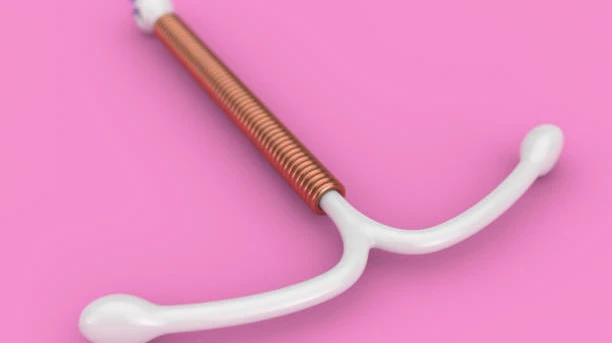
Copper T and hormonal IUDs are both highly effective, reversible methods of long-term contraception, but they serve different preferences.
Choosing an intrauterine device (IUD) involves understanding how different contraceptive options work and which one best suits your reproductive health needs. People researching Copper T in Abu Dhabi often want to compare non-hormonal contraception with hormonal IUDs before making an informed decision. Both options are small devices placed inside the uterus to provide long-term pregnancy prevention, but they differ in how they work, how they influence menstrual periods, and how long certain products remain effective. Understanding these distinctions can help you discuss suitable options with a qualified healthcare professional and choose a method that aligns with your preferences and health circumstances.
What Is a Copper T IUD?
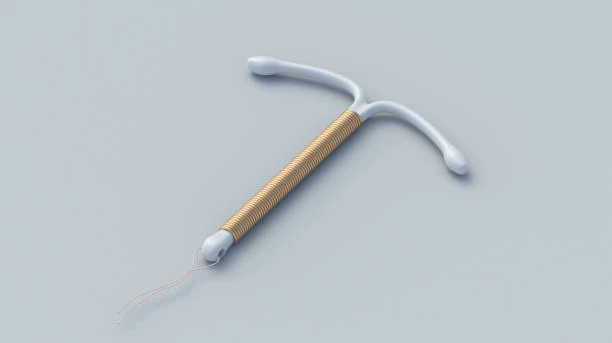
A Copper T is a T-shaped intrauterine contraceptive device that contains copper and does not release hormones. It is placed inside the uterus, where copper creates an environment that interferes with sperm movement and function, making fertilization much less likely.
One of its main advantages is that it provides long-lasting contraception without introducing contraceptive hormones into the body. This can appeal to people who prefer a hormone-free method or want to avoid hormonal contraception for personal or medical reasons.
The duration of protection depends on the specific device, with some copper IUDs approved for use for up to ten or more years. The device can also be removed when pregnancy is desired or when a person wishes to change contraception. Fertility generally returns quickly after removal, making it a reversible option for long-term family planning.
What Are Hormonal IUDs?
Hormonal IUDs are small, T-shaped devices placed inside the uterus that release a progestin hormone, usually levonorgestrel. This hormone primarily thickens cervical mucus, making it more difficult for sperm to reach an egg. It also affects the uterine lining, and some hormonal IUDs can suppress ovulation in certain users.
Like the Copper T, hormonal IUDs provide highly effective, long-term pregnancy prevention without requiring daily attention. Depending on the particular product and its approved use, they may remain effective for approximately three to eight years.
An important distinction is that hormonal IUDs can influence menstrual bleeding. Many users experience lighter periods over time, and some eventually stop having periods altogether. This characteristic can make hormonal IUDs appealing to people who want reliable contraception alongside reduced menstrual bleeding.
How Do Copper T and Hormonal IUDs Prevent Pregnancy?
The primary difference between these devices lies in their contraceptive mechanisms. The Copper T relies on the effects of copper within the uterus, while hormonal IUDs release a small amount of progestin locally.
Copper interferes with sperm function, reducing the likelihood that sperm will fertilize an egg. Because the device does not contain hormones, it does not work by changing the body's natural hormone levels.
Hormonal IUDs primarily work by thickening cervical mucus, which creates a barrier to sperm movement. They also produce changes in the uterine lining that contribute to their contraceptive action. Although the hormone is released mainly within the uterus, some can enter the bloodstream.
Both types are highly effective, with fewer than one pregnancy per 100 users in a year when typical-use effectiveness is considered. Neither option protects against sexually transmitted infections, so additional protection may be necessary depending on individual circumstances.
Comparing Menstrual Changes With Each IUD
Menstrual patterns are often one of the most important considerations when comparing a Copper T with a hormonal IUD. The copper device can make periods heavier, longer, or more crampy, particularly during the initial months after insertion. For someone who already experiences heavy menstrual bleeding or significant period discomfort, this difference deserves careful consideration.
Hormonal IUDs generally have the opposite effect. Because levonorgestrel changes the uterine lining, menstrual bleeding often becomes lighter over time. Some users experience irregular spotting initially, followed by shorter or much lighter periods. With certain hormonal IUDs, menstruation may stop completely while the device is in place.
Neither menstrual pattern is the same for everyone. Individual responses vary according to the device, existing menstrual health, and personal physiology. Discussing your usual cycle and any history of heavy bleeding can help determine which option may be more appropriate.
Which IUD Lasts Longer?
The duration of contraception depends on the specific device rather than simply whether it contains copper or hormones. Some copper IUDs can provide pregnancy prevention for ten to twelve years, depending on the product and local approval. Certain hormonal IUDs are approved for up to eight years for contraception, while other formulations have shorter approved durations.
This means a copper device may offer a longer period of use in some comparisons. However, the longest-lasting option is not automatically the best choice for every person.
Your expected family-planning timeline, preferred menstrual pattern, and willingness to replace a device in the future are all relevant. Both types can be removed before their approved duration ends if your circumstances or preferences change.
Benefits of Choosing a Copper T
The Copper T offers several advantages for people who prefer non-hormonal contraception. Because it does not release hormones, it avoids the hormonal effects associated with progestin-based contraceptive methods. It also provides continuous pregnancy prevention without requiring daily medication or action before each sexual encounter.
Another advantage is its potential longevity. Depending on the model, a copper IUD can provide protection for many years, making it a practical option for people seeking a reversible, low-maintenance contraceptive method.
Copper IUDs can also be used as emergency contraception when inserted within the appropriate time frame, generally within five days of unprotected intercourse. This is a distinctive benefit compared with hormonal IUDs, whose role in emergency contraception depends on the specific evidence and applicable clinical guidance.
Benefits of Choosing a Hormonal IUD
Hormonal IUDs combine long-term contraception with the potential to reduce menstrual bleeding. This can be particularly beneficial for people who experience heavy periods and want a contraceptive method that may also improve their menstrual pattern.
The hormone is released primarily inside the uterus, allowing the device to act largely at the local level, although systemic absorption still occurs. Hormonal IUDs are also convenient because they do not require daily attention and remain effective for several years, depending on the formulation.
For some users, lighter periods or the absence of menstruation can be a welcome benefit. However, hormonal contraception is not suitable for everyone, and individual medical history should be considered before choosing a device.
How to Decide Which IUD Is Right for You
Choosing between a Copper T and a hormonal IUD requires more than comparing duration or contraceptive effectiveness. Your menstrual history, medical background, future pregnancy plans, and preference regarding hormones all play important roles.
If avoiding contraceptive hormones is your main priority, the Copper T may be worth discussing. If reducing menstrual bleeding is important, a hormonal IUD may be more suitable. People with heavy periods, unexplained vaginal bleeding, certain reproductive health conditions, or specific medical considerations should receive an individualized assessment before selecting either option.
A qualified healthcare professional can explain the available devices, their approved durations, insertion and removal procedures, and suitability for your circumstances. This helps ensure that your decision reflects both your preferences and your health needs.
Final Thoughts
Copper T and hormonal IUDs are both highly effective, reversible methods of long-term contraception, but they serve different preferences. The Copper T offers hormone-free pregnancy prevention and may provide a longer approved duration with certain devices. Hormonal IUDs release progestin and often make menstrual periods lighter over time.
The best option depends on your priorities, particularly whether you prefer to avoid hormones or would value reduced menstrual bleeding. Understanding the differences in mechanism, duration, and menstrual effects can help you make a confident, informed decision about contraception that fits your reproductive health goals.
FAQs
Is Copper T better than a hormonal IUD?
Neither is universally better. The right choice depends on your health needs, menstrual patterns, and preference regarding hormones.
Which IUD is hormone-free?
The Copper T is a non-hormonal intrauterine device that uses copper to help prevent pregnancy.
Can hormonal IUDs make periods lighter?
Yes. Many users experience lighter periods over time, and some stop menstruating while using certain hormonal IUDs.
Which IUD lasts longer?
Some copper IUDs last ten to twelve years, while certain hormonal IUDs provide contraception for up to eight years. The approved duration depends on the specific device.
Can pregnancy occur after IUD removal?
Yes. Fertility generally returns quickly after either type of IUD is removed, so pregnancy can occur soon afterward if contraception is not used.

Comments
Login to Comment