How to Choose the Right Furniture Shop for Your Home Improve
11 Nov, 2026
13Views 0 Like(s)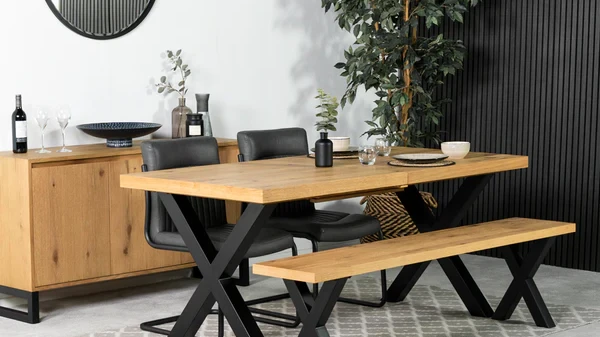
Knowing what to look for when selecting a furniture retailer can make the shopping experience easier and help you avoid unnecessary mistakes.
Home improvement projects often involve making several important furniture decisions. From replacing an old sofa to furnishing an entire bedroom, choosing the right products can influence the comfort, appearance and functionality of your property.
However, finding suitable furniture is not always straightforward. Different retailers offer different product ranges, materials, price points and delivery services.
Knowing what to look for when selecting a furniture retailer can make the shopping experience easier and help you avoid unnecessary mistakes.
1. Start by Defining Your Home Furnishing Requirements
Before visiting retailers or browsing online catalogues, identify the furniture you need.
Create a list of essential items for each room and prioritise purchases according to importance.
For example, a living room renovation may require a new sofa, coffee table and TV unit, while a dining room update may focus on a table and seating arrangement.
Think about the number of people using each room and how frequently the furniture will be used.
This approach helps narrow down your options and prevents impulse purchases.
2. Look for a Wide Range of Furniture Options
A good furniture retailer should offer products suitable for different rooms, interior styles and household requirements.
Look for a selection that includes living room furniture, bedroom storage, dining sets, sofas and practical accessories.
Having access to different product categories can make it easier to coordinate furniture throughout your property.
When evaluating a furniture shop, explore its product range and compare different designs, sizes and materials before making a decision.
Pay attention to whether the retailer provides detailed product descriptions and clear photographs.
3. Check Product Dimensions Carefully
Furniture should fit comfortably within the available space.
Before purchasing, measure the room and identify where each item will be positioned.
For sofas, consider the seating dimensions and whether reclining mechanisms require additional clearance.
For wardrobes, check the height, width and depth, along with the space required to open the doors.
Dining tables require particular attention because people need sufficient room to pull out chairs and move around comfortably.
Also remember to measure doorways, staircases and hallways to avoid delivery difficulties.
4. Consider Furniture Materials and Construction
The materials used in furniture affect its appearance, durability and maintenance requirements.
Solid wood is often selected for its natural appearance and traditional character.
Engineered wood provides different construction possibilities and is commonly used in modern furniture.
Metal frames can introduce an industrial appearance, while glass surfaces create a lighter visual effect.
For upholstered products, consider the fabric type, cushioning and frame construction.
Rather than focusing entirely on appearance, look for products that suit your everyday requirements.
5. Choose Dining Furniture That Offers Flexibility
Dining rooms are used for more than everyday meals. They may also accommodate celebrations, family gatherings and social occasions.
This makes flexible furniture particularly useful.
Extending dining tables are a practical option because they can provide additional seating when required without occupying excessive space during everyday use.
Depending on the design, the tabletop can be expanded using removable leaves, sliding mechanisms or integrated extension systems.
When exploring extending modern dining tables, consider the closed and extended dimensions, extension mechanism and number of people the table can accommodate.
A suitable design should offer convenient operation and complement the overall appearance of your dining area.
6. Compare Different Seating Arrangements
Dining chairs should provide adequate support and fit comfortably beneath the table.
Consider the seat height, backrest design and available legroom.
If you want a more relaxed appearance, dining benches can provide flexible seating along one side of the table.
For households with limited space, compact chairs and extendable tables can create a practical combination.
The most suitable arrangement depends on the room dimensions and how many people regularly use the dining area.
7. Read Product Information and Customer Reviews
Online furniture shopping makes it easier to compare products, but careful research remains important.
Review product specifications to understand the materials, dimensions, assembly requirements and maintenance recommendations.
Customer reviews can provide additional insight into comfort, appearance, delivery experience and product quality.
However, look for detailed feedback rather than relying exclusively on star ratings.
Pay attention to recurring comments about construction, durability or customer service.
8. Compare Prices and Delivery Services
Furniture prices vary according to materials, design, size and construction.
Compare similar products across different retailers to understand whether the pricing is competitive.
Remember to consider delivery charges, assembly services and any additional costs.
Check estimated delivery times, especially if you are furnishing a new property or working towards a renovation deadline.
A clear returns policy and accessible customer support can also provide additional confidence when purchasing larger items.
9. Think About Long-Term Value
Furniture should ideally remain useful for several years.
Timeless designs can be easier to incorporate into future interior updates, while durable materials may reduce the need for frequent replacement.
Choose neutral finishes for larger furniture pieces if you prefer flexibility when changing decorative accessories.
Consider functionality as well. Storage beds, extendable dining tables and multi-purpose cabinets can offer additional value by adapting to changing household requirements.
Final Thoughts
Choosing the right furniture retailer involves more than finding attractive products at competitive prices. Product quality, dimensions, material specifications, delivery arrangements and customer support should all influence your decision.
By identifying your requirements and comparing suitable options, you can make more confident purchases and create a home that balances style with everyday practicality.
Whether you are furnishing a single room or planning a complete home improvement project, careful furniture selection can make a lasting difference to your living environment.



Comments
Login to Comment