The Growing Interest in Fire-Resistant Exterior Building
11 Nov, 2026
7Views 0 Like(s)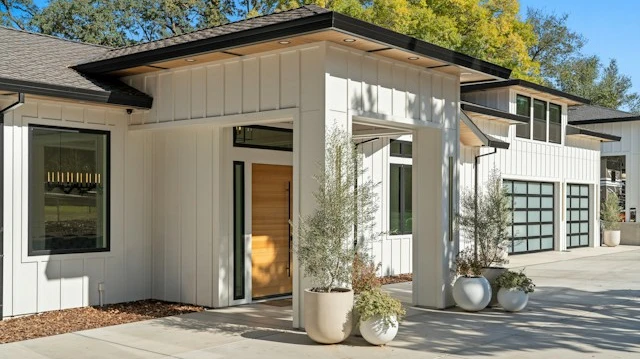
Discover why homeowners are choosing fire-resistant exterior building materials. Compare fiber cement, metal, vinyl, engineered wood, and other siding options.
Homeowners are looking more closely at what protects their homes from the outside, particularly in areas where wildfire exposure and changing weather conditions are growing concerns. Siding is often chosen for its color, texture, and ability to improve curb appeal, but its purpose goes beyond appearance. The material covering exterior walls can influence how a building responds to heat, flames, and wind-driven embers.
This has led to greater interest in fire-resistant exterior building materials. Rather than comparing siding products only by appearance or initial cost, homeowners are considering material composition, fire performance, maintenance requirements, and suitability for local conditions.
Fiber cement, metal, stucco, brick, and stone are among the options worth exploring when noncombustible exterior materials are a priority. Other products, including vinyl and engineered wood, remain common in residential construction but have different characteristics when exposed to intense heat.
However, choosing a particular siding material does not make an entire house fireproof. Installation quality, wall construction, roof details, windows, vents, decks, and surrounding landscaping also influence a home's vulnerability.
Understanding how different materials perform can help homeowners make more informed decisions when planning a siding replacement, repairing damaged exterior walls, or updating an older property.
Why Fire-Resistant Exterior Materials Are Receiving More Attention
Exterior material selection has become an important part of residential safety discussions, especially in communities exposed to wildfires. A house does not need to be directly surrounded by flames to face a potential threat. Wind-driven embers can travel ahead of a wildfire and reach buildings some distance from the main fire.
These embers may collect around roof edges, vents, decks, windows, and other vulnerable areas. If they reach combustible materials or enter openings in the building envelope, they can contribute to ignition.
This is one reason homeowners are paying closer attention to the materials used on exterior walls.
Several factors are contributing to the growing interest in fire-conscious siding choices:
-
Greater wildfire awareness: Homeowners in wildfire-prone regions are paying more attention to exterior construction and maintenance.
-
Long-term property protection: Many property owners want materials that can handle demanding environmental conditions while maintaining their appearance.
-
More product choices: Manufacturers offer siding products with different material compositions, finishes, and fire-performance characteristics.
-
Local building requirements: Building codes and wildfire-related regulations may influence which materials and construction methods are permitted.
-
Better-informed renovation decisions: Homeowners increasingly compare product specifications, installation requirements, and maintenance needs before beginning major exterior projects.
Fire-resistant siding is best understood as one part of a broader property-protection strategy. Roofing, windows, vents, decks, landscaping, and regular maintenance also need attention.
Understanding What Makes Exterior Siding Fire Resistant
Different siding materials respond to heat and flames in different ways. Their performance depends on factors such as composition, thickness, surface treatments, product design, installation, and the construction of the complete wall assembly.
One important distinction is whether a material is combustible or noncombustible.
Noncombustible materials do not readily serve as fuel for a fire. Fiber cement, steel, aluminum, brick, and stone are examples of materials commonly available in noncombustible forms. Stucco systems can also provide noncombustible exterior finishes, depending on their composition and construction.
Other products may include treatments or manufacturing features intended to improve their fire performance. However, a product with improved fire performance should not automatically be described as noncombustible.
Homeowners should understand these terms before comparing siding options:
Combustibility: Describes whether a material can ignite and contribute fuel to a fire.
Flame spread: Refers to how flames travel across a material's surface under specified test conditions.
Fire resistance rating: Applies to a tested building assembly under particular conditions. It should not be confused with the fire classification of an individual siding product.
Ember resistance: Refers to how well the building's exterior design and construction help prevent wind-driven embers from entering vulnerable areas or igniting combustible materials.
When comparing products, review manufacturer documentation, applicable test results, and local building requirements. Broad marketing terms alone are not enough to establish how a particular product or wall assembly will perform.
Which Exterior Siding Materials Offer Better Fire Performance?
Choosing siding involves more than comparing fire characteristics. Appearance, durability, maintenance, installation requirements, and local weather conditions also matter.
Some exterior materials are noncombustible, while others can ignite, soften, melt, or deteriorate when exposed to intense heat. Here are several options homeowners may want to consider.
1. Fiber Cement Siding: A Practical Noncombustible Option
Fiber cement is an option worth considering for homeowners who want the appearance of traditional siding with the benefits of a noncombustible material.
Typically manufactured using cement, reinforcing fibers, and other ingredients, fiber cement products are available in different profiles and finishes. Some recreate the appearance of painted wood, while others feature smooth surfaces, traditional lap boards, or vertical panels.
One of its main advantages is that fiber cement is generally classified as noncombustible. This makes it relevant for projects where wildfire-related building requirements influence exterior material selection.
Other characteristics include:
-
Resistance to many common forms of insect damage.
-
Availability in different textures, profiles, and finishes.
-
Compatibility with traditional and contemporary architectural styles.
-
Lower susceptibility to rot than untreated natural wood.
-
Product options for horizontal and vertical exterior applications.
Homeowners can explore different fiber cement siding styles before choosing a profile for their property.
However, fiber cement also has installation considerations. It can be relatively heavy and may crack if handled or installed incorrectly. Cutting, fastening, flashing, joint treatment, and clearance requirements should follow the manufacturer's instructions.
It is also important to distinguish between the siding material and the complete exterior wall. Noncombustible siding does not automatically make the sheathing, insulation, framing, openings, or entire wall assembly fire-resistant.
2. Metal Siding: A Modern Exterior With Noncombustible Options
Metal siding is another option for homeowners interested in noncombustible exterior materials. Steel and aluminum are commonly used for residential cladding, offering different physical properties and design possibilities.
Steel panels are generally strong and can be suitable for applications where durability and impact resistance are important. Aluminum is lightweight and naturally resistant to corrosion, although it may be more susceptible to denting.
Depending on the selected product, metal siding can provide several advantages:
-
Noncombustible material options.
-
Clean lines suited to modern architecture.
-
Different colors, panel profiles, and finishes.
-
Resistance to insects and rot.
-
Relatively low routine maintenance requirements.
Metal panels can complement contemporary homes, agricultural-inspired designs, and mixed-material exteriors. They can also be combined with stone accents, fiber cement, or other cladding materials.
However, homeowners should look beyond the metal itself. Panel thickness, protective coatings, fastening systems, thermal movement, corrosion exposure, and installation details all influence long-term performance.
Some metal products may deform under intense heat. Noncombustible cladding alone also does not establish how long an entire wall assembly can resist fire. Product documentation and assembly requirements should be reviewed before making a decision.
3. Stucco, Brick, and Stone: Established Noncombustible Alternatives
Stucco, brick, and stone are established exterior materials that homeowners may consider when noncombustible construction is a priority.
Stucco creates a continuous exterior finish that can suit Mediterranean, Southwestern, and contemporary architectural styles. Its performance depends on the complete system, including the substrate, reinforcement, drainage provisions, and installation details.
Brick veneer offers a familiar architectural appearance and can be combined with other siding materials to create contrast. It is often used on foundations, entryways, lower wall sections, and selected exterior features.
Stone veneer provides a textured finish that can add visual depth around porches, columns, foundations, and accent walls. It is available in different shapes, colors, and surface patterns.
These materials offer several potential benefits:
-
Noncombustible material options.
-
A range of architectural appearances.
-
Resistance to many insect-related problems.
-
Opportunities to combine different exterior textures.
-
Durable finishes when properly installed and maintained.
However, stucco and masonry systems still require careful construction. Drainage, flashing, support, and moisture management are important. Cracks, poor drainage, or incorrectly detailed transitions can allow water to enter the wall assembly.
Homeowners should also understand the difference between solid masonry construction and thin decorative veneer products. Their structural characteristics, installation requirements, and applications are not the same.
4. Wood and Engineered Wood Siding: Natural Appearance With Different Fire Considerations
Natural wood remains popular because of its grain, warmth, and ability to complement different architectural styles. Engineered wood provides another way to achieve a similar appearance through manufactured siding components.
However, homeowners should understand that natural wood and engineered wood siding are generally combustible materials. They should not automatically be considered fire-resistant simply because an engineered product has been manufactured or treated.
Some products may have specialized treatments or documented fire-performance characteristics. Their performance depends on the particular product, treatment, testing, and approved installation assembly.
Before choosing engineered wood siding, review:
-
Manufacturer fire-performance documentation.
-
Whether any treatment is approved for the intended exterior application.
-
Required installation clearances.
-
Joint, edge, and fastening details.
-
Maintenance and repainting requirements.
-
Applicable local wildfire-related building regulations.
Engineered wood may appeal to homeowners who want a wood-inspired exterior with manufactured components. However, in locations with significant wildfire exposure, noncombustible siding may be a more suitable option.
Fire-retardant treatments should not be assumed to provide permanent protection. Their effectiveness and maintenance requirements depend on the product and its exposure conditions.
5. Vinyl Siding: Understanding Its Limitations Around Extreme Heat
Vinyl siding remains a widely used residential exterior material. It is relatively lightweight, available in many colors and profiles, and offers homeowners a practical way to update an exterior.
However, vinyl is a plastic-based material, which means it has important limitations when exposed to extreme heat.
Unlike noncombustible siding products, vinyl can soften, deform, or melt under high temperatures. Direct flame exposure and radiant heat from nearby burning materials may affect its shape and expose the materials underneath.
This does not mean every vinyl-sided house will experience the same outcome during a wildfire. Actual performance depends on exposure conditions, the wall assembly, surrounding combustible materials, and other protective features.
Before choosing vinyl siding, homeowners in wildfire-prone locations should check whether the product is permitted under applicable local requirements.
For properties with significant wildfire exposure, fiber cement, metal, stucco, brick, or stone may provide more appropriate noncombustible alternatives.
Vinyl can still be a reasonable option in locations where wildfire exposure is not a major concern and the product meets applicable building requirements.
How Installation Details Influence Exterior Fire Protection
Choosing a suitable siding material is only one part of improving a home's exterior fire performance. Even noncombustible cladding can leave vulnerabilities if the installation contains gaps, poorly protected edges, or openings that allow embers to enter the structure.
A well-planned exterior wall system should address several details.
Protect the Lower Sections of Exterior Walls
The area where siding meets the ground, patios, decks, and other horizontal surfaces deserves attention.
Leaves, mulch, dry vegetation, and other combustible materials can collect near exterior walls. If these materials ignite, nearby siding may be exposed to direct flames.
Some wildfire-preparedness programs recommend noncombustible materials around vulnerable lower wall sections. Specific dimensions and requirements vary by location and building regulations.
Concrete, masonry, metal flashing, and suitable fiber cement products may be considered for particular applications. The correct choice depends on the wall design and product specifications.
Close Gaps and Protect Wall Openings
Small openings around siding joints, utility penetrations, windows, and doors can become potential entry points for embers.
Homeowners should check for:
-
Deteriorated sealants.
-
Missing or damaged trim.
-
Poorly protected flashing.
-
Visible gaps around exterior fixtures.
-
Damaged joints and loose siding sections.
Repairs should follow the manufacturer's instructions while maintaining appropriate drainage. Applying sealant everywhere is not a substitute for correctly designed flashing and moisture-management details.
Check Roof-to-Wall Connections
The points where exterior walls meet roofs and eaves can contain vulnerable gaps and combustible materials.
Appropriate flashing, protected soffits, and suitable vent screening can help reduce ember exposure. These areas should be included in a complete exterior inspection rather than overlooked during a siding replacement project.
Maintain Clear Space Around the Exterior
The area surrounding a house can influence its exposure to wildfire.
Dry leaves, firewood, dead vegetation, combustible mulch, and stored outdoor materials can increase the amount of fuel close to the building.
Regularly removing debris, maintaining appropriate clearance, and using suitable noncombustible ground coverings near the home can complement a carefully selected siding system.
The objective is to reduce opportunities for flames and embers to reach the exterior structure.
Should Homeowners Replace Existing Siding to Improve Fire Protection?
Not every homeowner needs to replace the entire exterior siding system. The right decision depends on the property's location, existing material, siding condition, construction details, and level of wildfire exposure.
For example, a property with deteriorating wood siding in a high-risk wildfire area may benefit from a planned transition to noncombustible cladding.
Another home may have relatively sound siding but contain vulnerable sections near the foundation, attached deck, or roofline. Targeted improvements may be worth discussing with a qualified contractor.
Before planning a major renovation, consider these questions:
-
Is the property in a designated wildfire-prone or wildland-urban interface area?
-
Does the existing siding contain combustible materials?
-
Are there gaps, cracks, or damaged sections that could allow embers to enter vulnerable areas?
-
Are nearby decks, fences, landscaping, or stored materials increasing exterior exposure?
-
Do local building codes require particular siding materials or construction details?
-
Can vulnerable sections be upgraded without replacing the entire exterior?
A professional exterior assessment can help determine which improvements are appropriate for the building and its surroundings.
Why Regular Siding Inspection and Maintenance Matter
Even carefully selected exterior materials need regular inspection. Small defects can become larger problems when ignored, particularly around joints, corners, windows, doors, and the lower edges of exterior walls.
Damaged cladding may expose the underlying wall assembly to moisture, pests, and other environmental conditions. In wildfire-prone locations, gaps and openings may also create places where embers can collect or enter vulnerable parts of the exterior.
Homeowners should look for these warning signs:
-
Cracked, warped, or loose siding panels.
-
Missing sections of exterior cladding.
-
Deteriorated caulking around windows and doors.
-
Rot or decay near the lower edges of wood siding.
-
Open joints and damaged corner trim.
-
Water stains or signs of moisture-related deterioration.
-
Gaps around utility connections and exterior fixtures.
What Happens When Siding Panels Are Missing or Broken?
Missing or broken siding is more than an appearance issue. Damaged sections can expose the underlying wall assembly to rain, wind, pests, and other environmental conditions.
In wildfire-prone areas, openings may also create opportunities for embers to collect or reach vulnerable parts of the exterior.
If you notice missing siding, identify the cause before installing replacement panels. Damage may result from severe weather, impact, aging fasteners, improper installation, or long-term material deterioration.
An inspection should establish whether the surrounding panels, weather-resistive barrier, flashing, and sheathing remain in suitable condition.
When Is It Time to Repair or Replace Exterior Siding?
Not every damaged panel requires complete siding replacement. Localized damage may be addressed by replacing individual sections, while widespread deterioration may justify a larger renovation.
The decision depends on several factors:
-
The number of affected panels.
-
The age and condition of the existing material.
-
Whether moisture has reached the underlying wall.
-
The availability of matching replacement materials.
-
Whether the original installation meets current requirements.
-
Whether a different exterior material would better suit the property's environmental conditions.
Getting professional guidance on siding repair can help homeowners understand the appropriate solution before damage becomes more extensive.
For properties in wildfire-prone locations, repairs should also consider whether the existing material and installation details provide an appropriate level of protection.
A Practical Checklist Before Choosing Fire-Resistant Siding
Selecting exterior materials becomes easier when homeowners evaluate the complete project instead of focusing on a single product feature.
-
Check local wildfire-related building requirements.
-
Confirm the material's fire classification and supporting documentation.
-
Compare fiber cement, metal, stucco, masonry, and other suitable materials.
-
Review the manufacturer's installation instructions.
-
Inspect existing sheathing and wall components.
-
Check flashing, joints, soffits, and exterior openings.
-
Consider moisture management and drainage behind the siding.
-
Evaluate maintenance requirements and expected service life.
-
Review the contractor's experience with the selected material.
-
Plan regular exterior inspections and maintenance.
How Fire-Conscious Materials Can Complement Modern Exterior Design
Choosing materials with suitable fire characteristics does not mean homeowners have to compromise on architectural appearance. Many exterior products are available in finishes, textures, and profiles that complement different residential styles.
For example, fiber cement lap siding can create a clean horizontal appearance, while vertical panels can give a house a more contemporary profile.
Metal cladding can introduce a minimalist look, particularly when combined with large windows, dark trim, and stone accents.
Stucco and masonry can create a more substantial exterior appearance, while combinations of different noncombustible materials can add depth and contrast.
Some design combinations worth exploring include:
-
Light-colored fiber cement siding with black window frames.
-
Charcoal metal panels combined with stone accents.
-
Smooth stucco walls with contrasting masonry sections.
-
Vertical cement board panels with horizontal lap siding.
-
Neutral exterior finishes with darker architectural trim.
The important consideration is to verify the fire characteristics of each material and the complete installation system. An attractive combination does not automatically provide improved fire protection.
Frequently Asked Questions About Fire-Resistant Siding
1. What is the best siding material for wildfire-prone areas?
Fiber cement, metal, brick, stone, and suitable stucco systems are examples of noncombustible exterior material options. The most appropriate choice depends on local building requirements, the complete wall assembly, and installation quality.
2. Is fiber cement siding better than vinyl for fire protection?
Generally, yes. Fiber cement is typically noncombustible, whereas vinyl is a plastic-based material that can soften, deform, or melt under intense heat. However, overall building protection depends on more than the exterior covering.
3. Is engineered wood siding fire resistant?
Engineered wood siding is generally combustible. Some products may have specialized treatments or documented fire-performance characteristics, but homeowners should check the manufacturer's specifications rather than assume all engineered wood products provide the same protection.
4. Can existing siding be upgraded without replacing the entire exterior?
In some situations, yes. Homeowners may be able to improve particularly vulnerable sections, such as lower wall areas or locations near attached decks. The appropriate approach depends on local requirements, existing construction, and professional assessment.
5. Does fire-resistant siding make a house completely fireproof?
No. Noncombustible siding cannot guarantee that a house will survive a wildfire. Roofs, windows, vents, decks, fences, landscaping, and openings in the building envelope can all influence a home's vulnerability.
6. How often should homeowners inspect their siding?
A practical approach is to inspect the exterior at least once a year and after significant storms or other damaging events. Homes in wildfire-prone locations may benefit from additional seasonal inspections and maintenance.
Making a More Informed Decision About Exterior Protection
The growing interest in fire-resistant exterior building materials reflects a broader change in how homeowners approach residential construction and renovation. Siding is no longer selected only for its color, texture, or initial installation cost. Its ability to handle environmental exposure, resist deterioration, and contribute to a more resilient building envelope is also an important consideration.
Fiber cement, metal, stucco, brick, and stone offer noncombustible material options worth exploring, particularly in locations where wildfire exposure is a concern. Vinyl and engineered wood remain relevant exterior products in many residential settings, but their combustible characteristics should be understood before selection.
The most effective approach is to evaluate the entire exterior system. Proper installation, appropriate flashing, protected openings, suitable drainage, and regular maintenance all contribute to better building performance.
For homeowners planning an exterior renovation, comparing siding materials and understanding their limitations can help create a home that balances appearance, durability, and practical safety considerations.
A well-planned exterior project should do more than refresh the appearance of a house. It should use materials and construction details suited to the property's environment and long-term needs.
Editorial improvements made: The rewritten version removes unrelated image-source captions and stray numbers, improves sentence flow, reduces repeated wording, and organizes the material comparisons more clearly. It also avoids presenting fire-resistant siding as a guarantee of wildfire protection.


Comments
Login to Comment