Dewpoint Measurement Device: Improving Accuracy in Industria
11 Nov, 2026
10Views 0 Like(s)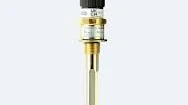
A dewpoint measurement device is an instrument designed to determine the temperature at which water vapor in air or gas begins to condense into liquid water.
Moisture measurement is an essential requirement in industries where air quality, gas purity, and environmental conditions directly affect production quality and equipment performance. Excessive water vapor can cause condensation, corrosion, contamination, and unexpected machinery problems. Many industrial processes require carefully controlled moisture levels to maintain consistent results and protect sensitive components. For this reason, businesses use specialized instruments to measure moisture and monitor changes in different operating environments. Modern measurement technology provides reliable information that helps technicians identify potential problems and maintain suitable process conditions. From compressed air systems and pharmaceutical manufacturing to chemical processing and power generation, accurate moisture monitoring plays an important role in industrial operations.
What Is a Dewpoint Measurement Device?
A dewpoint measurement device is an instrument designed to determine the temperature at which water vapor in air or gas begins to condense into liquid water. This temperature is called the dew point, and it provides useful information about the moisture content of a particular environment or industrial system.
These instruments help businesses understand whether their compressed air, industrial gases, or surrounding environments contain acceptable moisture levels. They are especially useful in applications where excessive water vapor can affect product quality, equipment reliability, or manufacturing processes.
Different types of instruments are available depending on the measurement requirements. Some devices are permanently installed in pipelines for continuous monitoring, while portable models allow technicians to perform inspections at different locations. Modern instruments may also include digital displays, electronic output signals, and data logging capabilities.
Selecting suitable equipment helps industrial users maintain better moisture control and improve the reliability of their measurement procedures.
How Does Dew Point Measurement Technology Work?
Dew point measurement is based on the relationship between temperature and the amount of water vapor present in air or gas. When air cools, its ability to hold water vapor decreases. Eventually, it reaches a temperature at which condensation begins. This temperature is recorded as the dew point.
Different sensing technologies are used to identify this condition. Capacitive sensors detect changes in the electrical properties of moisture-sensitive materials. Chilled mirror instruments use a cooled reflective surface to identify the temperature at which condensation appears.
Some advanced devices use specialized moisture sensors to measure extremely low concentrations of water vapor in industrial gases. The internal electronics process the sensor information and display the measurement in degrees Celsius, degrees Fahrenheit, or other relevant moisture units.
The measurement method depends on the instrument design and the requirements of the application. Correct installation and sampling procedures are also important for obtaining dependable results.
Importance of Accurate Moisture Measurement in Industries
Moisture control is important in many industrial environments because unwanted water vapor can affect equipment and production quality. Compressed air systems are a good example. They are widely used to operate pneumatic tools, manufacturing machinery, and automated production equipment.
When moisture accumulates inside compressed air pipelines, it can contribute to corrosion, blockages, and equipment damage. Monitoring dew point helps operators evaluate the performance of air dryers and identify possible moisture-related problems.
Pharmaceutical manufacturers also require controlled moisture conditions during certain production and packaging processes. Excessive moisture can affect sensitive ingredients and product stability.
Food processing facilities use moisture monitoring to maintain appropriate conditions during drying, storage, and packaging. Electronics manufacturers also benefit from accurate measurements because sensitive components can be affected by excessive humidity.
In chemical processing and power generation, moisture monitoring helps maintain suitable gas conditions and supports reliable equipment operation.
Common Types of Dew Point Measurement Devices
Different measurement instruments are available to meet the requirements of various industrial applications.
Portable Measurement Instruments: These devices are designed for technicians who need to inspect multiple systems or locations. Their compact design makes them useful for routine maintenance and troubleshooting.
Fixed Dew Point Transmitters: These instruments are installed permanently in industrial systems and provide continuous moisture measurements. They can often communicate with control panels and automation equipment.
Chilled Mirror Instruments: These devices determine dew point by cooling a reflective surface until condensation forms. They are useful for applications requiring highly accurate measurements.
Trace Moisture Analyzers: These specialized instruments detect very small quantities of water vapor in industrial gases. They are commonly used in applications requiring extremely dry gases.
Choosing the appropriate instrument depends on measurement range, accuracy, operating pressure, and the specific requirements of the industrial process.
Benefits of Using Modern Moisture Measurement Equipment
Modern measurement instruments offer several advantages for industrial businesses. One major benefit is improved process control. Accurate moisture readings help operators understand changing conditions and make suitable adjustments when necessary.
Equipment protection is another important advantage. Excess moisture can contribute to corrosion, contamination, and premature component failure. Regular monitoring helps maintenance teams identify potential problems before they become serious.
These devices also support energy efficiency. Industrial air dryers and moisture removal systems consume energy during operation. Monitoring their performance can help operators identify inefficient conditions and improve system management.
Digital connectivity provides additional convenience. Many modern instruments support electronic outputs that allow measurement information to be transferred to industrial control systems and data logging platforms.
Reliable measurement also supports quality assurance by helping businesses maintain consistent moisture conditions throughout their production processes.
Factors to Consider When Selecting a Measurement Device
Selecting the right equipment requires evaluating the technical requirements of the application. The measurement range should match the expected moisture conditions, particularly in processes that require extremely dry air or gases.
Measurement accuracy is equally important. Businesses should review the manufacturer's specifications and determine whether the instrument meets their process requirements.
Operating pressure should also be considered when measuring compressed air or pressurized gases. The device and its sampling arrangements must be suitable for the system conditions.
Other important factors include response time, sensor technology, gas compatibility, calibration requirements, and maintenance costs. Businesses should also consider whether the instrument supports their existing monitoring and automation systems.
Evaluating these factors before purchasing equipment can help improve measurement reliability and reduce unnecessary operating expenses.
Calibration and Maintenance for Reliable Measurements
Regular calibration is essential for maintaining dependable measurement results. Over time, sensors may experience performance changes due to aging, contamination, or exposure to demanding environmental conditions.
Following the manufacturer's recommended calibration schedule helps ensure that the instrument continues to operate within its specified accuracy limits.
Sampling lines and connections should also be inspected regularly. Leaks, dust, oil, and other contaminants may affect measurement results, particularly in compressed air and industrial gas applications.
Technicians should review measurement trends and investigate unexpected changes. A sudden increase in moisture readings may indicate problems with air dryers, filters, or other moisture control equipment.
Proper installation, routine inspection, and professional calibration contribute to long-term instrument reliability.
How dew-point Supports Industrial Moisture Measurement
Dew-point provides moisture measurement solutions for industrial applications where accurate and reliable monitoring is important. Suitable measurement instruments help businesses evaluate moisture conditions, monitor compressed air quality, and maintain appropriate process environments.
When selecting equipment, industrial users should consider measurement accuracy, operating pressure, required moisture range, and installation requirements. Choosing appropriate technology makes it easier to monitor changing conditions and support preventive maintenance.
Reliable measurement information also helps businesses protect sensitive equipment, improve process consistency, and maintain product quality. With suitable instruments and regular maintenance, industries can manage moisture-related challenges more effectively.
Conclusion
Dew point measurement is an important part of maintaining reliable industrial operations. Accurate moisture readings help businesses understand air and gas conditions, prevent unwanted condensation, and protect sensitive equipment.
From compressed air systems and pharmaceutical manufacturing to chemical processing and electronics production, suitable measurement instruments support better process control and quality assurance. Selecting the right device requires careful consideration of accuracy, measurement range, sensor technology, operating pressure, and maintenance requirements.
By using reliable moisture measurement solutions and following proper calibration practices, industries can reduce moisture-related problems, improve operational efficiency, and maintain consistent production standards.



Comments
Login to Comment