How Long Does PRP Treatment Take to Show Results?
01 Sep, 2026
508 Views 0 Like(s)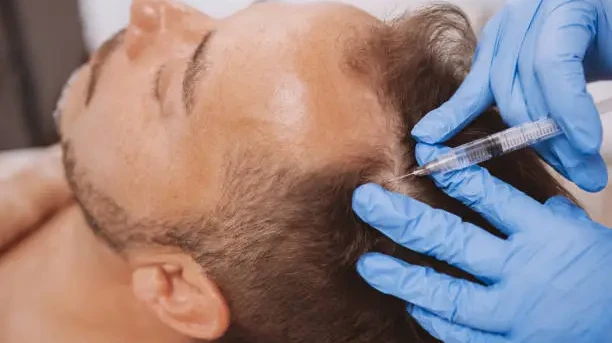
PRP treatment works by using concentrated platelets from the patient’s own blood to support natural tissue regeneration and renewal. While some improvements may become noticeable within a few weeks, more visible results often develop gradually over several months. The timeline depends on the treatment area, individual response, treatment goals, and number of sessions. Understanding this gradual process can help set realistic expectations for PRP Treatment In Abu Dhabi.
Platelet-rich plasma (PRP) treatment has become a popular option for people interested in supporting natural skin renewal and hair improvement. A common question before starting is how quickly visible changes can appear. PRP Treatment In Abu Dhabi uses a concentrated portion of the patient’s own blood components and applies it to targeted areas to encourage natural regenerative processes. However, results do not usually appear immediately because the treatment relies on gradual biological activity rather than an instant cosmetic change.
The timeline can differ depending on whether PRP is being used for hair restoration, facial rejuvenation, acne scars, or other aesthetic concerns. Understanding what happens after treatment can help create realistic expectations and make the overall process easier to follow.
How Does PRP Treatment Work?
PRP treatment begins with a small blood sample, which is processed to separate and concentrate platelets from other blood components. The resulting platelet-rich plasma contains growth factors that may support tissue repair and regeneration.
Once prepared, the PRP is applied or introduced into the selected treatment area. The goal is to stimulate the body's natural processes in that specific region. For hair-related applications, PRP may be directed toward areas experiencing thinning. For facial applications, it can be used to encourage skin renewal and improve the overall appearance of the complexion.
Because PRP works through biological stimulation, the development of results is generally gradual. The skin or hair does not change instantly after the treatment.
When Can the First PRP Results Appear?
The first noticeable changes can vary from person to person. Some individuals may begin noticing subtle improvements within several weeks, while more visible changes can require a longer period.
For facial PRP, the skin may gradually appear fresher, smoother, or more revitalized as the renewal process develops. For hair-related treatment, early changes may be less obvious because hair growth follows a natural cycle.
The treatment area, individual response, existing condition, and treatment plan can all influence how quickly improvements become noticeable. Therefore, there is no single timeframe that applies equally to everyone.
PRP Treatment Timeline for Hair Restoration
Hair restoration with PRP generally requires patience because hair follicles operate according to natural growth cycles. The treatment is intended to support follicular activity rather than produce instant hair growth.
During the early stage, changes may be subtle and difficult to recognize. As the hair cycle progresses, some people may gradually notice improvements in hair quality, density, or overall appearance.
A series of treatment sessions may be recommended depending on individual goals and the condition of the scalp. Follow-up sessions can be planned according to how the hair responds and the desired outcome.
PRP Treatment Timeline for Facial Rejuvenation
Facial PRP often follows a somewhat different timeline from hair-focused treatment. Since the skin continuously renews itself, improvements in texture and appearance may become noticeable progressively.
The complexion may gradually look more refreshed as collagen-related processes and skin regeneration develop. Fine texture concerns, uneven-looking skin, and overall dullness may improve progressively rather than immediately.
The final appearance depends on factors such as the individual's skin condition, age, lifestyle, treatment area, and the number of sessions included in the treatment plan.
Why Do PRP Results Take Time?
PRP is designed to work with the body's natural regenerative mechanisms. Unlike treatments that create an immediate visual change, PRP encourages biological activity that develops over time.
Growth factors within the concentrated plasma can play a role in signaling processes associated with tissue repair and regeneration. These processes require time, which explains why visible improvements usually develop gradually.
This gradual progression is an important part of understanding PRP treatment. The absence of immediate dramatic changes does not necessarily mean that the treatment is not working.
What Factors Influence PRP Results?
Several factors can influence how quickly results become visible. Individual biology is one of the most important considerations because every person's response to regenerative treatment can differ.
The condition being treated also matters. Someone seeking facial rejuvenation may notice changes at a different pace from someone undergoing PRP for hair thinning.
The treatment area, severity of the concern, number of sessions, platelet concentration, and overall treatment approach can also influence the progression of results. Consistency with the recommended treatment schedule may help maintain the intended treatment process.
How Many PRP Sessions May Be Needed?
The number of sessions depends on the purpose of treatment and individual circumstances. Some people may undergo a series of sessions rather than relying on one treatment.
For hair restoration, repeated sessions may be incorporated into a broader treatment plan because hair growth develops gradually. Facial rejuvenation may also involve multiple sessions when the goal is progressive skin improvement.
The appropriate schedule is determined according to the individual's condition and treatment goals. Results should therefore be assessed over the recommended treatment period rather than immediately after a single session.
How Can You Track PRP Progress?
Tracking changes over time can make gradual improvements easier to recognize. Photographs taken under similar lighting and from similar angles can help provide a clearer comparison between different stages.
For hair-related PRP, changes in hair density, thickness, and overall scalp coverage can be monitored. For facial applications, texture, brightness, smoothness, and overall skin appearance can be observed.
Because gradual changes can be difficult to notice from day to day, comparing progress over several weeks or months can provide a more meaningful perspective.
Is PRP Suitable for Everyone?
PRP treatment may not be appropriate for every person or every concern. Suitability depends on individual circumstances, the condition being addressed, and the expected treatment goals.
A professional assessment can help determine whether PRP is appropriate and which treatment approach may be most suitable. This assessment also helps establish realistic expectations regarding the likely timeline for visible results.
Understanding that PRP is a gradual treatment is particularly important before beginning a treatment plan.
What Makes PRP Treatment In Abu Dhabi a Gradual Process?
The primary reason for the gradual timeline is the biological nature of PRP. Instead of simply creating a temporary surface-level change, the treatment is intended to encourage natural regenerative activity.
The body needs time to respond to the growth factors delivered through PRP. Skin remodeling and hair-cycle changes do not occur overnight, so visible improvements develop progressively.
For this reason, patience is an important part of the PRP experience. The treatment timeline should be evaluated according to the specific concern being addressed rather than a fixed number of days.
When Should You Expect Noticeable Improvement?
There is no universal date when every person will see PRP results. Some changes may become noticeable within a few weeks, while more developed results can take several months.
Hair-related concerns generally require a longer observation period because the hair-growth cycle is naturally slow. Skin-related improvements may become noticeable sooner, although continued improvement can still occur over time.
The best way to evaluate progress is to consider the treatment objective, follow the recommended treatment schedule, and assess changes over an appropriate period.
Conclusion
PRP treatment is designed to support the body's natural regenerative processes, so visible results generally develop gradually rather than appearing immediately. PRP Treatment In Abu Dhabi may produce noticeable changes over several weeks, while more developed results can require several months, particularly when the treatment is focused on hair restoration.
The most important consideration is that every individual responds differently. Understanding the expected progression, maintaining realistic expectations, and evaluating changes over an appropriate period can provide a clearer picture of treatment results.
Frequently Asked Questions
How quickly does PRP treatment show results?
Initial improvements may become noticeable within several weeks, but more developed results often require several months. The timeline varies according to the treatment area, individual response, and treatment objective.
Is one PRP session enough to see results?
A single session may begin the regenerative process, but multiple sessions may be recommended depending on the concern being treated. Hair restoration commonly requires a series of treatments because hair growth develops gradually.
Does PRP work faster for skin than hair?
Skin-related improvements may become noticeable sooner because skin renewal occurs continuously. Hair-related results can take longer because follicles follow natural growth cycles.
When do PRP hair results become noticeable?
Hair-related changes generally develop gradually. Early improvements may be subtle, while more noticeable changes can take several months as the hair-growth cycle progresses.
Can PRP results continue improving?
Yes, improvements can continue developing after treatment as natural regenerative processes progress. The duration and extent of improvement vary between individuals.
How long does PRP Treatment In Abu Dhabi take to show final results?
There is no universal final-results timeline. Depending on the treatment purpose, noticeable improvements may develop over several weeks to several months, with hair-related treatments generally requiring more time to assess.
How can PRP progress be monitored?
Progress can be monitored through consistent photographs and by observing changes in the treated area over time. Comparing results across several weeks or months is generally more informative than checking changes from one day to the next.
What determines the PRP treatment timeline?
The timeline can be influenced by the treatment area, individual biology, severity of the concern, treatment protocol, number of sessions, and the body's response to the treatment.
Disclaimer: ThynkTales is a public blogging platform where content is contributed by individual users. While we encourage thoughtful and accurate sharing, we do not independently verify the information provided. Readers are advised to use their discretion and verify any information before relying on it.
Comments
Login to Comment