Are Ozempic Injections Suitable for Younger Adults
16 Oct, 2026
5 Views 0 Like(s)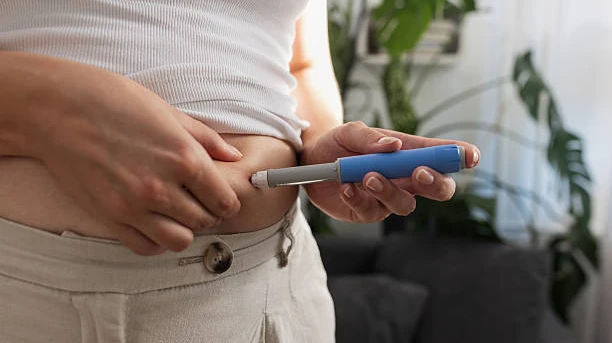
Ozempic injections can be suitable for younger adults who meet the appropriate medical criteria, particularly those managing type 2 diabetes.
Younger adults are increasingly interested in medical options that support weight management and improve metabolic health. However, choosing an appropriate treatment requires understanding how it works, who may benefit, and whether it aligns with individual health needs. People researching Ozempic Injections in Abu Dhabi often want to know whether this medication is suitable for adults in their twenties or thirties. Ozempic contains semaglutide, a medication that helps regulate blood sugar and supports its management in people with type 2 diabetes. Although it may also influence appetite and body weight, its suitability depends on medical history, treatment goals, and an individual's overall health rather than age alone.
What Are Ozempic Injections?
Ozempic is a prescription medication containing semaglutide, which belongs to a group of medicines called GLP-1 receptor agonists. It works by mimicking a naturally occurring hormone involved in blood sugar regulation, appetite signaling, and digestion. By helping the body release insulin when blood sugar levels are elevated, it supports glucose management in people with type 2 diabetes.
The medication also influences appetite and can help some individuals feel satisfied for longer after eating. These effects may contribute to weight loss during treatment. However, Ozempic is primarily approved for specific medical uses, including managing type 2 diabetes and reducing certain associated cardiovascular risks in eligible adults. Its role should be distinguished from weight-management medications that have separate approved indications.
Is Ozempic Suitable for Adults in Their Twenties?
Adults in their twenties may be eligible for Ozempic when they have an appropriate medical indication, particularly type 2 diabetes. Being young does not automatically make someone unsuitable for treatment, but it also does not mean that the medication is necessary for weight management.
During this stage of life, people may experience changes in eating habits, activity levels, work routines, and other factors that influence metabolic health. Before considering medication, it is important to determine whether a medical condition requires treatment and whether the expected benefits justify its use.
For younger adults who are interested primarily in losing weight, eligibility should not be determined by appearance or a desire to reach a particular body shape. A qualified healthcare professional can assess body weight, metabolic indicators, medical history, and treatment objectives to establish whether a prescription medication is appropriate.
Can Adults in Their Thirties Benefit From Ozempic?
Adults in their thirties may also benefit from Ozempic when they meet the relevant medical criteria. Type 2 diabetes can develop in younger adulthood, and effective glucose management is important for supporting long-term health. Treatment decisions should be based on the individual's diagnosis, blood sugar levels, existing health conditions, and response to other appropriate interventions.
Some people in this age group may also be concerned about weight gain, insulin resistance, or changes in metabolic health. Although semaglutide can influence appetite and body weight, these concerns require careful evaluation rather than an automatic recommendation for Ozempic.
Age alone is not a reliable measure of suitability. Two people of the same age can have very different health profiles and medical needs. An individualized assessment helps determine whether the medication offers meaningful benefits for a particular person.
How Do Ozempic Injections Work in Younger Adults?
Ozempic works by activating GLP-1 receptors, which play a role in regulating blood glucose and appetite. When blood sugar rises, the medication helps stimulate insulin release in a glucose-dependent manner. It also reduces the release of glucagon when appropriate, helping the body maintain better blood sugar control.
In addition, semaglutide can slow stomach emptying and influence appetite-related signals in the brain. These actions may help people feel full sooner and experience less hunger, potentially reducing overall food intake.
These effects are not limited to older adults. Younger adults who have an appropriate medical indication may experience similar mechanisms of action, although individual responses differ. The medication's benefits depend on the person's underlying condition, treatment plan, and ongoing medical supervision.
Is Ozempic Appropriate for Younger Adults Seeking Weight Loss?
Weight management is a common reason younger adults become interested in semaglutide. However, it is important to understand that Ozempic and other semaglutide products may have different approved uses and dosing regimens. Ozempic is approved primarily for type 2 diabetes, while certain other semaglutide formulations have specific indications for chronic weight management in eligible individuals.
For younger adults seeking weight loss, suitability depends on established medical criteria, body mass index where relevant, weight-related health conditions, and the medication's approved indication. A person who wants to lose a small amount of weight for cosmetic reasons may not be an appropriate candidate.
A healthcare professional can explain which treatment options are suitable and whether prescription medication is warranted. This approach helps ensure that weight-management decisions focus on health needs rather than age-related trends or unrealistic expectations.
What Factors Determine Suitability?
Several factors are more important than a person's age when determining whether Ozempic is appropriate. The presence of type 2 diabetes, blood sugar control, weight-related health concerns, and overall medical history all contribute to the decision.
Other prescription medications and existing medical conditions must also be considered. Particular attention is needed for individuals with a personal or family history of medullary thyroid carcinoma or multiple endocrine neoplasia syndrome type 2, because Ozempic carries a boxed warning concerning thyroid C-cell tumors and is contraindicated in people with these conditions.
Pregnancy plans are another important consideration. Semaglutide is not recommended for weight reduction during pregnancy, and people planning a pregnancy should discuss appropriate timing and treatment decisions with their healthcare professional.
These considerations demonstrate why a personalized medical assessment is essential before starting treatment, regardless of whether someone is in their twenties, thirties, or older.
Why Medical Supervision Matters for Younger Adults
Starting Ozempic without appropriate medical guidance can lead to decisions that do not match an individual's health needs. A healthcare professional can confirm the treatment indication, review relevant medical conditions, and determine whether semaglutide is an appropriate choice.
Medical supervision also helps establish suitable dosing, monitor treatment progress, and evaluate changes in blood sugar or weight. Younger adults may have different long-term health priorities depending on their medical history, future pregnancy plans, and other individual circumstances.
Ongoing follow-up makes it possible to assess whether the medication is achieving its intended purpose and whether the treatment plan needs adjustment. The goal is to support sustainable health outcomes through evidence-based care rather than relying on age or weight alone.
Final Thoughts
Ozempic injections can be suitable for younger adults who meet the appropriate medical criteria, particularly those managing type 2 diabetes. However, being in their twenties or thirties does not automatically make someone a suitable candidate, and the medication should not be used solely because weight loss is desirable.
Understanding the medication's approved uses, potential benefits, and individual eligibility is essential before beginning treatment. A professional medical assessment can help younger adults make informed decisions based on their health conditions and long-term goals. Choosing treatment for a clear medical reason, with appropriate supervision, is the most responsible approach.
FAQs
Can adults in their twenties use Ozempic?
Yes, eligible adults in their twenties may use Ozempic for an approved medical indication, such as type 2 diabetes, under appropriate medical supervision.
Is Ozempic suitable for people in their thirties?
It may be suitable for adults in their thirties who meet the relevant medical criteria. Eligibility depends on health status rather than age alone.
Can younger adults use Ozempic only for weight loss?
Ozempic is primarily approved for type 2 diabetes. Younger adults seeking weight management should discuss medications with an approved weight-management indication with a qualified healthcare professional.
Does age affect how Ozempic works?
Age alone does not determine how the medication works, although individual health conditions and treatment responses can influence outcomes.
Should younger adults have a medical assessment before starting Ozempic?
Yes. A medical assessment helps confirm eligibility, review relevant health factors, and establish an appropriate treatment plan.


Comments
Login to Comment