Eyeglass Repair Service vs. DIY Repairs: Which Option Is Safer?
28 Apr, 2026
1915 Views 0 Like(s)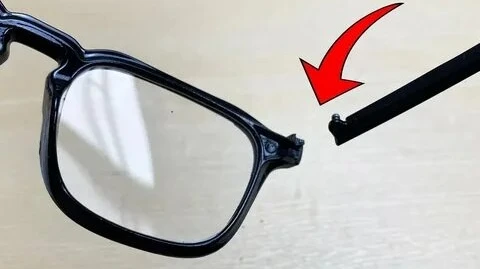
This beginner-friendly guide explains the difference between a professional eyeglass repair service and DIY repairs, which option is safer, and what precautions you should take before trying to fix your glasses yourself.
Glasses are part of daily life for many people. They help with reading, driving, working, studying, and staying safe while moving around. When eyeglasses break, bend, or become loose, it can feel urgent to fix them quickly. This is where many people face a common question: should they use a professional eyeglass repair service, or should they try DIY repairs at home?
At first, DIY repairs may seem faster and cheaper. A loose screw, bent frame, or popped-out lens may look simple to fix. However, eyeglasses are delicate medical devices designed to support your vision. A poor repair can affect comfort, lens position, eye alignment, and even safety.
This beginner-friendly guide explains the difference between a professional eyeglass repair service and DIY repairs, which option is safer, and what precautions you should take before trying to fix your glasses yourself.
Why Eyeglass Repair Matters
Eyeglasses are not just accessories. They are vision correction tools made according to your prescription. The frame, lenses, nose pads, hinges, screws, and temples all work together to keep the lenses in the correct position in front of your eyes.
Even a small change in lens angle or frame shape can affect how clearly you see. Poorly repaired glasses may cause eye strain, headaches, dizziness, blurred vision, or discomfort behind the ears and on the nose.
This is especially important for people with strong prescriptions, progressive lenses, bifocals, children’s glasses, safety glasses, or prescription sunglasses. In these cases, the fit and alignment of the frame matter a lot.
What Is an Eyeglass Repair Service?
An eyeglass repair service is a professional service that fixes damaged glasses using proper tools, replacement parts, and repair techniques. Trained technicians can repair many common eyeglass problems, including broken hinges, missing screws, bent frames, loose nose pads, cracked temples, and lenses that have come out of the frame.
A professional service can also check whether your glasses are still safe to wear after repair. This is important because some damage may not be obvious at first. For example, a frame may look fixed but still hold the lenses unevenly. A technician can inspect the alignment and make adjustments so the glasses sit correctly on your face.
Common Uses of an Eyeglass Repair Service
The main uses of an eyeglass repair service include restoring damaged glasses, improving comfort, extending the life of frames, and helping you avoid unnecessary replacement costs.
People commonly use an eyeglass repair service for:
Loose or Missing Screws
Tiny screws hold the hinges and frame parts together. If a screw becomes loose or falls out, the temple arm may wobble or detach. A professional can replace the screw with the right size and tighten it properly.
Bent Frames
Metal and plastic frames can bend after being dropped, stepped on, or stored without a case. A repair service can reshape the frame safely without cracking it or weakening the material.
Broken Hinges
Hinges are one of the most common parts to break. Repairing a hinge requires precision, especially if the hinge is spring-loaded. A professional repair is usually safer than trying to glue or force the hinge back into place.
Lens Problems
Sometimes lenses pop out of the frame. This can happen with rimless, semi-rimless, or full-rim glasses. A technician can reinstall the lens and check whether the frame still holds it securely.
Nose Pad Replacement
Nose pads can become yellow, hard, loose, or uncomfortable. Replacing them improves hygiene, comfort, and fit.
DIY Eyeglass Repairs: What People Usually Try
DIY eyeglass repairs are fixes done at home without professional help. People often try them because they want a quick solution or want to save money. Some DIY repairs are simple, but others can be risky.
Common DIY methods include tightening screws with a small screwdriver, using glue on broken parts, bending frames by hand, using tape as a temporary fix, replacing nose pads, or pushing a lens back into place.
Some of these fixes may work for a short time, but they are not always safe or lasting. The biggest issue is that glasses require careful alignment. A repair that looks fine may still affect how the lenses sit in front of your eyes.
Which Option Is Safer?
In most cases, a professional eyeglass repair service is safer than DIY repair. This is especially true when the frame is badly bent, the lens has fallen out repeatedly, the hinge is broken, or the glasses have a complex design.
A professional repair reduces the risk of further damage. It also helps protect your vision by keeping the lenses positioned correctly. DIY repairs may be suitable only for very minor issues, such as gently tightening a loose screw with the correct tool.
If your glasses are expensive, prescription-based, or used every day, professional repair is usually the safer choice.
Safety Risks of DIY Eyeglass Repairs
DIY repairs can create several problems if done incorrectly. Beginners may not realize how easy it is to damage frames or lenses.
Scratched Lenses
Using the wrong tools or placing lenses on a hard surface can cause scratches. Scratched lenses may reduce visual clarity and increase glare.
Poor Frame Alignment
Bending frames by hand can make them uneven. This may cause one lens to sit higher than the other, leading to eye strain or headaches.
Weak Repairs
Glue, tape, or household materials may not hold the frame securely. A weak repair can fail suddenly while driving, walking, working, or caring for children.
Skin Irritation
Some adhesives or cleaning chemicals may irritate the skin around the nose, ears, or face. This is especially important for people with sensitive skin, allergies, or skin conditions.
Eye Injury
Trying to force a lens into a frame or using sharp tools near the lenses can be dangerous. Small frame parts or broken pieces may also cause injury.
When DIY Repair May Be Acceptable
DIY repair may be acceptable only for simple and low-risk problems. For example, if a screw is slightly loose and you have an eyeglass repair kit with the correct screwdriver, you may carefully tighten it.
You may also replace a simple nose pad if you have the correct size and know how it fits. However, even small repairs should be done gently. If you feel resistance, stop. Forcing the frame can make the damage worse.
DIY repair should be temporary when the glasses are important for daily vision. After a quick fix, it is still wise to have the glasses inspected by a professional.
When You Should Choose an Eyeglass Repair Service
A professional eyeglass repair service is the better option when your glasses are expensive, your prescription is strong, or the damage affects how the glasses sit on your face.
You should choose professional repair if:
The Frame Is Bent Badly
Severe bending requires controlled heat, pressure, and experience. Plastic frames can snap if bent the wrong way.
The Hinge Is Broken
Hinge repairs are difficult because the parts are tiny and must move smoothly. Glue is usually not a safe long-term solution.
The Lens Keeps Falling Out
This may mean the frame is stretched, cracked, or missing a part. A professional can identify the real cause.
You Wear Progressive or Bifocal Lenses
Progressive and bifocal lenses depend on accurate positioning. Even small alignment errors can affect reading zones and distance vision.
The Glasses Are for a Child
Children’s glasses must be safe, sturdy, and comfortable. Poor repairs may create sharp edges or unstable frames.
Medical Considerations: Vision, Skin, and Eye Health
Although eyeglass repair is not the same as treating a medical condition, damaged glasses can affect comfort and safety. Poorly fitted glasses may cause headaches, eye fatigue, blurred vision, and neck strain.
People sometimes confuse irritation from glasses with other skin or eye issues. For example, redness near the nose pads may be caused by pressure, dirt, sweat, or skin sensitivity. In some cases, irritation around the face may also be related to a fungal infection or yeast infection, especially if the area stays moist and irritated.
It is important not to use medicated creams, antifungal products, or eye-area treatments without proper guidance. Products used for fungal infection or yeast infection have specific uses, dosage instructions, side effects, and precautions. They are not meant to repair glasses or clean lenses. Applying the wrong product near your eyes or on your frames may cause irritation, damage coatings, or worsen discomfort.
If you notice persistent redness, itching, swelling, rash, discharge, or pain around the eyes, nose, or ears, the safer step is to seek proper medical advice. Glasses can be repaired by a technician, but skin or eye symptoms should be handled as a health concern.
Precautions Before Trying DIY Repairs
If you decide to try a minor DIY repair, take basic precautions to reduce risk.
Work on a clean, flat surface with good lighting. Place a soft cloth underneath the glasses to protect the lenses. Use only tools made for eyeglasses. Avoid large screwdrivers, pliers, strong glue, heat, or household chemicals.
Never use super glue near lenses, hinges, or nose pads unless you fully understand the risk. Glue can spread, harden unevenly, damage lens coatings, and create sharp surfaces. It may also make professional repair harder later.
Do not bend plastic frames without proper knowledge. Some plastic frames require controlled warming before adjustment. Too much heat can warp the frame or damage the lenses.
Avoid using skincare products, antifungal creams, yeast infection treatments, alcohol, acetone, or harsh cleaners on frames or lenses. These products have specific uses and precautions, and they may cause side effects such as skin burning, eye irritation, or damage to lens coatings.
Cost: DIY vs. Professional Repair
DIY repairs may seem cheaper because a small repair kit costs less than a professional service. However, the cheaper option can become expensive if the repair fails and damages the lenses or frame.
A professional eyeglass repair service may cost more upfront, but it can save money by extending the life of your glasses. It can also help prevent the need to replace the entire pair.
If your glasses are new, designer, prescription-based, or fitted with special lenses, professional repair is often the smarter financial choice.
Comfort and Fit After Repair
A major benefit of professional repair is proper fitting. After fixing the frame, a technician can adjust the temples, nose pads, and lens angle. This helps the glasses sit evenly and comfortably.
DIY repairs often focus only on making the glasses usable again. They may not restore comfort or alignment. Glasses that slide down, pinch the nose, sit crooked, or press behind the ears may need professional adjustment.
Comfort matters because uncomfortable glasses are often worn incorrectly or removed frequently. This can interfere with clear vision and daily tasks.
How to Decide Between DIY and Professional Repair
The safest choice depends on the type of damage, the value of the glasses, and how much you rely on them.
Choose DIY only for very minor issues, such as tightening a loose screw or replacing a simple nose pad with the correct part. Choose an eyeglass repair service for broken hinges, bent frames, lens problems, expensive glasses, children’s glasses, progressive lenses, and any repair that affects fit or vision.
A good rule is simple: if the repair changes the shape, strength, or lens position of your glasses, professional service is safer.
Final Verdict: Eyeglass Repair Service Is Usually Safer
DIY repairs can help in small emergencies, but they are not always reliable or safe. Eyeglasses are precision tools that support your vision, comfort, and daily safety. A poor repair can lead to scratches, weak frames, poor alignment, discomfort, and even eye strain.
A professional eyeglass repair service is usually the safer option because it uses proper tools, correct parts, and experienced repair methods. It can restore your glasses more accurately and reduce the chance of further damage.
For beginners, the best approach is to handle only simple, low-risk fixes at home and leave major repairs to professionals. Your glasses protect your vision every day, so repairing them safely is worth the extra care.


Comments
Login to Comment