Top Benefits of Structural Retrofitting for Indian Properties
28 Apr, 2026
1933 Views 0 Like(s)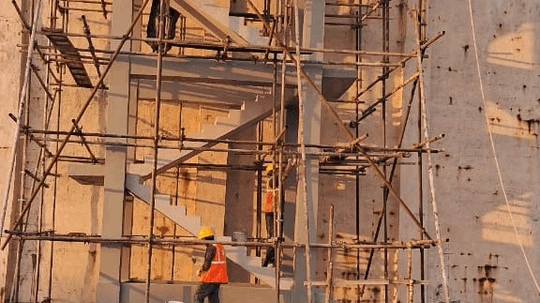
Explore how retrofitting improves safety, increases property value, and enhances building durability.
Structural retrofitting has become a critical need across India as aging infrastructure, rapid urbanization, and changing safety standards put pressure on existing buildings. Retrofitting focuses on strengthening structures without complete reconstruction, making it a practical and cost-effective solution. Property owners, builders, and facility managers now actively search for reliable structural retrofitting services in India to improve safety, durability, and compliance with modern engineering standards.
What is Structural Retrofitting?
Structural retrofitting refers to the process of modifying existing buildings to enhance their strength, stability, and performance. It involves upgrading structural components such as beams, columns, slabs, and foundations. This process ensures that buildings can withstand environmental stresses like earthquakes, heavy loads, and weather conditions. Retrofitting is widely used in residential, commercial, and industrial properties where reconstruction is either impractical or too expensive.
Why Retrofitting is Important for Indian Structures
India has a large number of older buildings that were constructed using outdated design standards and materials. These structures may not meet current safety requirements, especially in earthquake-prone zones. Structural retrofitting services in India help address these issues by reinforcing weak points and improving overall structural integrity. This ensures occupant safety, extends building lifespan, and reduces the risk of sudden structural failure.
Common Signs That a Building Needs Retrofitting
Identifying the need for retrofitting early can prevent serious damage and costly repairs. Visible cracks in walls, corrosion of reinforcement steel, water leakage, and uneven settlement are common indicators. Buildings that have undergone structural modifications without proper planning may also require strengthening. Many property owners search for building repair and strengthening services when they notice such issues affecting safety and usability.
Types of Structural Retrofitting Techniques
Different retrofitting methods are used depending on the building condition and requirements. Jacketing is one of the most common techniques, where concrete or steel is added around existing structural members to increase strength. Fiber Reinforced Polymer wrapping is another advanced method that enhances load-bearing capacity. Steel bracing, foundation strengthening, and seismic retrofitting are also widely used techniques in modern construction practices.
Seismic Retrofitting for Earthquake Resistance
Seismic retrofitting is especially important in earthquake-prone regions of India. It involves strengthening structures to resist seismic forces and prevent collapse. Techniques include base isolation, shear wall addition, and bracing systems. With increasing awareness, many property owners are searching for earthquake resistant retrofitting solutions to secure their buildings. This approach significantly improves structural resilience and reduces the impact of seismic activity.
Benefits of Structural Retrofitting Services
Structural retrofitting offers multiple advantages beyond safety. It is more cost-effective than rebuilding a structure from scratch. It helps maintain the original architecture while improving performance. Retrofitting also increases property value and ensures compliance with updated building codes. Businesses and homeowners often look for structural strengthening services to avoid disruptions and extend the usability of their existing infrastructure.
Cost Factors in Retrofitting Projects
The cost of structural retrofitting services in India depends on various factors such as building condition, size, materials used, and type of strengthening required. Advanced techniques like carbon fiber wrapping may cost more but provide long-term durability. Site accessibility and labor requirements also influence pricing. Many users search for affordable retrofitting solutions that balance quality and budget without compromising structural safety.
Retrofitting vs Reconstruction: Which is Better?
Choosing between retrofitting and reconstruction depends on the condition of the structure. Retrofitting is suitable when the core structure is stable but requires strengthening. Reconstruction is preferred when damage is extensive or the building is beyond repair. Retrofitting is faster, less disruptive, and more economical, making it a preferred choice for most property owners looking for building renovation and strengthening services.
Applications of Retrofitting in Different Sectors
Structural retrofitting is widely used across multiple sectors in India. Residential buildings require strengthening to ensure family safety. Commercial spaces use retrofitting to meet compliance standards and handle increased loads. Industrial structures benefit from improved durability and performance. Infrastructure projects such as bridges and public buildings also rely on retrofitting techniques to maintain long-term functionality and safety.
Materials Used in Structural Retrofitting
Modern retrofitting solutions use a combination of traditional and advanced materials. Concrete, steel, and epoxy resins are commonly used for strengthening structural components. Fiber Reinforced Polymers are gaining popularity due to their high strength-to-weight ratio. High-performance grouts and corrosion-resistant coatings are also used to enhance durability. These materials play a key role in ensuring effective and long-lasting retrofitting outcomes.
Challenges in Retrofitting Projects
Despite its benefits, structural retrofitting comes with certain challenges. Working on existing structures requires careful planning and precision. Limited access, structural constraints, and ongoing building usage can complicate the process. Skilled engineering expertise is essential to execute retrofitting safely and efficiently. Many clients search for experienced retrofitting contractors in India who can handle complex projects with minimal disruption.
Importance of Professional Assessment
Before starting any retrofitting work, a detailed structural assessment is necessary. Engineers evaluate the building condition, identify weaknesses, and recommend suitable strengthening methods. This step ensures that the retrofitting plan is effective and aligned with safety standards. Professional assessment also helps avoid unnecessary expenses by focusing only on critical areas that require intervention.
Latest Trends in Structural Retrofitting
The field of structural retrofitting is evolving with new technologies and innovative materials. Digital modeling and structural analysis tools help engineers design precise solutions. Advanced materials like carbon fiber and high-strength composites are improving efficiency and durability. Sustainable retrofitting practices are also gaining attention, as they reduce environmental impact while enhancing building performance.
Choosing the Right Retrofitting Service Provider
Selecting the right service provider is crucial for the success of a retrofitting project. Look for companies with proven experience, technical expertise, and a strong portfolio. Reliable providers offer end-to-end services including inspection, design, and execution. Many clients search for trusted structural retrofitting companies in India that deliver quality work within timelines and budget.
Role of Retrofitting in Sustainable Construction
Retrofitting supports sustainable construction by reducing the need for demolition and new materials. It minimizes waste generation and conserves resources. Strengthening existing structures instead of rebuilding helps lower the overall carbon footprint. This approach aligns with modern environmental goals and promotes responsible infrastructure development across India.
Future of Structural Retrofitting in India
The demand for retrofitting services is expected to grow significantly in the coming years. Increasing urbanization, aging infrastructure, and stricter safety norms will drive this growth. Government initiatives and awareness campaigns are also encouraging property owners to invest in structural strengthening. The future of retrofitting lies in advanced technologies and efficient solutions that ensure long-term safety and performance.
Structural retrofitting is no longer an option but a necessity for maintaining safe and durable buildings in India. Whether it is residential, commercial, or industrial, strengthening existing structures ensures long-term value and security. For reliable and professional solutions, Gubbi Civil Engineers Limited stands out as a trusted name, offering expertise in advanced retrofitting techniques and delivering high-quality results tailored to modern construction needs.



Comments
Login to Comment