When Is Apo Fluconazole 150 Prescribed? A Professional Overview
28 Apr, 2026
1904 Views 0 Like(s)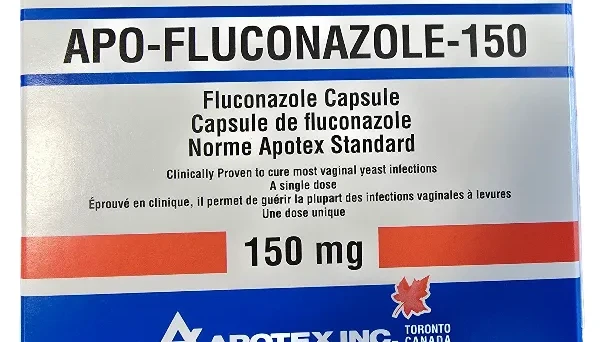
For beginners, medicine names can feel confusing. You may wonder what apo fluconazole 150 is used for, when doctors prescribe it, how it works, and what side effects or precautions matter most. This guide explains the basics in simple and clear language.
Apo fluconazole 150 is a prescription antifungal medicine used to treat certain fungal and yeast infections. It contains fluconazole, a well-known antifungal drug that helps stop the growth of fungi. In many cases, it is prescribed as a single 150 mg dose, especially for specific types of yeast infection. Because of its convenience and effectiveness, it is commonly used in routine medical practice.
For beginners, medicine names can feel confusing. You may wonder what apo fluconazole 150 is used for, when doctors prescribe it, how it works, and what side effects or precautions matter most. This guide explains the basics in simple and clear language.
What Is Apo Fluconazole 150?
Apo fluconazole 150 is an oral antifungal capsule or tablet that contains 150 mg of fluconazole. Fluconazole belongs to a group of medicines called azole antifungals. These medicines work by damaging the fungal cell membrane, which makes it harder for the fungus to survive and multiply.
Unlike antibiotics, which treat bacterial infections, fluconazole is designed for fungal infection treatment. It is not useful for colds, flu, or most common bacterial illnesses.
When Is Apo Fluconazole 150 Prescribed?
Doctors prescribe apo fluconazole 150 when they believe a fungal or yeast infection is the cause of symptoms. The exact reason for prescribing it depends on the type of infection, its severity, the patient’s medical history, and whether the infection is a first-time or recurring problem.
1. Vaginal Yeast Infection
One of the most common reasons for prescribing apo fluconazole 150 is an uncomplicated vaginal yeast infection. This type of infection is often caused by an overgrowth of Candida, a fungus that naturally lives in the body in small amounts.
Common symptoms may include:
-
Itching or irritation in the vaginal area
-
Burning sensation
-
Thick white discharge
-
Redness or swelling
-
Discomfort during urination or intercourse
In many uncomplicated cases, a doctor may prescribe a single 150 mg dose. This simple dosing schedule is one reason fluconazole is widely used.
2. Recurrent Yeast Infections
Some people get repeated yeast infections over time. In these cases, the treatment plan may be different. A doctor may prescribe more than one dose or recommend a longer treatment schedule. The goal is not only to clear the current infection but also to reduce the chance of it coming back soon.
This is why patients should never assume that every yeast infection should be treated the same way. A repeat infection may need closer evaluation.
3. Other Candida Infections
Fluconazole can also be prescribed for other infections caused by Candida, such as:
-
Oral thrush
-
Throat yeast infections
-
Certain internal Candida infections
However, the dose for these conditions is often different from apo fluconazole 150. The 150 mg strength is commonly associated with vaginal candidiasis, but doctors may use fluconazole in other strengths and schedules depending on the infection site.
4. Prevention in Some High-Risk Patients
In some medical settings, fluconazole may be prescribed to help prevent fungal infections in people with weak immune systems. This may include people receiving cancer treatment or those with certain serious health conditions. Again, the dosing in these cases is usually more specialized and may not match the standard 150 mg single-dose approach.
How Does Apo Fluconazole 150 Work?
To understand why apo fluconazole 150 is prescribed, it helps to know how it works. Fungi need a substance called ergosterol to build and maintain their cell membranes. Fluconazole blocks the production of ergosterol. Without it, the fungal cells become weak and cannot grow properly.
This action helps the body clear the infection. Symptom relief may not happen instantly, so patients should know that improvement can take a little time even after taking the medicine.
How Is Apo Fluconazole 150 Taken?
The dosage of apo fluconazole 150 depends on the condition being treated. For many uncomplicated vaginal yeast infections, it is often taken as one oral dose.
General tips include:
-
Take it exactly as prescribed
-
Swallow it with water
-
It can usually be taken with or without food
-
Do not take extra doses unless your doctor advises it
Some people expect symptoms to disappear right away, but that is not always how antifungal treatment works. Relief may begin within a day or two, but full improvement can take several days. If symptoms continue, worsen, or return quickly, a medical review is important.
Who May Need Medical Advice Before Taking It?
Although apo fluconazole 150 is commonly prescribed, it is not suitable for everyone without review. A healthcare professional may ask about your history before prescribing it.
This is especially important if you:
-
Have liver disease
-
Have kidney problems
-
Are pregnant or trying to become pregnant
-
Are breastfeeding
-
Have heart rhythm problems
-
Take multiple prescription medicines
-
Have had allergic reactions to antifungal medicines before
In these situations, the doctor may still prescribe fluconazole, but only after weighing the risks and benefits.
Common Side Effects of Apo Fluconazole 150
Like all medicines, apo fluconazole 150 can cause side effects. Many people take it without major problems, but mild side effects can happen.
Common side effects may include:
-
Nausea
-
Stomach discomfort
-
Headache
-
Diarrhea
-
Dizziness
-
Mild skin rash
These effects are often temporary and may go away on their own. Still, patients should pay attention to how they feel after taking the medication.
Serious Side Effects to Watch For
Serious reactions are less common, but they can occur. Medical help should be sought right away if symptoms suggest a severe reaction.
Warning signs may include:
-
Trouble breathing
-
Swelling of the face, lips, or tongue
-
Severe skin rash
-
Yellowing of the skin or eyes
-
Dark urine
-
Severe weakness
-
Fainting or irregular heartbeat
These symptoms may point to an allergy, liver problem, or another serious reaction. Although rare, they should never be ignored.
Important Precautions and Drug Interactions
A key part of safe treatment is understanding precautions. Fluconazole can interact with other medicines. This means it may change how another drug works, or another drug may change how fluconazole works.
Medicines that may need review include:
-
Blood thinners
-
Some diabetes medicines
-
Certain seizure medicines
-
Some heart medicines
-
Certain cholesterol-lowering drugs
Because of this, patients should tell their doctor or pharmacist about all prescription medicines, over-the-counter products, and supplements they use.
Another important precaution is self-diagnosis. Not every itching or discharge problem is a yeast infection. Similar symptoms can also happen with bacterial infections, skin irritation, allergic reactions, or sexually transmitted infections. Taking the wrong medicine can delay proper treatment.
When Apo Fluconazole 150 May Not Be the Right Choice
There are times when apo fluconazole 150 may not be the best option. For example:
-
The infection may not be caused by yeast
-
The infection may be severe or complicated
-
The symptoms may be recurring too often
-
The patient may be pregnant
-
The fungal strain may not respond well to fluconazole
In these situations, a doctor may recommend a different antifungal medicine, a different dose, or further testing.
What If Symptoms Do Not Improve?
Patients often ask how long it should take to feel better. For many mild vaginal yeast infections, symptoms improve within a few days. But improvement speed varies.
A patient should speak with a healthcare professional if:
-
Symptoms do not improve after a few days
-
Symptoms get worse
-
Symptoms return soon after treatment
-
New symptoms appear
-
There is fever, pelvic pain, foul-smelling discharge, or bleeding
These signs may suggest a different diagnosis or a more complicated infection.
Practical Advice for Patients
If you have been prescribed apo fluconazole 150, follow your doctor’s instructions carefully. Avoid assuming that previous symptoms always mean the same infection. Accurate diagnosis matters, especially when symptoms repeat or do not respond to treatment.
Helpful steps include:
-
Take the medicine exactly as directed
-
Finish any treatment plan your doctor gives
-
Report unusual side effects
-
Inform your doctor about other medicines
-
Seek medical advice for recurring symptoms
Final Thoughts
Apo fluconazole 150 is commonly prescribed for certain fungal infections, especially uncomplicated yeast infection cases such as vaginal candidiasis. Its simple dosing, reliable antifungal action, and convenient oral form make it a common choice in clinical care.
Still, the right use of this medicine depends on proper diagnosis, correct dosage, and awareness of possible side effects and precautions. While many people benefit from it, it should be used thoughtfully and under professional guidance.
Understanding when apo fluconazole 150 is prescribed can help patients feel more informed and confident about their treatment. The more you know about its uses, safety, and limits, the easier it becomes to recognize when medical advice is needed.



Comments
Login to Comment