Professional Air Conditioning Installation in Doncaster: What to Expect
28 Apr, 2026
1941 Views 0 Like(s)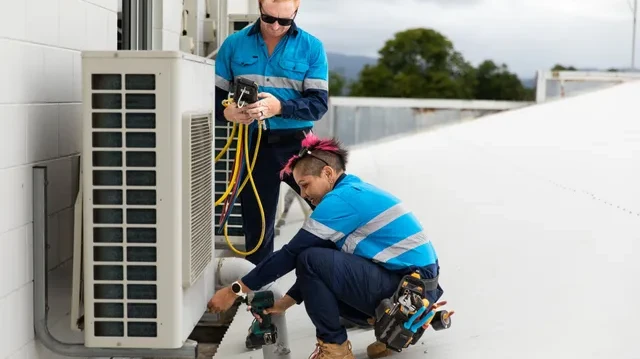
Planning air conditioning in Doncaster? Learn what to expect from survey to installation day and how to select the best certified local installer.
Whether you're bracing for another warm British summer or looking to keep your home comfortable year-round, investing in air conditioning in Doncaster is one of the smartest home improvement decisions you can make. But like any significant home upgrade, the process works best when you know what's involved from the first phone call to the moment cold air starts flowing through your rooms.
This guide walks you through exactly what to expect when you hire a professional air conditioning installer in Doncaster, so there are no surprises along the way.
Why Doncaster Homeowners Are Turning to Air Conditioning
Doncaster sits in South Yorkshire, where summer temperatures have crept steadily higher over recent years. What was once considered a luxury appliance is quickly becoming a household essential, particularly for families with young children, elderly relatives, or anyone working from home.
Modern air conditioning systems do far more than cool a room. They dehumidify the air and filter out allergens and dust particles, and many models now reverse in winter to act as a highly efficient heat pump, making them a genuinely year-round investment. For Doncaster residents dealing with older, draughty properties or newer builds with poor ventilation, this dual functionality makes the case for installation even stronger.
Step 1: The Initial Survey and Consultation
Every reputable air conditioning company in Doncaster will begin with a proper site survey before recommending a system or quoting a price. Be cautious of any company that offers a firm quote without visiting your property first.
During the survey, the installer will assess:
- The size and layout of the rooms you want to condition determine the required output capacity (measured in BTUs or kW)
- Wall thickness and construction type are important for deciding where to route pipework and cables
- Where the outdoor unit will be positioned ideally somewhere with adequate airflow, shade where possible, and minimal visual impact on the property
- Electrical supply: Most residential systems require a dedicated circuit, and the surveyor will check whether your existing consumer unit can accommodate this
- Any planning considerations in conservation areas or listed buildings: installation may require permitted development approval
A thorough surveyor will also ask about your priorities: Are you most concerned about energy efficiency? Quiet operation? Smart home integration? These preferences will shape the system recommendation.
Step 2: Choosing the Right System
After the survey, your installer will recommend a system type. For most Doncaster homes, this will be one of the following:
- Single-split system — One indoor unit connected to one outdoor unit. This is the most common choice for single rooms, such as a bedroom, living room, or home office. Cost-effective and straightforward to install.
- Multi-split system — One outdoor unit connected to multiple indoor units across different rooms. Ideal if you want to condition several areas without multiple external units cluttering the outside of your property.
- Ducted system — A discreet option where conditioned air is distributed through concealed ducts and ceiling vents. Best suited to new builds or major renovations where ductwork can be integrated without significant disruption.
Your installer should explain the energy efficiency ratings (look for A+++ rated models), expected running costs, and brand warranty terms. Leading brands commonly specified in the UK market include Mitsubishi Electric, Daikin, Fujitsu, and Panasonic all of which have strong aftercare networks.
Step 3: The Installation Day
Once you've agreed on a system and a date, here's what installation day typically looks like.
Morning: setting up and marking out
The installation team will arrive and walk through the job with you before starting. They'll confirm the positions of indoor and outdoor units, mark out cable and pipe routes, and lay protective sheets over flooring and furniture.
Core drilling and mounting
The indoor unit is fixed to the wall, and a small core hole (typically 65–80mm) is drilled through the wall to pass refrigerant pipework, electrical cabling, and a condensate drain to the outside. This is the noisiest part of the process and usually takes no more than 20–30 minutes.
Outdoor unit installation
The external unit is fixed to the wall via a bracket or placed on a ground-mounted frame. Your installer will ensure it's level, secure, and positioned to allow adequate airflow around it.
Pipework and electrical connections
Refrigerant pipes are connected between the indoor and outdoor units, typically clad in insulation and run neatly in trunking along external walls. A qualified electrician, often part of the same installation team, will wire up the system and connect it to a dedicated circuit in your consumer unit.
Vacuum, pressure testing, and commissioning
Before the system is charged with refrigerant, the pipework is vacuumed down to remove any air or moisture. The system is then pressure-tested to confirm there are no leaks, a critical step that less thorough installers sometimes skip. Finally, the refrigerant is checked, and the system is powered on for commissioning.
A standard single-split installation in a Doncaster home typically takes between four and six hours. Multi-split systems or installations with longer pipe runs may take a full day or more.
Step 4: Handover and Aftercare
A professional installer won't simply pack up and leave. At handover, they should:
- Walk you through how to operate the system using the remote control or app
- Explain the different modes (cooling, heating, fan, dehumidify, auto)
- Advise you on filter cleaning, typically every four to six weeks during heavy use
- Provide all documentation, including the system warranty, F-Gas certificate (legally required for any work involving refrigerants), and installation records
Ask about annual servicing. Most manufacturers recommend a yearly service to maintain efficiency, check refrigerant levels, and catch any early signs of wear. Many Doncaster installers offer maintenance agreements that make this easy to manage.
What to Look for in a Doncaster Air Conditioning Installer
Before committing to any company, check that they hold the following:
- F-Gas certification legally required for anyone handling refrigerants in the UK
- MCS certification (if you're claiming any government incentive or heat pump grant)
- NICEIC or NAPIT registration for the electrical work
- Positive local reviews on Google, Checkatrade, or Trustpilot
- A written quote that itemises equipment, labour, and any additional materials separately
A trustworthy air conditioning company will be happy to provide references from previous Doncaster customers and will give you a written guarantee on both parts and workmanship.
Final Thoughts
Getting air conditioning installed in Doncaster doesn't have to be a stressful or complicated process. When you work with a qualified, experienced local installer, the whole journey from survey to switch-on should feel clear, professional, and straightforward.
The key is preparation: knowing what questions to ask, understanding what's included in your quote, and choosing a company with the right accreditations. Do that, and you'll be enjoying a perfectly comfortable home long before the next heatwave arrives.


Comments
Login to Comment