CPVC Fittings: The Quiet Backbone of Reliable Plumbing
16 Feb, 2026
7514 Views 0 Like(s)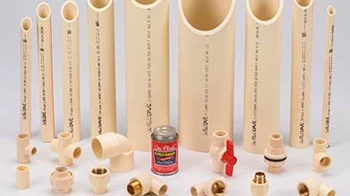
Explore CPVC fittings designed for strength, heat resistance, and leak-free performance in residential and commercial plumbing systems.
CPVC Fittings: Durable Solutions for Modern Plumbing
Most people never notice them. They sit behind walls, under sinks, above ceilings. No shine. No drama. Yet when they fail, everything stops.
That’s the strange truth about CPVC fittings. They don’t ask for attention, but they quietly decide whether a building feels safe, functional, and future-proof—or becomes a recurring repair nightmare.
To understand why these small components matter so much, you have to look beyond the pipe itself. The real story lives at the joints.
What CPVC Really Brings to the Table
CPVC, short for chlorinated polyvinyl chloride, was not created to impress. It was created to endure.
Unlike traditional materials that struggle with heat, corrosion, or chemical exposure, CPVC was engineered to handle pressure and temperature without complaint. Hot water. Cold water. Continuous use. Long years.
The fittings are where that strength is tested.
A pipe can be flawless, but a poorly designed elbow or tee will betray it. CPVC fittings are shaped, sized, and formulated to eliminate weak points. They don’t just connect pipes. They maintain balance across the system.
Why Fittings Matter More Than Pipes
This might sound counterintuitive, but pipes rarely fail on their own.
Failures happen at joints. Turns. Transitions. Points of stress.
Every fitting introduces a change in direction, flow, or pressure. If that point isn’t stable, the entire system inherits the risk. CPVC fittings are designed to absorb those stresses quietly, without cracking or deforming over time.
That’s why experienced installers obsess over fittings, not pipes.
The Feel of a Well-Made CPVC Fitting
Pick one up. You’ll notice it immediately.
It’s light, but not flimsy. Smooth, but not slippery. The edges are clean. The inner surface feels almost polished.
That smoothness isn’t cosmetic. Water flows with less resistance. Scale struggles to form. Over time, this translates to consistent pressure and fewer surprises.
Cheap fittings feel rough inside. You may not notice it on day one, but water never forgets friction.
Heat Changes Everything
One of the biggest advantages of CPVC fittings is their relationship with heat.
Hot water systems are unforgiving. Materials expand, contract, weaken, and sometimes fail silently before collapsing suddenly.
CPVC fittings are built to handle elevated temperatures without losing shape or strength. They don’t soften dangerously. They don’t leach odors into water. They don’t corrode internally like metal fittings can.
This makes them especially valuable in residential hot water lines, commercial buildings, and multi-storey systems where temperature consistency is critical.
Common Types of CPVC Fittings and Why They Exist
Each fitting shape exists because plumbing systems aren’t straight lines.
Elbows
Used to change direction. A 90-degree turn introduces stress, so these fittings are thicker at stress points to compensate.
Tees
They split flow. Balanced tees maintain pressure distribution so one outlet doesn’t starve the other.
Couplings
Simple but crucial. They extend pipe runs and must maintain perfect alignment to prevent micro-leaks.
Reducers
Used when pipe sizes change. Poor reducers create turbulence. Good ones smooth the transition.
Adapters
They connect CPVC to other materials. This is where material science really matters, because compatibility issues can destroy systems slowly.
None of these shapes are accidental. Each solves a specific physical problem.
Installation: Where Skill Meets Simplicity
One of the reasons CPVC fittings gained popularity is installation ease.
No welding. No threading. No open flames.
Solvent cement creates a molecular bond. Not a glue layer, but an actual fusion. When done correctly, the joint becomes as strong as the pipe itself.
That said, “easy” doesn’t mean careless.
Surface prep matters. Alignment matters. Timing matters. A rushed joint today becomes tomorrow’s leak.
Good installers respect the process. They don’t fight it.
Longevity Isn’t an Accident
When people talk about long-lasting plumbing, they often mean “it hasn’t failed yet.”
True longevity is quieter than that. It’s consistency. Pressure that feels the same year after year. Water that doesn’t change taste. Joints that don’t sweat, creep, or weaken.
CPVC fittings contribute heavily to this kind of longevity. They resist internal scaling, external corrosion, and chemical breakdown from treated water.
That’s why many systems run untouched for decades.
Performance Under Pressure
Literally.
Water pressure fluctuates more than most people realize. Pumps cycle. Valves open and close. Demand spikes.
Every fluctuation sends a shock through the system. CPVC fittings are designed to absorb those micro-shocks instead of transferring stress down the line.
Metal fittings often respond by hardening and cracking over time. CPVC stays slightly flexible, which is exactly what pressure systems need.
Safety and Water Quality
Plumbing isn’t just about flow. It’s about trust.
Water travels through every fitting before reaching the tap. Materials matter. Reactions matter.
CPVC fittings are resistant to most disinfectants used in water treatment. They don’t rust. They don’t flake. They don’t create metallic tastes or discoloration.
That stability protects not just pipes, but the water itself.
Residential vs Commercial Use
In homes, CPVC fittings provide quiet reliability. Hot showers. Washing machines. Kitchens that don’t surprise you.
In commercial settings, the demands multiply. Higher pressure. Longer runs. Continuous usage.
CPVC fittings scale well. Their performance doesn’t change dramatically with size or complexity. That predictability makes system design easier and maintenance simpler.
Environmental Perspective
Durability is an environmental advantage, even if it doesn’t sound exciting.
Systems that last longer require fewer replacements. Fewer repairs mean less material waste, less labor, less disruption.
CPVC fittings don’t corrode, which reduces contamination risks and replacement frequency. Over time, that matters more than flashy sustainability claims.
Common Mistakes That Undermine CPVC Fittings
Even the best materials can fail if misused.
-
Incorrect solvent application
-
Poor alignment during jointing
-
Mixing incompatible materials without proper adapters
-
Exposing fittings to open flame during construction
-
Using damaged or improperly stored components
Most failures blamed on CPVC aren’t material failures. They’re process failures.
Maintenance: Mostly Invisible, Which Is the Point
Well-installed CPVC fittings don’t demand attention.
There’s no rust to monitor. No threads to tighten. No coatings to reapply.
Maintenance usually means inspecting visible joints during renovations or after pressure changes. If something feels wrong, it usually is—and CPVC fittings make issues visible before they become disasters.
Why Professionals Trust CPVC Fittings
Plumbers who’ve seen systems age understand one thing: predictability is priceless.
CPVC fittings behave consistently. They don’t surprise you. They don’t slowly change character. What you install is what you get years later.
That reliability reduces callbacks, disputes, and downtime. In the long run, that matters more than initial cost comparisons.
The Invisible Confidence of a Good System
Nobody praises plumbing when it works. They only notice when it doesn’t.
That’s the strange compliment CPVC fittings earn. Silence. Normalcy. Water that behaves the way water should.
Behind that normalcy is careful design, thoughtful material science, and fittings that refuse to be the weakest link.
Final Thoughts
CPVC fittings don’t tell a dramatic story. They don’t need to.
Their value lies in what doesn’t happen. No leaks. No corrosion. No constant repairs. Just steady performance, day after day.
In plumbing, that kind of quiet reliability isn’t boring.
It’s everything.
Disclaimer: ThynkTales is a public blogging platform where content is contributed by individual users. While we encourage thoughtful and accurate sharing, we do not independently verify the information provided. Readers are advised to use their discretion and verify any information before relying on it.



Comments
Login to Comment