Can Lymphatic Drainage Massage Help Relieve Heavy Legs?
10 Nov, 2026
9 Views 0 Like(s)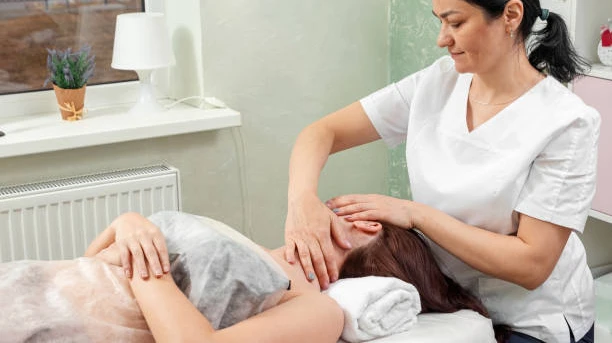
Looking for Lymphatic drainage massage in Riyadh? Explore how this specialized massage may help relieve swelling, support fluid circulation, and improve your se
Heavy legs can make everyday activities such as walking, standing, and climbing stairs feel uncomfortable. This sensation may be associated with fluid retention, prolonged sitting, reduced movement, or circulation-related conditions. Lymphatic drainage massage is a gentle technique that may help manage certain types of fluid buildup and improve comfort in suitable individuals.
People exploring Lymphatic drainage massage in Riyadh (التدليك اللمفاوي في الرياض) often want to know whether it can reduce leg heaviness, ease swelling, and support better mobility. The treatment may help when symptoms are related to lymphatic fluid accumulation, but it does not address every cause of heavy legs. Understanding the reason behind the discomfort is an important first step.
What Causes Heavy Legs?
Heavy legs are often described as a feeling of weight, tightness, fatigue, or pressure in the lower limbs. Symptoms may develop gradually or become more noticeable after a long day.
Common contributing factors include:
-
Prolonged sitting or standing.
-
Fluid accumulation in the lower legs.
-
Lymphatic system dysfunction.
-
Venous circulation problems, including chronic venous insufficiency.
-
Limited physical activity.
-
Certain medications.
-
Pregnancy-related changes.
-
Other medical conditions affecting circulation or fluid balance.
Because several conditions can cause similar symptoms, persistent or worsening heaviness should be assessed by a healthcare professional.
What Is Lymphatic Drainage Massage?
Lymphatic drainage massage is a specialised technique that uses gentle, rhythmic movements to support the movement of lymph fluid through the lymphatic system. This system helps maintain fluid balance by collecting excess fluid from tissues and transporting it through lymph vessels and nodes.
When lymphatic drainage is impaired, fluid can accumulate in the tissues and contribute to swelling or discomfort. Manual lymphatic drainage may help manage certain types of swelling by encouraging fluid movement along appropriate pathways.
Unlike deep-tissue massage, this method uses light pressure. It is not intended to force fluid out of the legs through strong rubbing or kneading.
Can Lymphatic Drainage Massage Help Relieve Heavy Legs?
It may help some people, particularly when the sensation of heaviness is linked to lymphatic swelling. By supporting fluid movement, the technique may reduce certain types of tissue swelling that contribute to tightness and discomfort.
However, heavy legs can also result from venous problems, muscle fatigue, nerve conditions, or other medical causes. Lymphatic drainage massage is not a general treatment for all these conditions, and it should not replace an appropriate medical assessment.
Potential Benefits of Lymphatic Drainage Massage for Heavy Legs
1. May Help Reduce Fluid-Related Swelling
Excess fluid in the legs can create a feeling of fullness and heaviness. For suitable individuals, gentle lymphatic drainage may help manage swelling associated with impaired lymphatic function.
2. May Improve Feelings of Comfort
When fluid-related swelling is reduced, some people may experience less tightness or pressure in their lower legs. The level of relief varies according to the cause and severity of symptoms.
3. Supports Normal Lymphatic Fluid Movement
The massage follows superficial lymphatic pathways and may support the movement of fluid through the lymphatic system. It is generally used as one part of a broader approach when clinically appropriate.
4. May Support Lymphedema Management
For people with lymphedema, manual lymphatic drainage may be included in a comprehensive care plan. Other components may include compression therapy, prescribed exercise, skin care, and ongoing clinical monitoring.
5. Offers a Gentle Treatment Experience
The slow, controlled movements may feel relaxing. However, a relaxing session does not necessarily mean that the underlying cause of heavy legs has been treated.
What Happens During a Leg Lymphatic Drainage Session?
A session generally begins with a discussion about your symptoms, health history, and treatment goals. The practitioner may ask when the heaviness started, whether swelling is present, and whether one or both legs are affected.
If the treatment is appropriate, gentle movements are applied along selected lymphatic pathways. The practitioner may work around the thighs, knees, calves, ankles, and feet depending on the individual's needs.
The pressure should remain light and comfortable. Deep or painful massage is not a standard part of manual lymphatic drainage. After treatment, some people notice reduced swelling or improved comfort, while others may experience little change.
Who May Benefit From This Treatment?
People with certain forms of lymphatic swelling may benefit from manual lymphatic drainage when it is recommended by a qualified healthcare professional. It may also be considered for selected cases of post-operative swelling after approval from the treating surgeon.
People whose heavy-leg symptoms are caused by venous circulation problems or another medical condition may need a different treatment approach. A professional assessment can help determine whether lymphatic drainage is suitable.
When Should You Avoid Lymphatic Drainage Massage?
Lymphatic drainage massage may be unsuitable for people with suspected or confirmed acute blood clots, active infections, uncontrolled heart failure, or certain serious kidney conditions. Medical clearance is important when you have an existing condition that affects circulation or fluid balance.
Sudden swelling in one leg, particularly with pain, redness, warmth, or tenderness, requires urgent medical assessment because it may indicate a blood clot. Chest pain, sudden shortness of breath, or fainting requires emergency care.
Do not use massage to manage unexplained, rapidly worsening, or painful leg symptoms without first seeking medical advice.
Other Ways to Support Leg Comfort
Alongside an appropriate treatment plan, certain daily habits may help reduce discomfort:
-
Take regular movement breaks if you sit or stand for long periods.
-
Walk or perform gentle exercises when appropriate.
-
Elevate your legs if recommended by your healthcare professional.
-
Maintain adequate hydration.
-
Follow prescribed compression garment instructions.
-
Avoid remaining in one position for extended periods.
-
Seek medical advice if heaviness or swelling persists.
These measures should be adapted to the underlying cause of your symptoms.
Explore Lymphatic Drainage Massage in Riyadh at Royal Clinic Saudia
If you are considering Lymphatic drainage massage in Riyadh, Royal Clinic Saudia (عيادات رويال كلينك) can be a starting point for discussing heavy legs, swelling, and suitable care options. A consultation can help establish whether lymphatic drainage may be appropriate or whether another medical assessment is needed. Explain your symptoms and medical history before proceeding with treatment.
FAQs:
Does lymphatic drainage massage make heavy legs feel lighter?
It may help some people when heaviness is associated with lymphatic fluid accumulation. The level of improvement depends on the underlying cause.
How many sessions are needed for heavy legs?
There is no fixed number of sessions for everyone. The appropriate frequency depends on the reason for treatment, the severity of symptoms, and professional guidance.
Can lymphatic drainage massage improve blood circulation?
Manual lymphatic drainage primarily focuses on lymph fluid movement. It should not be considered a treatment for poor blood circulation or venous disease.
Is lymphatic drainage massage suitable for tired legs after standing all day?
It may be considered in selected cases, but tiredness after standing can have several causes. If heaviness is frequent, persistent, or accompanied by swelling, seek professional advice before starting massage.


Comments
Login to Comment