Can Hydrogen Peroxide Teeth Whitening Brighten Yellow Teeth?
10 Nov, 2026
11 Views 0 Like(s)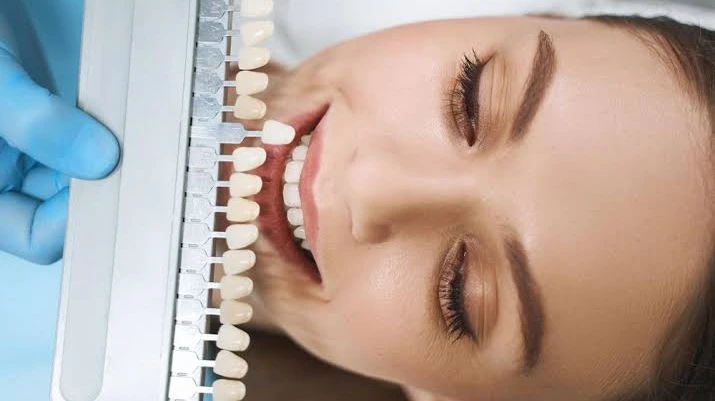
Hydrogen peroxide can effectively brighten many types of yellow teeth by breaking down the coloured compounds responsible for discolouration.
A bright, white smile can make a lasting impression, but yellow or stained teeth can sometimes affect a person's confidence. Everyday habits, including drinking coffee, tea, and soft drinks, as well as smoking and natural ageing, can gradually change tooth colour. Fortunately, several whitening methods can help restore a brighter appearance. Hydrogen Peroxide Teeth Whitening in Dubai is one option that attracts attention because hydrogen peroxide is a commonly used whitening ingredient known for breaking down stains on tooth surfaces and within the enamel. But can it really brighten yellow teeth, and how does it work? Understanding the process, benefits, and safety precautions can help you make an informed decision.
What Is Hydrogen Peroxide Teeth Whitening?
Hydrogen peroxide is a bleaching agent widely used in professional dental whitening treatments and certain over-the-counter whitening products. It works by releasing oxygen molecules that penetrate the tooth structure and react with the coloured compounds responsible for discolouration.
This chemical reaction helps break down stains into smaller, less noticeable particles, making teeth appear brighter.
How Does Hydrogen Peroxide Work on Teeth?
When applied correctly, hydrogen peroxide penetrates the enamel and reaches the underlying dentin. It targets coloured molecules that contribute to yellow or brown discolouration.
The whitening process generally involves:
-
Breaking down surface and deeper stains.
-
Reducing the appearance of yellow discolouration.
-
Improving overall tooth brightness.
-
Creating a more even-looking smile.
The results depend on the concentration, application method, treatment duration, and original tooth colour.
Can Hydrogen Peroxide Brighten Yellow Teeth?
Yes, hydrogen peroxide can help brighten yellow teeth, particularly when the discolouration results from food, beverages, tobacco, or natural ageing. However, not all yellow teeth respond equally to whitening treatments.
Extrinsic stains develop on the outer tooth surface due to everyday habits. Intrinsic stains occur within the tooth structure and may result from certain medications, dental injuries, or developmental conditions.
Hydrogen peroxide is generally more effective against many common stains than against certain deep or complex types of discolouration.
Which Yellow Stains Respond Best?
Hydrogen peroxide may improve tooth colour when yellowing is associated with:
-
Regular coffee and tea consumption.
-
Red wine and dark-coloured beverages.
-
Tobacco use.
-
Age-related enamel changes.
-
Pigmented foods and drinks.
However, whitening may not significantly change the colour of dental crowns, veneers, fillings, or other restorations.
Benefits of Hydrogen Peroxide Teeth Whitening
Hydrogen peroxide offers several potential benefits when used appropriately. Its effectiveness and convenience have made it a popular ingredient in different whitening products.
Helps Remove Stubborn Stains
Unlike ordinary toothpaste, which mainly helps remove surface deposits, hydrogen peroxide can penetrate enamel and break down certain deeper stains. This makes it useful for addressing discolouration that regular brushing cannot completely remove.
Improves Smile Appearance
Yellow teeth can make a smile appear dull. Whitening can reduce noticeable discolouration and create a cleaner, brighter appearance, potentially improving confidence during social and professional interactions.
Offers Different Treatment Options
Hydrogen peroxide is available in different formulations, including whitening strips, gels, and professionally supervised dental treatments. A dental professional can recommend an appropriate option based on individual needs.
Is Hydrogen Peroxide Teeth Whitening Safe?
Hydrogen peroxide can be safe and effective when used according to appropriate dental guidelines. However, using excessive concentrations or applying whitening products incorrectly may damage soft tissues and increase tooth sensitivity.
Common temporary side effects include:
-
Tooth sensitivity to hot and cold foods.
-
Gum irritation.
-
Temporary discomfort.
-
Uneven whitening results.
How Can You Reduce Potential Side Effects?
Following professional instructions is important for protecting your teeth and gums.
Consider these precautions:
-
Consult a dentist before beginning whitening treatment.
-
Choose products designed specifically for dental use.
-
Follow the recommended application time.
-
Avoid increasing the concentration without professional guidance.
-
Stop treatment and seek dental advice if significant irritation develops.
People with untreated cavities, gum disease, exposed roots, or existing dental sensitivity may require treatment before whitening.
What Should You Expect During Professional Whitening?
Professional whitening generally begins with a dental examination to evaluate tooth health and identify the cause of discolouration.
Initial Dental Assessment
The dentist examines the teeth and gums to determine whether whitening is appropriate. Existing restorations, cavities, and enamel concerns are also considered.
Preparation and Application
The gums and surrounding soft tissues are protected before the whitening product is applied. A professionally selected hydrogen peroxide formulation is then used according to the treatment protocol.
Monitoring the Results
The dentist monitors the process to ensure appropriate application and assess the whitening response. Depending on the method and individual requirements, multiple applications or sessions may be recommended.
How Can You Maintain Your Whiter Smile?
Maintaining whitening results requires consistent oral hygiene and healthy daily habits.
-
Brush twice daily using fluoride toothpaste.
-
Floss regularly to remove plaque between teeth.
-
Limit coffee, tea, and other staining beverages.
-
Avoid smoking and tobacco products.
-
Drink water after consuming foods that may stain teeth.
-
Schedule routine dental checkups and professional cleanings.
Using whitening products too frequently is not recommended because excessive treatment may increase sensitivity without providing additional benefits.
Final Thoughts
Hydrogen peroxide can effectively brighten many types of yellow teeth by breaking down the coloured compounds responsible for discolouration. However, the results depend on the underlying cause of staining, tooth condition, and whitening method. Although at-home products offer convenience, professional guidance helps ensure that the treatment is appropriate and safely administered. By combining suitable whitening methods with good oral hygiene and regular dental care, you can maintain a healthier-looking smile and enjoy brighter teeth with greater confidence.

Comments
Login to Comment