Can Mandelic Peel Help Improve the Look of Post Acne Marks?
10 Nov, 2026
4 Views 0 Like(s)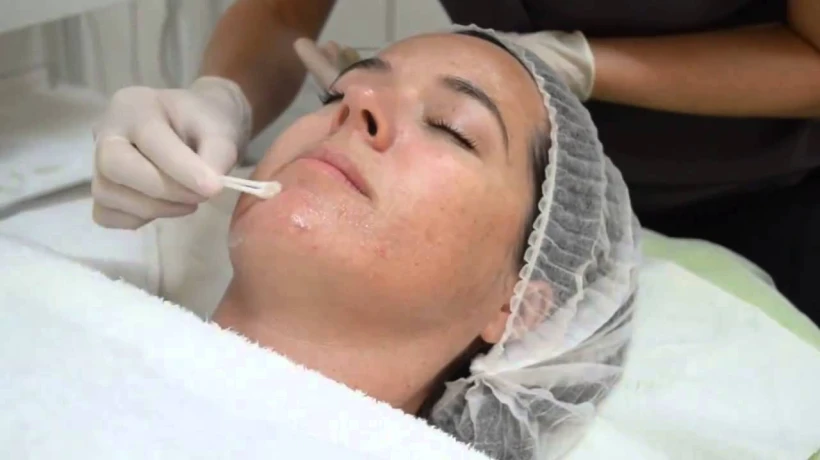
Skin being dark or covered with acne? Book us today at Dynamic Life Clinics for mandelic acid peel treatment in Dubai at affordable rates.
Post-acne marks can remain visible even after active breakouts have settled, leaving the skin looking uneven, discolored, or less radiant. These marks may affect confidence and make achieving a smooth-looking complexion more challenging. For individuals exploring Mandelic Peel in Dubai, understanding how this exfoliating skincare option relates to post-acne discoloration can help clarify its potential benefits. Mandelic acid is commonly associated with gentle exfoliation and skin renewal, making it an option worth exploring for people concerned about lingering blemish marks and uneven skin tone.
Understanding Post-Acne Marks
Post-acne marks are changes in skin color or texture that appear after pimples and other inflammatory blemishes heal. Two common types of discoloration include:
-
Post-inflammatory hyperpigmentation: Flat brown, dark brown, or grayish marks that develop after inflammation.
-
Post-inflammatory erythema: Flat pink, red, or purplish marks that may remain visible after a blemish disappears.
Can Mandelic Peel Address Dark Acne Marks?
Mandelic peels may help improve the appearance of some flat, dark marks left behind by acne. By encouraging the shedding of surface skin cells, exfoliating formulations can support a more even-looking complexion and help reduce the visual prominence of superficial discoloration.
This option may be particularly relevant when post-acne marks appear brown rather than deeply indented or raised. Nevertheless, pigmentation can have several contributing factors, and improvement is not guaranteed.
How Can It Support a More Even Skin Tone?
Uneven skin tone often develops when certain areas appear darker or redder than the surrounding complexion. For people concerned about post-acne discoloration, relevant considerations include:
-
The color and distribution of the marks.
-
Whether the skin is currently experiencing irritation or active breakouts.
-
The presence of sensitivity or other pigmentation concerns.
-
Daily sun exposure and existing skincare habits.
Is Mandelic Peel Suitable for Sensitive Skin?
Mandelic acid is often considered a gentler alpha hydroxy acid because of its relatively large molecular size. However, this does not mean every mandelic peel is appropriate for sensitive skin.
People who experience frequent redness, tightness, dryness, or stinging may be more vulnerable to irritation. Excessive exfoliation can weaken the skin barrier and potentially aggravate discoloration, particularly in individuals prone to post-inflammatory hyperpigmentation.
What About Marks on Different Skin Types?
Different skin types can respond differently to exfoliating skincare products. Oily skin may also experience clogged pores, while dry skin can be more vulnerable to irritation. Combination skin may have both concerns in different areas of the face.
Skin tone is another important consideration. Medium, deep, and darker skin tones can be more susceptible to persistent post-inflammatory hyperpigmentation following irritation or inflammation.
Can Mandelic Peel Help With Acne Scars?
It is important to distinguish discoloration from structural acne scarring. Flat marks generally involve changes in pigmentation or redness, whereas acne scars can include depressions, pits, or raised areas.
People whose main concern is uneven skin color may have different skincare needs from those concerned about visible indentations. Recognizing this difference helps establish realistic expectations and prevents confusion between two distinct post-acne concerns.
Which Skincare Habits Complement Acne Mark Care?
Consistent skincare habits can support the appearance and comfort of skin affected by post-acne marks. A routine should prioritize skin-barrier health rather than relying exclusively on exfoliating products. Helpful habits include:
-
Daily sun protection: Broad-spectrum sunscreen helps limit UV-related darkening of existing pigmentation.
-
Gentle cleansing: Mild cleansers can remove impurities without unnecessary stripping.
-
Regular moisturization: Moisturizers help maintain hydration and support the skin barrier.
-
Avoiding picking: Squeezing or scratching blemishes can increase inflammation and the likelihood of additional marks.
-
Careful product selection: Introducing several strong active ingredients together may increase irritation.
What Should You Consider Before Choosing a Peel?
Before considering an exfoliating peel, it is helpful to identify the main concern. Brown discoloration, lingering redness, active acne, and textured scars may look similar at first glance but can require different approaches.
Existing skin irritation, eczema-prone areas, sensitivity to exfoliating acids, and a history of pigmentation following inflammation should also be considered. Using multiple exfoliating products without assessing their combined effects may increase the likelihood of dryness and irritation.
Final Thoughts
Mandelic peels may be a useful option for improving the appearance of certain post-acne marks, particularly superficial discoloration and uneven-looking skin tone. Their relatively gentle exfoliating characteristics make mandelic acid worth considering for some individuals, although suitability depends on skin sensitivity, pigmentation type, and formulation strength. It is equally important to understand the difference between flat acne marks and structural scars.


Comments
Login to Comment