IV Drip Experiences: What Can Patients Expect From a Clinic?
18 Sep, 2026
5 Views 0 Like(s)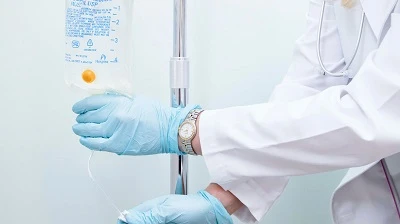
Discover the benefits of IV drip therapy for hydration, wellness, and recovery. Explore personalized IV treatments designed to support your health and energy.
Intravenous (IV) drip therapy has become increasingly popular among people seeking convenient hydration, nutrient support, and wellness-focused treatments. Unlike oral supplements, an IV drip delivers fluids and selected nutrients directly into the bloodstream through a vein. This can make the process relatively efficient, but it is still a medical procedure that should be approached with care and performed by appropriately trained healthcare professionals.
For people researching the Best IV Drip in Muscat, understanding what actually happens during an IV therapy appointment can be more useful than simply comparing treatment menus. A good experience involves more than the drip itself. Patient assessment, appropriate treatment selection, hygiene, monitoring, aftercare, and clear communication all play important roles.
Whether someone is considering IV therapy for hydration after travel, support during a demanding schedule, or a wellness-oriented treatment, knowing what to expect can make the appointment more comfortable and informed.
What Is IV Drip Therapy?
IV drip therapy involves administering fluids through a small catheter placed into a vein, usually in the arm or hand. Depending on the treatment plan, the fluid may contain electrolytes, vitamins, minerals, or other ingredients selected according to the purpose of the treatment.
The exact formulation can vary considerably. Some IV treatments are primarily designed for hydration, while others may be marketed around wellness, nutritional support, recovery, or specific health goals.
One important point is that IV therapy is not automatically better than drinking fluids or taking nutrients orally. Its usefulness depends on the individual's health, nutritional needs, hydration status, and the reason for treatment.
A responsible clinic should therefore avoid treating every patient with the same formula. Instead, the treatment should begin with an appropriate assessment and consideration of medical history, current symptoms, medications, allergies, and relevant health conditions.
What Happens During an IV Drip Appointment?
A typical IV drip experience usually begins before the needle is inserted. The healthcare professional may ask about the patient's general health, current concerns, medications, allergies, previous IV experiences, and any relevant medical conditions.
This assessment helps determine whether IV therapy is appropriate and whether any modifications are necessary.
Once the treatment is considered suitable, the patient is generally seated or reclined comfortably. The healthcare professional cleans the selected injection area before inserting a small catheter into the vein. The catheter is connected to the IV line, allowing the fluid to enter gradually.
Patients may notice a brief pinching or stinging sensation when the needle is inserted. Once the catheter is positioned correctly, the discomfort usually decreases.
During the infusion, patients can generally sit back, relax, read, use their phone, or simply rest. The healthcare professional should remain available to monitor the patient and respond if discomfort or unusual symptoms develop.
The duration can vary depending on the formulation, volume of fluid, infusion rate, and individual circumstances. Patients should not assume that a longer treatment is necessarily more effective. The appropriate duration should be determined according to the treatment plan.
Choosing the Best IV Drip in Muscat: What Should Patients Look For?
Searching for the Best IV Drip in Muscat should involve more than looking at promotional claims or the number of ingredients included in an IV formula. Quality and safety should be central to the decision.
A reputable IV therapy service should provide a professional clinical environment and use appropriate infection-control procedures. Patients can reasonably expect healthcare staff to explain the treatment, answer questions, discuss possible risks, and obtain relevant medical information before starting.
It is also useful to ask what ingredients are included in the infusion and why they have been recommended. Patients should be comfortable asking about the purpose of each component rather than accepting a treatment simply because it has a popular name.
Another important consideration is whether the service recognizes situations in which IV therapy may not be appropriate. A trustworthy healthcare provider should be willing to postpone or decline treatment when a patient's medical circumstances indicate that another approach would be safer.
Patients may also want to consider:
- Whether qualified healthcare professionals administer the IV
- How patient assessments are conducted
- Whether sterile equipment and appropriate hygiene procedures are used
- How the patient is monitored during treatment
- Whether the ingredients and purpose of the IV are clearly explained
- What aftercare guidance is provided
- How complications or adverse reactions are handled
These factors can provide a much better indication of quality than marketing language alone.
Benefits and Limitations of IV Drip Therapy
IV therapy can be useful in certain clinical situations because fluids and medications can be administered directly into the bloodstream. Medical professionals commonly use intravenous therapy when rapid fluid or medication delivery is necessary or when a person cannot adequately take something by mouth.
Wellness-oriented IV treatments may focus on hydration or nutritional support. However, patients should maintain realistic expectations. Claims that an IV drip can universally detoxify the body, dramatically improve energy, prevent illness, or replace a balanced diet are not necessarily supported by strong evidence.
For a generally healthy person who can drink normally and has no nutritional deficiency, oral hydration and a balanced diet may often be sufficient.
There are also potential risks. IV insertion can sometimes cause bruising, discomfort, irritation, inflammation, or infection. Inappropriate fluid administration may also create problems for people with certain medical conditions, including some heart or kidney disorders.
This is why professional assessment matters. The safest approach is individualized treatment rather than assuming that an IV drip is suitable for everyone.
What Can Patients Expect After the Treatment?
After the infusion is complete, the healthcare professional usually removes the IV catheter and applies a small dressing to the insertion site. Patients may be advised to remain seated briefly before leaving, particularly if they feel lightheaded.
Some people feel fine immediately after treatment, while others may notice temporary fatigue, mild discomfort at the insertion site, or other short-lived sensations. The experience can vary from person to person.
Patients should follow any individualized aftercare instructions provided by the healthcare professional. Staying appropriately hydrated, eating regular nutritious meals, and allowing adequate rest can support general wellbeing.
If significant pain, swelling, redness, difficulty breathing, severe dizziness, or another concerning symptom occurs after treatment, medical advice should be sought promptly.
It is also important to remember that an IV drip should not be considered a substitute for proper diagnosis or treatment when someone has an underlying medical problem. Persistent fatigue, dehydration, weakness, dizziness, or other symptoms deserve appropriate medical evaluation rather than repeated wellness treatments without identifying the cause.
How to Prepare for an IV Drip Session
Preparation is generally straightforward, but patients can take a few practical steps to make the experience easier.
Wearing comfortable clothing that allows easy access to the arm can be helpful. Patients should also tell the healthcare professional about prescription medicines, over-the-counter medicines, supplements, allergies, and relevant medical conditions.
Anyone who is pregnant, has a history of significant heart or kidney problems, has experienced reactions to IV treatments, or has another important medical concern should discuss this before treatment.
It can also be helpful to have a light meal beforehand if the healthcare provider does not advise otherwise. Arriving adequately hydrated may make vein access easier, although the appropriate approach depends on the reason for receiving IV therapy.
Most importantly, patients should feel comfortable asking questions. A good clinical experience should involve informed communication rather than pressure to purchase additional treatments.
Safety and Professional Care Matter Most
IV drip therapy may appear simple, but it involves accessing a vein and introducing substances directly into the bloodstream. That makes appropriate clinical practice especially important.
A professional provider should use sterile equipment, follow infection-prevention procedures, verify the treatment being administered, and monitor the patient appropriately. The staff should also have a clear process for dealing with complications or unexpected reactions.
Patients should be cautious about services that make exaggerated promises, offer identical treatment plans to everyone, or do not ask about medical history. The quality of the assessment and clinical oversight can be more important than the number of ingredients advertised in a drip.
For anyone researching the Best IV Drip in Muscat, the best choice is therefore not necessarily the treatment with the longest ingredient list or the most impressive marketing claims. A more sensible approach is to look for professional assessment, transparent information, qualified staff, appropriate hygiene, individualized recommendations, and responsible follow-up.
FAQs
1. What is an IV drip used for?
An IV drip can deliver fluids, electrolytes, medications, vitamins, or other medically appropriate substances directly into a vein. The purpose depends on the patient's health needs and the formulation being administered. IV therapy should be selected based on individual circumstances rather than used automatically.
2. Is IV drip therapy safe for everyone?
No. Although IV therapy can be appropriate for many people in the right circumstances, it may not be suitable for everyone. Certain medical conditions, medications, allergies, or other factors can affect whether treatment is appropriate. A healthcare professional should assess the patient before an infusion.
3. How long does an IV drip session take?
The duration varies depending on the type and volume of infusion, the infusion rate, and the patient's individual situation. A healthcare professional can provide a more accurate estimate after reviewing the selected treatment.
4. Does an IV drip replace drinking water and eating a balanced diet?
Generally, no. IV therapy should not be viewed as a replacement for normal hydration, nutritious food, or appropriate medical care. For many healthy people, regular fluids and a balanced diet provide the hydration and nutrients the body needs.
5. What should patients consider when looking for the Best IV Drip in Muscat?
Patients should consider clinical qualifications, hygiene standards, pre-treatment assessment, transparency about ingredients, monitoring during treatment, aftercare, and the provider's approach to safety. A personalized treatment plan is generally more reassuring than a one-size-fits-all approach.
6. Can patients experience side effects from an IV drip?
Some people may experience temporary discomfort, bruising, irritation, or swelling around the insertion site. Other reactions are possible depending on the ingredients and the individual's health. Any unusual or severe symptoms should be reported to the healthcare professional and assessed promptly.
Read More About IV Drip: https://comunidad.espoesia.com/enfieldclinicoman/iv-drip-therapy-what-influences-your-treatment-experience/
Comments
Login to Comment