Burning Mouth Syndrome and Diabetes: Causes, Symptoms
05 Nov, 2026
89Views 0 Like(s)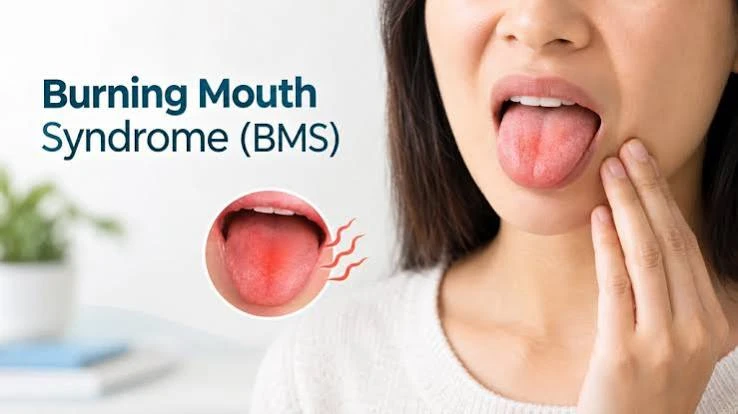
Burning mouth syndrome and diabetes can be associated through several overlapping oral health problems, including dry mouth, fungal infections.
Burning mouth syndrome and diabetes can be connected through several changes that affect oral health, saliva production, and nerve function. People living with diabetes may experience persistent burning sensations on their tongue, lips, gums, or other areas inside the mouth. These symptoms can interfere with eating, drinking, speaking, and everyday activities.
Although diabetes does not cause every case of burning mouth syndrome (BMS), it can contribute to conditions that produce similar discomfort. High blood glucose, dry mouth, oral infections, and diabetic neuropathy are possible factors.
Understanding this relationship helps patients recognise potential warning signs and seek appropriate medical attention. Early assessment can identify the underlying cause and guide effective treatment. This article explores the possible connection, common symptoms, contributing factors, diagnostic methods, and practical ways to support oral health.
What Is Burning Mouth Syndrome?
Burning mouth syndrome is a chronic oral pain condition characterised by a burning, scalding, tingling, or painful sensation inside the mouth. It commonly affects the tongue but may also involve the lips, gums, palate, and inner cheeks.
Some people describe the feeling as drinking a hot beverage that has burned their tongue. Others experience numbness, unusual taste sensations, or persistent dryness.
One important feature of primary BMS is that the mouth may appear completely normal during a physical examination. Nevertheless, the discomfort can continue for months and sometimes become more noticeable throughout the day.
Healthcare professionals generally distinguish between two forms:
Primary burning mouth syndrome: This form has no identifiable local or systemic cause. Researchers believe changes in the nerves responsible for pain and taste may contribute to the condition.
Secondary burning mouth syndrome: This occurs when another medical or oral health problem causes the burning sensation. Diabetes, nutritional deficiencies, fungal infections, dry mouth, and certain medications may contribute.
This distinction matters because treatment depends on identifying whether an underlying condition is responsible.
How Are Burning Mouth Syndrome and Diabetes Connected?
Diabetes affects how the body regulates blood glucose. When glucose levels remain elevated, different tissues and organs can experience damage, including structures involved in maintaining oral health.
The relationship between diabetes and oral burning is multifactorial. Rather than assuming that high blood sugar directly causes BMS, healthcare professionals consider several possible pathways.
Three important connections include reduced saliva production, increased susceptibility to oral infections, and damage to sensory nerves.
People with poorly controlled diabetes may experience more oral complications. However, individuals with well-managed blood glucose can also develop burning sensations for unrelated reasons.
Therefore, persistent symptoms should be investigated instead of automatically being attributed to diabetes.
1. High Blood Sugar and Oral Discomfort
Elevated blood glucose can affect the mouth in several ways. Diabetes may alter fluid balance, increase the risk of dehydration, and contribute to reduced salivary production.
Saliva plays an essential role in protecting oral tissues. It lubricates the tongue, helps people swallow, washes away food particles, and maintains a balanced environment inside the mouth.
When saliva becomes insufficient, the tongue and surrounding tissues may feel uncomfortable or irritated.
Some people experience a burning sensation after eating, while others notice soreness throughout the day.
Poor glucose control may also increase the likelihood of gum inflammation, delayed healing, and oral infections. These problems can create additional sources of discomfort.
Maintaining appropriate blood glucose levels is therefore an important part of supporting overall oral health.
2. Dry Mouth and Reduced Saliva Production
Dry mouth, medically known as xerostomia, is one of the important factors connecting diabetes with oral burning.
People with diabetes may experience persistent thirst and dehydration, particularly when blood glucose levels are elevated. Frequent urination can contribute to fluid loss, making dryness more noticeable.
A lack of adequate saliva can produce several symptoms:
-
Sticky or uncomfortable feelings inside the mouth.
-
A rough, dry, or sensitive tongue.
-
Difficulty chewing and swallowing.
-
Cracked lips and irritated oral tissues.
-
Increased sensitivity to spicy or acidic foods.
-
Bad breath and changes in taste.
Saliva also helps control microorganisms naturally present in the mouth. When its protective functions decrease, the risk of dental decay and fungal infections may increase.
Dry mouth does not automatically mean someone has BMS. However, persistent dryness can cause burning sensations that resemble the syndrome.
3. Diabetic Neuropathy and Nerve Sensitivity
Another possible connection involves diabetic neuropathy.
Neuropathy develops when prolonged high blood glucose contributes to nerve damage. Although it commonly affects the feet and hands, diabetes can also influence nerves involved in sensation elsewhere in the body.
Burning mouth symptoms may involve changes in the sensory nerves responsible for detecting pain, temperature, and taste.
When these nerves become irritated or function abnormally, ordinary sensations may feel unusually painful.
For example, drinking water, eating soft food, or touching the tongue against the teeth may produce discomfort.
Researchers recognise neuropathic mechanisms as important in primary BMS. However, the exact relationship between diabetic nerve damage and oral burning is still being investigated.
Not everyone with diabetic neuropathy develops burning mouth symptoms, and not everyone with BMS has diabetes.
4. Oral Thrush and Fungal Infections
Diabetes can increase susceptibility to certain oral infections, particularly when blood glucose is poorly controlled.
Oral thrush, also called oral candidiasis, is a fungal infection caused by Candida yeast. It may develop when changes in the oral environment allow yeast to multiply excessively.
Common symptoms include:
-
White patches on the tongue or inner cheeks.
-
Redness and soreness inside the mouth.
-
Burning sensations when eating.
-
An unpleasant or altered taste.
-
Cracking at the corners of the lips.
-
Discomfort while swallowing in some cases.
Unlike primary BMS, oral thrush often produces visible changes that a dentist can identify during an examination.
A healthcare professional may recommend an antifungal treatment after confirming the diagnosis.
Using mouth rinses or home remedies without identifying the infection may delay appropriate treatment.
Common Symptoms of Burning Mouth Syndrome in People With Diabetes
The symptoms can vary between individuals. Some people experience mild irritation, while others report persistent pain that affects their daily routine.
Common symptoms include:
Burning tongue: A hot, stinging, or scalding sensation affecting the front, sides, or surface of the tongue.
Dry mouth: A persistent feeling of insufficient moisture, sometimes accompanied by difficulty swallowing.
Altered taste: Food may taste metallic, bitter, salty, or unusually unpleasant.
Tingling sensations: Some individuals experience pins-and-needles feelings or unusual sensitivity.
Lip discomfort: Burning, tenderness, or irritation may affect the upper or lower lips.
Changes throughout the day: Symptoms may be relatively mild in the morning and become stronger as the day progresses.
Increased food sensitivity: Acidic, spicy, salty, or hot foods may intensify discomfort.
A person may experience one symptom or several together. The presence of these symptoms does not confirm diabetes or BMS. A proper examination is necessary.
Can Burning Mouth Syndrome Be an Early Sign of Diabetes?
Sometimes, oral symptoms appear before someone receives a diabetes diagnosis. Persistent dry mouth, recurrent fungal infections, gum problems, and unexplained oral discomfort may encourage further investigation.
However, burning mouth alone is not a reliable diagnostic sign of diabetes.
Other symptoms that may suggest elevated blood glucose include:
-
Increased thirst.
-
Frequent urination.
-
Unusual tiredness.
-
Increased hunger.
-
Blurred vision.
-
Slow-healing wounds.
-
Unexplained weight changes.
When these symptoms occur alongside persistent oral discomfort, discussing blood glucose testing with a healthcare professional is sensible.
A fasting plasma glucose test or HbA1c test may help assess blood glucose levels. The appropriate test depends on individual circumstances.
An oral examination and medical assessment can help determine whether the symptoms are related to diabetes or another condition.
Other Possible Causes of Burning Mouth Symptoms
Diabetes is only one possible contributor. Several unrelated conditions can produce similar sensations, making a careful assessment important.
Nutritional deficiencies: Low levels of vitamin B12, folate, iron, or zinc may contribute to tongue soreness and oral discomfort.
Hormonal changes: Menopause and other hormonal changes may influence oral sensitivity.
Thyroid disorders: Abnormal thyroid function can sometimes be associated with symptoms resembling BMS.
Acid reflux: Stomach acid entering the throat or mouth may irritate oral tissues.
Medication side effects: Certain medicines, including some antidepressants and blood pressure treatments, can contribute to dry mouth.
Dental irritation: Poorly fitting dentures, rough dental surfaces, and sensitivity to oral care ingredients may cause discomfort.
Stress and anxiety: Emotional stress can worsen the experience of chronic pain, although it should not be assumed to explain every symptom.
Identifying these possibilities helps prevent incorrect self-diagnosis.
How Is Burning Mouth Syndrome Diagnosed?
There is no single test that confirms every case of BMS. Diagnosis generally involves reviewing symptoms, examining the mouth, and investigating potential underlying conditions.
A dentist or physician may ask:
-
When did the burning sensation begin?
-
Does it affect the tongue, lips, or entire mouth?
-
Is the discomfort constant or intermittent?
-
Does eating or drinking make it worse?
-
Do you have diabetes or another medical condition?
-
Which prescription medicines and supplements do you use?
Depending on the findings, additional investigations may include:
Blood glucose testing: Fasting glucose and HbA1c testing can help identify diabetes or assess existing glucose control.
Blood tests: These may evaluate iron, vitamin B12, folate, thyroid function, and other possible causes.
Oral swab: A sample may help identify Candida or another infection.
Saliva assessment: Testing salivary flow can help investigate persistent dryness.
Dental examination: The dentist checks for gum disease, irritation, damaged teeth, and poorly fitting dental appliances.
A diagnosis is usually made after other identifiable causes have been considered or excluded.
Treatment Options for Burning Mouth Syndrome and Diabetes
Treatment depends on the underlying cause. When diabetes contributes to oral discomfort, managing blood glucose and treating associated oral problems are important priorities.
Improve Blood Glucose Management
People with diabetes should follow their prescribed treatment plan and attend regular medical reviews.
Depending on individual needs, management may involve medication, insulin, dietary adjustments, physical activity, and glucose monitoring.
Better glucose control can help reduce the risk of several diabetes-related oral complications. However, it does not guarantee that every burning sensation will disappear.
Patients should never change diabetes medication without discussing it with their healthcare professional.
Treat Dry Mouth
Managing dry mouth can make everyday activities more comfortable.
Helpful measures include:
-
Drinking water regularly throughout the day.
-
Using sugar-free chewing gum when appropriate.
-
Choosing alcohol-free mouthwash.
-
Avoiding tobacco products.
-
Limiting excessive caffeine.
-
Asking a dentist about saliva substitutes.
Sugar-free products are particularly useful because frequent exposure to sugary drinks and sweets can increase dental problems.
Address Oral Infections
If examination confirms oral thrush, a clinician may prescribe an appropriate antifungal medicine.
Treatment should follow the recommended instructions. Maintaining oral hygiene and improving glucose management may also help reduce the risk of recurring infections.
Manage Neuropathic Pain
When nerve-related pain is suspected, a specialist may consider treatments used for neuropathic discomfort.
Depending on the diagnosis, options may include selected medicines, topical treatments, or other approaches to pain management.
For primary BMS, treatment can be more challenging because there is no universally effective cure. Symptom management is often individualised.
Everyday Oral Care and Dietary Habits
Daily habits can support oral comfort, especially for people managing diabetes.
Brush twice daily using a soft-bristled toothbrush and fluoride toothpaste. Clean between the teeth regularly and arrange routine dental examinations.
Avoid products that irritate the mouth. Strongly flavoured toothpaste, alcohol-containing rinses, and certain whitening products may aggravate sensitivity in some individuals.
Choose balanced meals containing vegetables, whole grains, suitable protein sources, and foods that support general nutritional health.
People with diabetes should follow their individual dietary recommendations rather than adopting restrictive diets without professional guidance.
If spicy, acidic, or very hot foods trigger discomfort, temporarily reducing these foods may improve comfort.
Keep a symptom diary to identify possible triggers, medication changes, and patterns throughout the day.
Natural Ways to Support Oral Comfort
A Natural Treatment for Burning Mouth Syndrome should focus on gentle oral care and identifying the underlying cause rather than promising a permanent cure.
Some practical measures may help relieve mild discomfort. Drinking water regularly, avoiding irritating foods, and using sugar-free products can support moisture and comfort.
Cool water may temporarily soothe irritated tissues. A dentist may also recommend suitable saliva substitutes or gentle oral rinses.
However, natural approaches cannot replace medical treatment for diabetes, oral candidiasis, nutritional deficiencies, or neuropathy.
People with diabetes should be especially cautious about herbal preparations and supplements. Some ingredients can affect blood glucose or interact with prescription medicines.
Discuss any supplement with a qualified healthcare professional before using it. Avoid applying concentrated essential oils, acidic liquids, or irritating homemade mixtures directly to the tongue.
The Role of Professional Oral Health Products
Suitable oral hygiene products can support daily comfort when someone experiences dryness, sensitivity, or irritation.
Herbal Care Products may be considered as part of a broader personal oral care routine, provided the selected products are appropriate for the individual's needs and do not contain ingredients that trigger irritation.
People should examine product labels carefully, particularly when they have diabetes or ongoing oral symptoms. Sugar content, alcohol, strong flavouring agents, and potential allergens deserve attention.
It is important to distinguish supportive personal care from medical treatment. No herbal product should be presented as a proven cure for diabetic neuropathy, uncontrolled blood glucose, or primary BMS.
A dentist or pharmacist can help assess whether a particular oral care product is suitable.
When Should You See a Doctor or Dentist?
Persistent oral burning deserves professional assessment, especially when it affects eating, drinking, sleeping, or speaking.
Arrange an appointment if symptoms continue, repeatedly return, or become progressively worse.
Seek prompt dental or medical attention for unexplained mouth sores, white patches, bleeding, swelling, or difficulty swallowing.
People with diabetes should not ignore recurring oral infections or signs of poor healing.
Seek urgent medical care if mouth or throat swelling causes breathing difficulty or if severe dehydration or other serious symptoms develop.
Early assessment helps identify treatable causes and prevents avoidable complications.
Frequently Asked Questions
1. Does diabetes cause burning mouth syndrome?
Diabetes may contribute to burning mouth symptoms through dry mouth, oral infections, and nerve damage. However, not every person with diabetes develops BMS, and other causes must be considered.
2. Can high blood sugar make the tongue burn?
Yes. Elevated blood glucose can contribute to dehydration, reduced saliva, and oral infections. These problems may produce tongue irritation or burning sensations.
3. Is burning mouth syndrome a sign of diabetic neuropathy?
It may involve nerve-related changes, but burning mouth alone cannot establish diabetic neuropathy. A medical assessment is needed to identify the cause.
4. Can better diabetes control improve mouth symptoms?
Improved glucose management may reduce certain diabetes-related oral complications. The effect on burning symptoms depends on whether elevated glucose is contributing to the problem.
5. Does burning mouth syndrome go away?
Secondary symptoms may improve when the underlying cause is successfully treated. Primary BMS can persist and may require individualised long-term symptom management.
6. Which specialist treats burning mouth syndrome?
A dentist, oral medicine specialist, or physician can begin the assessment. An endocrinologist may also be involved when diabetes management needs attention.
Conclusion
Burning mouth syndrome and diabetes can be associated through several overlapping oral health problems, including dry mouth, fungal infections, and possible nerve-related changes. However, the presence of burning sensations does not automatically indicate diabetes or confirm BMS.
Recognising symptoms, maintaining appropriate blood glucose control, practising gentle oral hygiene, and attending regular dental appointments can support better oral health.
Most importantly, persistent discomfort should receive a proper diagnosis. Identifying the underlying cause allows patients and healthcare professionals to select suitable treatments and develop a practical approach to long-term symptom management.



Comments
Login to Comment