Can laser treatments improve overall skin texture?
11 Nov, 2026
10Views 0 Like(s)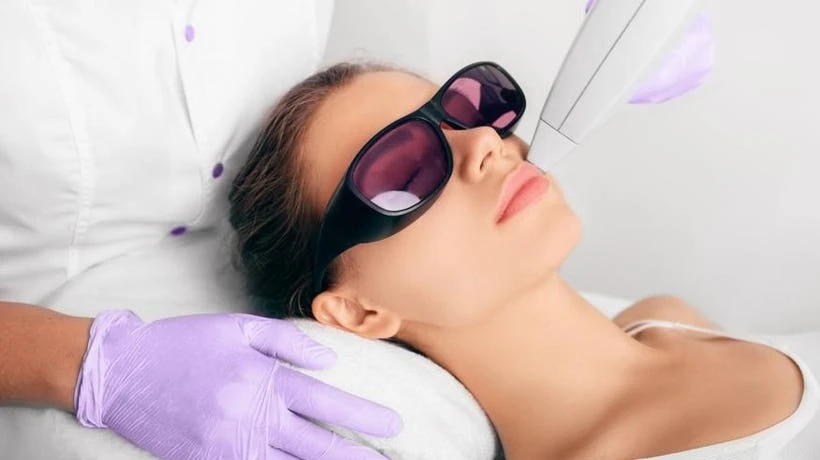
Discover how laser treatments improve skin texture by addressing acne scars, enlarged pores, wrinkles, roughness, and uneven skin tone.
Laser treatments are widely used to improve overall skin texture and address concerns such as acne scars, enlarged pores, roughness, fine lines, and uneven skin tone. Modern laser technologies work by targeting specific skin layers and stimulating natural renewal processes, including collagen production. Depending on individual skin conditions and treatment goals, suitable علاجات الليزر في دبي can help patients achieve smoother, healthier-looking skin.
How Do Laser Treatments Improve Skin Texture?
Laser treatments use concentrated light energy to target specific structures within the skin. Depending on the technology, they can remove damaged outer skin cells, stimulate collagen production, or encourage natural skin renewal.
Collagen is an important protein that supports skin firmness and structure. As collagen production decreases with age, the skin may develop fine lines, uneven texture, and reduced elasticity.
Certain laser procedures stimulate collagen production, helping improve the appearance of these concerns over time.
What Skin Texture Problems Can Laser Treatments Address?
Different laser technologies can help improve several common skin texture concerns.
Acne Scars:
Acne scars can create uneven skin surfaces, depressions, and visible irregularities.
Fractional laser treatments, including fractional CO2 lasers, create controlled microscopic treatment zones that stimulate collagen production and skin remodelling.
These procedures may improve the appearance of:
-
Depressed acne scars.
-
Uneven skin surfaces.
-
Certain types of rolling scars.
-
Rough post-acne texture.
The results depend on scar depth, type, and individual skin characteristics. Complete scar removal is not guaranteed.
Enlarged Pores:
Enlarged pores can make the skin appear uneven or rough. They may become more noticeable because of excess oil production, ageing, and reduced skin elasticity.
Certain laser resurfacing procedures stimulate collagen production and improve surrounding skin texture. This can make pores appear less noticeable.
However, laser treatments cannot permanently eliminate pores.
Fine Lines and Wrinkles:
Fine lines and wrinkles can affect the smoothness of facial skin, particularly around the eyes, forehead, and mouth.
Laser resurfacing and rejuvenation treatments can encourage collagen production and improve the appearance of these concerns.
Over time, patients may notice smoother-looking skin and improved texture.
Rough and Dull Skin:
Environmental exposure, ageing, and accumulated dead skin cells can contribute to rough and dull skin.
Selected laser resurfacing procedures remove damaged surface cells or stimulate deeper skin renewal.
This may help improve skin smoothness, brightness, and overall appearance.
Uneven Skin Tone and Pigmentation:
Pigmentation concerns can make the skin appear irregular and uneven.
Certain pigment-targeting lasers can address selected dark spots, sun damage, and post-inflammatory pigmentation.
Treatment must be selected carefully because some pigmentation conditions, particularly melasma, may worsen following inappropriate laser procedures.
Which Laser Treatments Are Best for Improving Skin Texture?
The most appropriate laser depends on the specific concern and the patient's skin type.
Fractional CO2 Laser:
Fractional CO2 laser treatment is commonly used for deeper acne scars, wrinkles, and uneven skin texture.
It stimulates collagen production by creating controlled microscopic treatment areas. It can produce noticeable improvements but generally requires more recovery time than non-ablative procedures.
Erbium Laser:
Erbium laser resurfacing can improve superficial skin irregularities, fine lines, and certain scars.
It removes controlled portions of the outer skin and encourages smoother skin renewal.
Non-Ablative Fractional Laser:
Non-ablative fractional lasers target deeper skin layers without removing the entire outer surface.
They can help improve mild acne scars, fine lines, and uneven texture while generally involving less downtime than ablative resurfacing.
How Many Laser Sessions Are Needed to Improve Skin Texture?
The number of sessions depends on the treatment technology, severity of the skin concern, and individual response.
Some patients may notice improvements after an initial procedure, while others require multiple sessions to achieve their desired results.
Collagen production and skin remodelling occur gradually, so improvements may continue developing after treatment.
A dermatologist can recommend an appropriate schedule following a skin assessment.
What Should Patients Expect During Recovery?
Recovery depends on the laser technology and treatment intensity.
After treatment, patients may experience:
-
Temporary redness.
-
Mild swelling.
-
Skin sensitivity.
-
Dryness or peeling.
-
Temporary skin tightness.
Patients should follow professional aftercare instructions, use recommended moisturizers, protect their skin from sunlight, and avoid harsh skincare products until healing is complete.
More intensive resurfacing procedures may require additional recovery time.
Are Laser Treatments Suitable for Every Skin Type?
Many laser technologies can be adapted to different skin tones, but treatment selection requires careful evaluation.
Darker skin tones may have a higher risk of pigmentation changes following certain procedures. Sensitive skin may also require modified settings or alternative treatments.
A qualified dermatologist should assess skin type, medical history, and previous reactions before recommending laser treatment.
Frequently Asked Questions:
Can laser treatments make skin smoother?
Yes. Certain laser procedures stimulate collagen production and encourage skin renewal, helping improve roughness, acne scars, and uneven texture.
Can laser treatments reduce enlarged pores?
Some resurfacing treatments can make enlarged pores appear less noticeable by improving surrounding skin texture and collagen support.
Are laser treatments effective for acne scars?
Yes. Fractional CO2 and other resurfacing lasers can improve the appearance of certain acne scars.
How long does it take to see smoother skin after laser treatment?
Some improvements may appear after initial healing, while collagen-related changes can develop gradually over several weeks or months.
Can laser treatments improve skin texture around the eyes?
Selected laser procedures may improve fine lines and superficial texture around the eyes. Treatment requires particular care because this is a sensitive area.
Do laser treatments permanently improve skin texture?
Results can be long-lasting, but natural ageing, sun exposure, and other skin changes continue over time. Maintenance treatments may be recommended in some cases.
Can laser treatments be combined with other skincare procedures?
Yes. Certain treatments may be combined with other procedures, but timing and suitability should be determined by a qualified dermatologist.
Conclusion:
Laser treatments can improve overall skin texture by addressing acne scars, enlarged pores, fine lines, roughness, and selected pigmentation concerns. Technologies such as fractional CO2, erbium, and non-ablative fractional lasers offer different approaches to skin renewal and collagen stimulation. Selecting the right procedure requires professional assessment, realistic expectations, and appropriate aftercare to support smoother and healthier-looking skin.

Comments
Login to Comment